
Treatment Overview
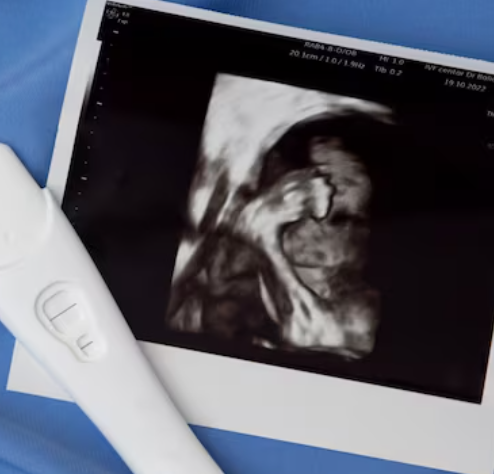
The Amniotic Fluid & Placental Doppler Assessment Ultrasound is one of the most essential diagnostic tools in modern prenatal medicine. It provides real-time insight into the baby’s environment and the placenta’s ability to deliver nutrients and oxygen.
In Korea, maternal-fetal medicine specialists utilize highly advanced ultrasound and Doppler technologies to evaluate the amniotic fluid volume, placental structure, and blood flow between the mother and fetus. This comprehensive scan plays a crucial role in identifying potential complications such as growth restriction, preeclampsia, placental insufficiency, or abnormal fetal well-being.
Korean hospitals are internationally recognized for their precision imaging systems, AI-enhanced diagnostics, and integrated maternal care — ensuring accurate, safe, and detailed fetal assessment throughout pregnancy.
Purpose & Benefits
Purpose:
- To measure amniotic fluid volume (AFI or MVP) for detecting oligohydramnios (low fluid) or polyhydramnios (excess fluid).
- To assess placental function and blood flow using Doppler ultrasound.
- To monitor fetal oxygenation and nutrient delivery.
- To detect early signs of placental aging or insufficiency that may affect fetal growth.
- To evaluate maternal-fetal circulation in high-risk pregnancies.
Benefits:
- Early problem detection: Identifies issues before they cause fetal distress.
- Accurate pregnancy monitoring: Especially useful in hypertensive or diabetic pregnancies.
- Non-invasive and safe: Uses sound waves without radiation.
- Supports optimal delivery planning: Provides key data on when and how to deliver safely.
- Enhances outcomes: Prevents complications such as preterm birth, stillbirth, or fetal growth restriction through timely intervention.
Ideal Candidates
This ultrasound is recommended for both routine and high-risk pregnancies, particularly for women who:
- Have hypertension, preeclampsia, or diabetes.
- Are carrying twins or multiple fetuses.
- Have placental abnormalities such as previa or accreta.
- Experience fetal growth restriction (FGR) or inconsistent fetal movement.
- Have history of preterm birth or stillbirth.
- Are undergoing IVF or assisted reproduction.
- Show abnormal results in previous ultrasounds or blood flow studies.
Possible Risks & Considerations
- The procedure is completely safe and painless, with no radiation or harmful exposure.
- Results depend on fetal position, amniotic fluid clarity, and gestational age.
- Doppler ultrasound should be performed by certified specialists to ensure accuracy and appropriate power levels.
- Interpretation requires medical expertise; improper readings can lead to unnecessary concern.
In Korea, strict safety protocols and advanced technology ensure high accuracy and patient comfort throughout the procedure.
Medical & Diagnostic Techniques Used in Korea
Korean hospitals employ the latest ultrasound and Doppler systems, integrating real-time analysis and high-definition imaging for detailed evaluation:
- Amniotic Fluid Index (AFI): Measures fluid depth in four uterine quadrants to assess hydration and fetal well-being.
- Maximum Vertical Pocket (MVP): Single-depth measurement used in multiple or preterm pregnancies for precise fluid estimation.
- Placental Doppler Flow Studies: Evaluates blood flow through the uterine arteries, umbilical artery, middle cerebral artery, and ductus venosus.
- Color & Power Doppler Imaging: Visualizes and quantifies maternal and fetal circulation patterns.
- 3D/4D Doppler Ultrasound: Provides dynamic real-time flow mapping of placental vessels and fetal heart function.
- AI-Assisted Blood Flow Analysis: Advanced Korean systems use artificial intelligence to automatically detect abnormal waveforms or resistance indices.
- Integration with Fetal Growth Monitoring: Combines Doppler data with biometric measurements for holistic pregnancy assessment.
Recovery & Aftercare
- Immediate Results: The doctor reviews images and provides explanations immediately after the scan.
- No Downtime: It’s a non-invasive procedure with no recovery required.
- Follow-Up Scans: Depending on findings, follow-up Doppler assessments may be scheduled weekly or biweekly.
- Lifestyle Guidance: If reduced placental function or abnormal fluid levels are found, dietary, hydration, or rest recommendations are given.
- Medical Intervention: In critical cases, hospitalization or delivery planning may be advised for maternal and fetal safety.
Korean clinics emphasize thorough counselling after every scan, ensuring that mothers fully understand their results and next steps.
Results & Longevity
- High diagnostic accuracy: Early identification of placental insufficiency or fetal distress.
- Improved perinatal outcomes: Better oxygen and nutrient monitoring prevents complications.
- Personalized delivery timing: Data helps physicians decide the safest gestational age for delivery.
- Long-term benefits: Reduced risk of fetal hypoxia, growth restriction, and emergency cesarean sections.
- Enhanced maternal confidence: Parents receive detailed visualization and professional explanation of fetal condition.
Consistent follow-up with Doppler ultrasound throughout pregnancy leads to safer deliveries and stronger neonatal outcomes.
Procedure Process in Korea
1. Pre-Scan Consultation
Before the assessment, the obstetrician reviews maternal health, previous ultrasounds, and pregnancy risk factors to determine scan parameters.
2. Ultrasound Procedure
A transabdominal probe is applied to the abdomen using ultrasound gel. The specialist measures fluid pockets, checks placental structure, and performs Doppler studies of major blood vessels. The process takes 20–40 minutes depending on the complexity.
3. Image & Flow Analysis
The doctor evaluates blood flow indices such as resistance (RI), pulsatility (PI), and systolic-diastolic ratios to assess placental performance.
4. Results Discussion
The obstetrician explains the results, outlines potential concerns (if any), and provides a plan for continued monitoring or treatment.
Why Korea Is a Top Destination
- Advanced imaging technologies combining high-resolution ultrasound and AI-assisted Doppler interpretation.
- Highly experienced maternal-fetal specialists skilled in managing complex placental and fluid abnormalities.
- Integration with multidisciplinary care, including internal medicine, neonatology, and nutrition.
- Comprehensive high-risk pregnancy programs ensuring continuous follow-up and intervention readiness.
- Comfortable, patient-centered environment emphasizing both medical precision and emotional reassurance.
Unique Korean Methods & Technology
- AI-enhanced waveform interpretation reducing diagnostic variability.
- 3D placental vascular mapping for in-depth perfusion analysis.
- Combined ultrasound-lab correlation systems that link Doppler findings to maternal blood biomarkers.
- Fetal-centric monitoring models integrating data from Doppler, CTG, and biophysical profiles.
Cost Range
The cost of Amniotic Fluid & Placental Doppler Assessment Ultrasound in Korea depends on hospital level, risk category, and additional imaging requirements:
- Basic amniotic fluid assessment: USD 150 – 300
- Full placental Doppler scan with fetal monitoring: USD 400 – 700
- High-risk pregnancy Doppler package (multiple sessions): USD 800 – 1,500
- Comprehensive maternal-fetal Doppler evaluation (AI-assisted): USD 1,000 – 2,000
International patients are often provided with customized packages that include consultation, translation services, and follow-up sessions.
Popular Hospitals and Centers in Korea
- Asan Medical Center (Seoul): Expert in complex placental flow studies and fetal growth monitoring.
- Samsung Medical Center (Seoul): Uses AI-integrated Doppler systems for real-time placental analysis.
- Severance Hospital (Yonsei University Health System): Specializes in maternal-fetal hemodynamic evaluation.
- CHA Bundang Women’s Hospital: Provides comprehensive Doppler and high-risk pregnancy imaging.
- MizMedi Women’s Hospital: Offers precise amniotic and placental assessment with ongoing pregnancy management programs.


