
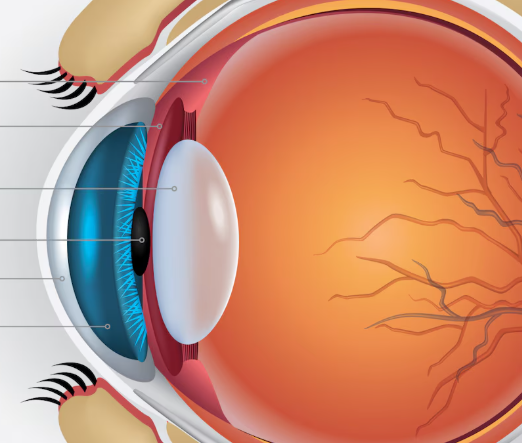
Treatment Overview
Anterior chamber lens exchange in Korea refers to the replacement of a previously implanted intraocular lens (or a natural lens in special cases) with a premium lens placed in the anterior chamber of the eye. This option may be selected when the posterior capsular support is insufficient or when a previous IOL needs revision and the surgeon opts for an anterior chamber placement for stability.
Korean eye surgery centres offering premium intraocular lens solutions combine high-end diagnostics, AI-aided surgical planning, lens exchange expertise, and premium lens materials to deliver refined visual outcomes and minimal dependency on glasses.
Purpose & Benefits
Purpose
- Remove an existing lens (natural or artificial) that no longer meets vision goals or has structural issues (e.g., decentration, capsule damage) and replace it with a premium anterior chamber lens.
- Provide high-quality optics for patients who need lens exchange and cannot rely on standard in-bag placement.
- Correct complex vision scenarios such as lens dislocation, poor capsular support, or previous unsatisfactory outcomes, while upgrading to a premium lens option.
Benefits
- Improved Visual Quality: Premium lens materials and designs in specialized anterior chamber placements can achieve sharper distance vision and reduced visual aberrations.
- Flexibility in Complex Cases: When in-bag or sulcus placement isn’t feasible, anterior chamber exchange provides a viable premium solution.
- Upgraded Lifestyle Vision: For patients who already had a lens implant and now seek an “upgrade” to premium optics (e.g., toric, EDOF, multifocal) but in a situation requiring anterior chamber placement.
- High Precision Outcomes: Korean clinics utilise advanced imaging and AI planning for lens sizing, alignment and placement, which is especially critical in exchange cases.
Ideal Candidates
Anterior chamber lens exchange in Korea is most suitable for:
- Patients who have undergone prior lens implantation and now face issues such as lens decentration, instability, or dissatisfaction with visual outcomes.
- Individuals with inadequate posterior capsular or zonular support where standard lens placement is not reliable.
- Patients seeking premium visual outcomes (toric correction of astigmatism, multifocal/EDOF optics) but require a non-bag placement.
- Individuals with healthy corneas, sufficient anterior chamber depth, and minimal risk factors (e.g., no severe corneal endothelial compromise).
- Patients with realistic expectations about trade-offs, and who are well-informed about the nature of an exchange surgery.
Possible Risks & Complications
While a well-executed anterior chamber lens exchange can yield excellent results, there are additional considerations:
- Corneal endothelial damage or decompensation (since anterior chamber lenses sit closer to the endothelium).
- Increased risk of intraocular inflammation, Uveitis-Glaucoma-Hyphema (UGH) syndrome in older anterior chamber lens designs.
- Residual refractive error or suboptimal premium lens performance if preoperative measurements or exchange planning is not perfect.
- Additional surgical complexity and recovery compared with primary lens implantation, especially due to prior surgery and anatomical changes.
- Posterior complications (e.g., retinal issues) may be more likely if the prior lens or surgery has altered the ocular structure.
Techniques & Technology Used (in Korea)
- Advanced Pre-operative Imaging & AI Biometry: Size and depth of the anterior chamber, endothelial cell count, white-to-white, anterior chamber angle and other metrics are precisely measured.
- Femtosecond Laser/Phaco Systems: Even during exchange cases, surgeries often utilise advanced platforms for safety and precision.
- Anterior Chamber Premium Lens Selection: Choosing a premium anterior chamber IOL (toric, refractive design) sized correctly for the anatomical space.
- Intraoperative Digital Alignment & Monitoring: Ensuring the lens sits correctly with optimal centration and tilt, critical for premium vision outcomes.
- Post-operative Optical Optimisation: Monitoring for lens stability, endothelial health, refractive stability, and adapting the visual system to the new lens.
Treatment Process in Korea
Step-by-Step Workflow
- Comprehensive Pre-operative Assessment
- Detailed ocular health check: cornea, endothelium, anterior chamber depth, intraocular pressure, retinal status.
- Review of prior surgery records, lens implant history, and current visual complaints.
- Determination of whether an anterior chamber exchange is appropriate versus other revision options.
- Surgical Planning
- Selection of the new premium lens type, appropriate sizing for anterior chamber placement, target refraction, and visual goals.
- Logistics of exchange: explantation of prior lens, management of capsular/zonular support issues, incision planning.
- Lens Explantation and Implantation
- Under local anaesthesia, removal of the previous IOL (and possibly residual lens/capsular material).
- Implantation of the premium anterior chamber lens, ensuring correct sizing and centration.
- Postoperative Monitoring & Visual Optimisation
- Early follow-up to check lens position, corneal endothelial status, intraocular pressure, and visual acuity.
- Intermediate follow-up to assess refractive stability and visual comfort, addressing any adaptation or residual issues.
Typical Duration: Depending on complexity, 30 minutes to 1 hour per eye (possibly more in exchange cases).
Setting: Premium ophthalmic centres in Korea equipped to handle advanced revision and lens-exchange surgeries.
Recovery & After-Care
After-Care Guidelines
- Use of antibiotic and anti-inflammatory drops for typically 2-4 weeks (or as directed).
- Avoid heavy lifting, swimming, rubbing eyes, or strenuous exercise for at least 1 week (or longer if advised).
- Wear UV protective sunglasses outdoors.
- Use artificial tears if dryness or irritation occurs.
- Attend follow-up visits: Day 1, Week 1, Month 1 (and additional visits as required for exchange cases).
- Monitor for signs of elevated intraocular pressure, endothelial compromise (e.g., corneal swelling), or lens instability.
Recovery Timeline
- Days 1–3: Vision may improve but there may be more variability compared with first-time cataract surgery; sensitivity to light or mild discomfort is common.
- Week 1: Stabilisation of basic vision; the lens position and corneal health are assessed.
- Weeks 2–4: Visual quality improves further; premium lens performance becomes clearer, though full visual comfort may still be developing.
- 1-3 Months: Final visual adaptation, full stabilisation of lens effect, endothelial recovery (if impacted), and visual refractive outcome usually settled.
Results & Longevity
Expected Results
- Good visual clarity for distance and elevated quality optics if a premium lens is used and surgical conditions are optimal.
- Reduced dependence on glasses for many distance tasks (though near/intermediate may still require optical support, depending on lens type).
- Stable lens positioning with careful surgical technique and postoperative monitoring.
Longevity
- Premium anterior chamber IOLs are permanent implants; when placed correctly and the ocular environment is appropriate, they offer long-term visual benefit.
- Long-term success depends on corneal endothelial health, chamber anatomy, and absence of progressive ocular disease; in well-selected cases, excellent durability is achieved.
Why Korea Is a Top Destination for Premium Lens Exchange
- Clinics in Korea combine high surgical volume, advanced technologies (AI planning, laser systems, digital monitoring) and superior postoperative care for premium lens exchange scenarios.
- Surgeons experienced in both primary premium IOL implantations and complex revision/exchange surgeries.
- Availability of a broad spectrum of premium lens materials and types, such that even exchange patients can upgrade to better optics.
- International patient services, transparent cost structures, and strong follow-up systems contribute to high patient satisfaction.
Unique Considerations in Korea for Exchange Procedures
- Preoperative assessment emphasises endothelial cell count and anterior chamber depth very carefully (more so than in primary cases).
- Surgical teams are prepared for contingency plans (e.g., if posterior support is inadequate, move to anterior chamber/lens exchange) and carry suitable premium lens options.
- Premium clinics may provide integrated diagnostic-surgery-follow-up in one location, thereby reducing risk and enhancing coordination for complex cases.
- Post-operative protocols in Korea often include enhanced monitoring and visual rehabilitation for premium lens outcomes, especially in exchange scenarios.
Cost Range (Indicative Estimate)
As a premium exchange procedure (more complex than standard cataract surgery), the cost will be higher than a primary premium IOL implant. For Korea:
- Premium intraocular lens implantation (primary) is often in the range of USD ~2,700–4,900 per eye (for premium IOLs) in Korea.
- Anterior chamber lens exchange involving premium IOLs may therefore exceed that range due to complexity, additional surgery time, and diagnostics — exact quotes will depend on the clinic, lens model, surgeon, and patient anatomy.


