
Treatment Overview
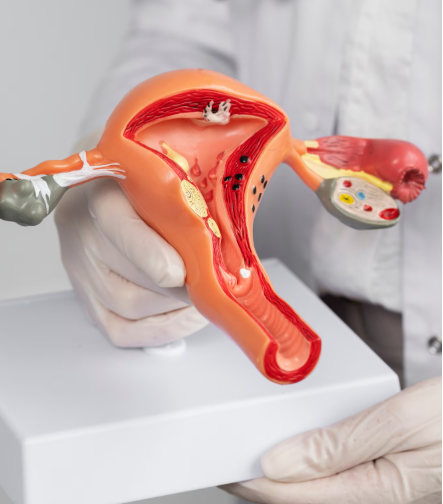
Anterior & Posterior Vaginal Wall Repair Surgery in Korea is a reconstructive gynecologic procedure performed to correct vaginal prolapse—a condition where the bladder, uterus, or rectum descends into the vaginal canal due to weakened pelvic floor tissues. This surgery strengthens and restores the structural integrity of the vaginal walls, improving pelvic stability, urinary control, and sexual function.
In Korea, highly skilled urogynecologic surgeons perform this operation using minimally invasive, mesh-free, and tissue-preserving techniques that provide both functional correction and aesthetic restoration. The procedure may be performed alone or in combination with other pelvic floor repairs, depending on the severity and type of prolapse.
Purpose & Benefits
The main purpose of the surgery is to reconstruct and reinforce the pelvic support system that holds the bladder (anterior wall) and rectum (posterior wall) in their natural positions. By tightening and supporting the vaginal tissue, the surgery alleviates prolapse symptoms while improving vaginal tone and comfort.
Key benefits include:
- Restoration of normal bladder and bowel function.
- Correction of cystocele (bladder prolapse) and rectocele (rectal prolapse).
- Relief from pelvic pressure, bulging, and discomfort.
- Enhanced sexual confidence and satisfaction.
- Prevention of recurrent prolapse and incontinence.
- Improved pelvic muscle tone and hormonal tissue health.
Korean surgeons focus on achieving both functional and aesthetic outcomes, ensuring that patients regain pelvic strength, comfort, and long-term confidence.
Ideal Candidates
This surgery is ideal for women who:
- Experience vaginal bulging, heaviness, or pelvic pressure.
- Suffer from urinary leakage, constipation, or incomplete bowel movements.
- Have a history of childbirth, menopause, or pelvic surgery.
- Are postmenopausal and experiencing tissue laxity or hormonal decline.
- Seek a durable and natural repair without extensive recovery time.
- Have completed childbearing and wish to restore vaginal and pelvic function.
Possible Risks & Complications
Anterior and posterior vaginal wall repair is generally very safe, especially in Korea’s advanced urogynecologic centers. However, as with any surgical procedure, there are potential risks, including:
- Temporary pain or swelling at the surgical site.
- Mild bleeding or spotting.
- Temporary urinary retention or difficulty emptying the bladder.
- Rare recurrence of prolapse or scar tissue formation.
Korean specialists minimize risks through detailed preoperative evaluations, precision surgical methods, and close postoperative monitoring to ensure safety and success.
Surgical Techniques Used
Korean surgeons combine innovation with precision to achieve the best possible outcomes. Common techniques include:
- Anterior Colporrhaphy: Reinforces and tightens the front vaginal wall to correct bladder descent.
- Posterior Colporrhaphy: Repairs and strengthens the back vaginal wall to correct rectal prolapse.
- Mesh-Free Native Tissue Repair: Uses the patient’s own tissue for support, reducing complications.
- Laparoscopic or Robotic-Assisted Techniques: Offers greater accuracy, minimal scarring, and faster recovery.
- Hormonal Support Therapy: Topical estrogen or bioactive treatments may be used to improve healing and tissue resilience.
- Pelvic Floor Rehabilitation Integration: Post-surgical exercises and physiotherapy to enhance muscle strength and prevent recurrence.
Korean clinics specialize in integrative pelvic repair, blending surgical expertise with hormonal and functional care to restore balance and vitality.
Recovery & Aftercare
Most women recover within 4–6 weeks following the procedure. Hospital stays typically last one to two days, depending on the surgical method.
Aftercare includes:
- Avoiding heavy lifting, strenuous exercise, and sexual activity for 6–8 weeks.
- Using prescribed medications or topical estrogen to promote healing.
- Attending follow-up visits to monitor recovery and tissue strength.
- Engaging in guided pelvic rehabilitation exercises to support long-term stability.
Korean post-operative care programs often include personalized physical therapy, hormone optimization, and lifestyle coaching for complete pelvic recovery.
Results & Longevity
Results are long-lasting, with most patients experiencing a significant improvement in pelvic support, comfort, and function. The repaired vaginal walls regain their strength, elasticity, and natural appearance. When supported by regular pelvic floor exercises and hormonal maintenance, the results can last for many years without recurrence.
Patients also report improved urinary control, enhanced sexual confidence, and relief from pelvic discomfort—all contributing to a better quality of life.
Treatment Process in Korea
In Korea, the process begins with an in-depth consultation, pelvic examination, and imaging assessment (such as 3D ultrasound or MRI). Once the type and severity of prolapse are identified, the surgeon designs a personalized surgical plan. The operation is performed under general or regional anesthesia, using either traditional or minimally invasive techniques.
Korea’s pelvic floor and urogynecology specialists are internationally recognized for their advanced technology, patient-centered care, and integration of hormone therapy and rehabilitation into surgical recovery. This comprehensive approach ensures long-term structural, hormonal, and emotional balance.
Cost Range
The cost of Anterior & Posterior Vaginal Wall Repair Surgery in Korea varies depending on the surgical technique, clinic reputation, and postoperative care program. On average:
- Standard repair procedures: ₩3,500,000 to ₩8,000,000 KRW (approximately $2,600–$6,000 USD).
- Advanced robotic or combination procedures: ₩9,000,000 to ₩12,000,000 KRW (around $6,500–$8,800 USD).
Comprehensive packages may include diagnostics, hormonal therapy, and rehabilitation for optimal recovery and long-term results.
Popular Clinics
- Daehan Women’s Health Center: Specializes in pelvic reconstructive and urogynecologic surgeries with hormonal support.
- Cheongdam Premier Clinic: Offers individualized prolapse repair using advanced laparoscopic and robotic systems.
- Banobagi Women’s Clinic: Focuses on aesthetic and functional pelvic restoration and rehabilitation.
- Chaum Wellness Center: Combines minimally invasive pelvic surgery with hormonal and postmenopausal care programs.


