
Treatment Overview
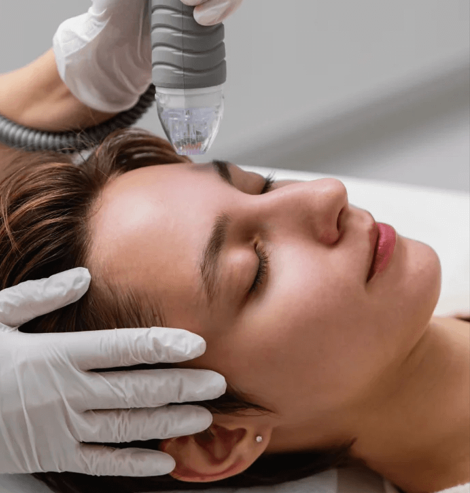
Anti-Aging Microneedling Therapy in Korea is a highly sought-after MedSpa treatment that rejuvenates the skin by stimulating natural collagen and elastin production. Microneedling, also known as collagen induction therapy, uses fine, medical-grade needles to create micro-injuries in the skin. This process activates the body’s healing response, leading to smoother texture, firmer skin, and a reduction in wrinkles and fine lines.
In Korea, microneedling is often enhanced with serum infusions, radiofrequency (RF) energy, or growth factor applications, making it more advanced than standard treatments offered elsewhere. This integration of technology and medical aesthetics has positioned Korea as a global leader in non-surgical anti-aging solutions.
Purpose & Benefits
The main purpose of Anti-Aging Microneedling Therapy is to reverse visible signs of aging by boosting the skin’s self-repair mechanism. Key benefits include:
- Reduction of fine lines and wrinkles, especially around the eyes and mouth.
- Improved skin elasticity and firmness through increased collagen and elastin.
- Smoother texture, reducing the appearance of roughness or unevenness.
- Minimized pores, improving overall clarity.
- Faded acne scars and pigmentation, making the skin look younger and healthier.
- Enhanced absorption of active serums, as microchannels allow deeper penetration.
Unlike fillers or Botox, microneedling works with the skin’s natural regenerative process, making results look more natural and long-lasting.
Ideal Candidates
This treatment is ideal for:
- Men and women seeking a non-surgical anti-aging treatment.
- Patients with fine lines, wrinkles, or early sagging skin.
- Those dealing with acne scars, enlarged pores, or uneven texture.
- Individuals looking to improve skin tone without aggressive procedures.
- People who prefer treatments with minimal downtime compared to surgery or lasers.
It may not be recommended for those with active acne, severe skin infections, or certain medical conditions.
Possible Risks & Complications
Microneedling is considered safe, but temporary side effects can occur, such as:
- Mild redness and swelling, similar to a sunburn, lasting 1–2 days.
- Slight peeling or flaking as the skin renews itself.
- Rarely, bruising or pinpoint bleeding during the session.
In Korean clinics, dermatologists use sterile, medical-grade devices and apply soothing masks post-treatment to minimize risks.
Techniques Used
Korea is at the forefront of microneedling advancements. Some techniques commonly used include:
- Traditional microneedling devices, using automated pens for precise depth control.
- Microneedling with RF energy (RF Microneedling), which delivers heat deep into the skin to enhance tightening and collagen production.
- Serum infusion therapy, where hyaluronic acid, peptides, or growth factors are delivered through microchannels.
- PRP (Platelet-Rich Plasma) microneedling, where the patient’s own plasma is applied to accelerate healing and rejuvenation.
- Stem cell or exosome-enriched microneedling, a unique Korean method that maximizes skin regeneration.
These advanced techniques make treatments in Korea particularly effective, with visible results achieved faster than traditional methods.
Recovery & Aftercare
The recovery process is minimal compared to invasive anti-aging procedures. Patients typically experience redness for 24–48 hours, followed by slight sensitivity or dryness. Aftercare recommendations include:
- Avoiding direct sun exposure and applying broad-spectrum sunscreen.
- Using gentle, hydrating products instead of harsh exfoliants.
- Refraining from makeup for 24 hours.
- Staying hydrated to support skin healing.
Most patients can return to normal routines within a day or two, making it a convenient treatment for busy lifestyles.
Results & Longevity
Visible improvements are usually noticed within 1–2 weeks, with optimal results seen after 3–5 sessions spaced a month apart. Skin becomes progressively firmer, smoother, and more youthful.
Results can last 12–18 months, especially when combined with good skincare habits and periodic maintenance sessions. Unlike temporary injectables, microneedling works on a cellular level, creating long-term anti-aging benefits.
Treatment Process in Korea
In Korea, Anti-Aging Microneedling Therapy is more advanced because clinics often combine multiple techniques for maximum effectiveness. Treatments usually start with a thorough skin assessment, followed by cleansing and numbing cream application for comfort.
The microneedling device is then used at tailored depths, depending on the patient’s skin concerns. Immediately afterward, Korean clinics apply customized serums, soothing masks, or PRP, which penetrate deeper through the microchannels. Many centers also incorporate LED light therapy or cryotherapy to reduce inflammation and accelerate healing.
Korea is considered a top destination for microneedling because of its cutting-edge technology, customized protocols, and highly trained dermatologists. Patients from around the world seek treatment here, knowing they can expect visible, natural-looking results with minimal downtime.
Cost Range
The cost of Anti-Aging Microneedling Therapy in Korea varies depending on the technique used. On average, prices range from ₩200,000 to ₩600,000 KRW (approximately $150 – $450 USD) per session. Advanced methods such as RF microneedling or PRP may be priced higher. Package deals for multiple sessions are commonly offered at discounted rates.
Popular Clinics
Some of the most reputable clinics offering microneedling in Korea include Banobagi Dermatology, Oracle Skin Clinic, ID Dermatology, Wonjin Aesthetic Center, and Lienjang Clinic. These clinics are renowned for combining microneedling with the latest innovations in anti-aging science, attracting both local and international patients.


