
Treatment Overview
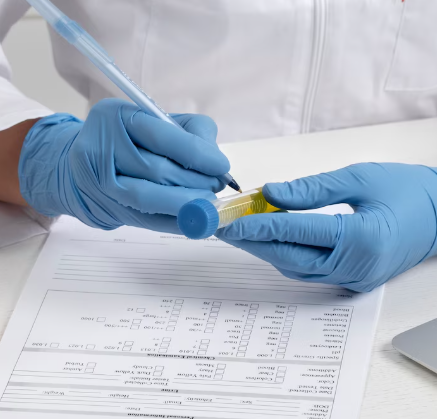
Antiphospholipid Antibody Testing (APA Testing) is a diagnostic blood test used to detect the presence of specific antibodies associated with Antiphospholipid Syndrome (APS) — a condition that can lead to recurrent pregnancy loss, infertility, and pregnancy complications. These antibodies interfere with normal blood clotting, affecting placental function and embryo implantation. In Korea, APA testing is an integral part of advanced fertility evaluation and is often performed alongside immunological and coagulation studies to ensure a precise diagnosis and personalized treatment plan for women experiencing repeated miscarriages or IVF failures.
Purpose & Benefits
The main purpose of APA testing is to identify immune-related clotting disorders that can cause miscarriage or pregnancy complications.
Key benefits include:
- Detecting antiphospholipid antibodies such as lupus anticoagulant, anticardiolipin, and β2-glycoprotein I antibodies.
- Understanding the underlying cause of recurrent pregnancy loss or unexplained infertility.
- Guiding the use of preventive treatments like anticoagulants (aspirin, heparin) to improve pregnancy outcomes.
- Reducing the risk of further miscarriage by initiating early medical intervention.
- Supporting safer and more successful pregnancies for patients with immune-related clotting issues.
Korean reproductive medicine centers combine immunology, hematology, and fertility expertise to provide comprehensive evaluation and management plans for affected women.
Ideal Candidates
Antiphospholipid antibody testing is recommended for:
- Women with recurrent pregnancy loss (two or more consecutive miscarriages).
- Individuals with unexplained infertility or failed IVF/implantation cycles.
- Patients with a history of pre-eclampsia, placental insufficiency, or intrauterine growth restriction (IUGR).
- Women with autoimmune diseases, such as lupus, or a family history of clotting disorders.
- Patients who have experienced blood clots, strokes, or thrombosis during pregnancy.
This test helps fertility specialists identify high-risk cases and tailor preventive or therapeutic interventions accordingly.
Possible Risks & Complications
Antiphospholipid antibody testing is a simple blood test with minimal risks. However, some possible considerations include:
- Minor pain or bruising at the needle insertion site.
- Rare allergic reactions to antiseptics or materials used.
- Emotional distress if results indicate increased risk of pregnancy complications.
- The need for additional confirmatory testing if results are borderline or inconclusive.
Korean clinics follow precise lab protocols, ensuring reliable results with minimal discomfort to the patient.
Surgical Techniques Used
This is a non-surgical diagnostic procedure involving laboratory analysis. The techniques include:
- Venipuncture (Blood Sample Collection): Blood is drawn from the patient’s vein for analysis.
- ELISA (Enzyme-Linked Immunosorbent Assay): Used to detect anticardiolipin and β2-glycoprotein I antibodies.
- Coagulation Testing: To identify lupus anticoagulant activity and related clotting abnormalities.
- Advanced Automated Analyzers: Korean labs use high-precision machines for antibody quantification and reproducibility.
- Repeat Testing: Conducted after 12 weeks to confirm persistent antibody presence for definitive APS diagnosis.
Korea’s medical laboratories are known for their international-standard quality assurance and accuracy in immunological testing.
Recovery & Aftercare
As a non-invasive test, there is no recovery period required. Aftercare involves:
- Monitoring for mild bruising or soreness at the blood draw site.
- Discussing results with a fertility specialist or hematologist.
- Beginning treatment plans if antibodies are detected, such as low-dose aspirin, heparin, or immunotherapy.
- Ongoing follow-up during fertility treatment or pregnancy to adjust medication dosages.
Korean fertility clinics often provide combined care with reproductive immunologists and obstetricians for continuous monitoring and support.
Results & Longevity
- Test results typically classify antibodies as negative, low, medium, or high positive.
- A positive test indicates an increased risk for miscarriage or thrombosis, guiding preventive therapy.
- Once detected, antibodies may persist for life, though proper management can lead to normal pregnancies.
- Repeat testing is performed periodically to monitor antibody activity and treatment efficacy.
- With treatment, women with APS can achieve successful pregnancy rates exceeding 70–80% in well-managed cases.
Korea’s fertility specialists focus on long-term management strategies, ensuring safe conception and sustained pregnancies.
Treatment Process in Korea
The testing and follow-up process in Korea typically includes:
- Initial Consultation: Medical history review, including past miscarriages or fertility treatments.
- Sample Collection: Blood draw for antibody testing.
- Laboratory Analysis: Testing for lupus anticoagulant, anticardiolipin, and β2-glycoprotein I antibodies.
- Result Interpretation: Evaluation by reproductive immunologists and fertility specialists.
- Treatment Planning: If positive, initiating therapy with anticoagulants or immunomodulatory agents.
- Monitoring: Ongoing follow-up during pregnancy to ensure stable blood clotting and placental function.
Why Korea is a Top Destination:
- Advanced immunological and hematological diagnostic technology integrated with fertility care.
- Collaboration between fertility specialists, hematologists, and maternal-fetal medicine experts.
- High success rates in treating recurrent pregnancy loss with targeted therapy.
- Rigorous laboratory quality standards, ensuring test precision and reliability.
- Efficient diagnostic timelines and affordable, patient-centered care for international patients.
Korean fertility centers are recognized globally for combining precise diagnostic evaluation with personalized therapeutic strategies.
Cost Range
The cost of antiphospholipid antibody testing in Korea varies depending on the test panel and hospital setting:
- Basic APA Panel (3 antibodies): USD 150 – 300
- Comprehensive APS Panel with Coagulation Studies: USD 300 – 600
- Follow-up or Confirmatory Testing: USD 100 – 200
When part of a recurrent pregnancy loss or IVF workup, the cost may be bundled with other diagnostic evaluations.
Popular Clinics
Leading fertility and reproductive centers in Korea offering antiphospholipid antibody testing include:
- CHA Fertility Center (Seoul): Renowned for immunological fertility testing and advanced reproductive medicine.
- Maria Fertility Hospital: Offers integrated diagnostic services for recurrent miscarriage and fertility treatment.
- MizMedi Women’s Hospital: Provides comprehensive evaluation for immune and hormonal fertility issues.
- GynART Reproductive Center: Specializes in recurrent pregnancy loss management and fertility diagnostics.
- Seoul National University Hospital – Reproductive Medicine Unit: Academic leader in fertility immunology and pregnancy care.


