
Treatment Overview
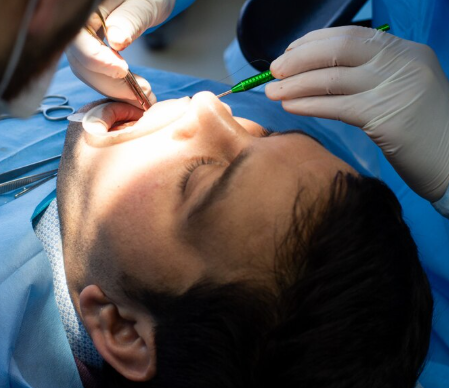
Apicoectomy in Korea is a specialized endodontic microsurgical procedure performed to treat persistent infection or inflammation at the tip of a tooth’s root after a root canal treatment. Also known as root-end surgery, this precise and minimally invasive treatment removes the infected root tip (apex) and surrounding diseased tissue, followed by sealing the end of the root to prevent reinfection.
Korean dental clinics are globally known for their advanced microscopic techniques, digital imaging systems, and highly skilled endodontists who perform apicoectomies with precision and comfort. Using 3D CBCT scans, dental microscopes, and laser-assisted tools, Korean specialists can accurately locate the problem area, eliminate infection, and preserve the natural tooth for long-term function.
This procedure offers a highly effective solution for patients who experience symptoms or infection even after undergoing root canal therapy, ensuring lasting oral health and tooth stability.
Purpose & Benefits
Purpose
- To remove persistent infection at the root tip that cannot be treated through conventional root canal therapy.
- To eliminate cysts, abscesses, or inflamed tissue around the tooth root.
- To save a tooth that might otherwise require extraction.
- To restore dental and bone health in the affected area.
- To prevent the spread of infection to surrounding tissues.
Benefits
- Tooth Preservation: Saves natural teeth that might otherwise be lost.
- Minimally Invasive: Performed under a microscope for accuracy and minimal trauma.
- Fast Healing: Laser and ultrasonic tools reduce recovery time.
- Permanent Solution: Seals the root tip to prevent reinfection.
- Pain-Free Experience: Performed under local anesthesia or sedation for comfort.
- Enhanced Success Rate: Korean precision dentistry ensures high long-term success.
Korean endodontic experts use microsurgical precision and advanced technology to deliver results that are both effective and aesthetically pleasing.
Ideal Candidates
Ideal Candidates Include:
- Patients with a tooth that remains infected after root canal therapy.
- Individuals with small cysts or lesions at the root tip.
- Patients with root fractures or blocked canals that cannot be retreated conventionally.
- Those experiencing pain, swelling, or gum tenderness near a previously treated tooth.
- Patients seeking an alternative to tooth extraction and implant placement.
Apicoectomy is ideal for preserving the natural tooth when other treatments have failed, restoring full oral function and comfort.
Possible Risks & Considerations
While apicoectomy is a safe and routine procedure, some minor side effects may occur:
- Temporary Swelling or Bruising: Common during the first few days post-surgery.
- Mild Discomfort: Easily managed with prescribed pain relievers.
- Gum Tenderness: Temporary sensitivity at the surgical site.
- Incomplete Healing (Rare): Possible if the infection was extensive.
Korean dental professionals minimize these risks by using digital imaging, aseptic surgical environments, and precise micro-instruments that promote rapid healing and reliable results.
Techniques Used
Korean dental clinics are equipped with state-of-the-art microsurgical and laser systems for enhanced accuracy, reduced trauma, and faster recovery.
Common Techniques Include:
- 3D CBCT Imaging: Provides detailed visualization of root anatomy and infection extent.
- Microsurgical Root-End Resection: Removes 2–3 mm of the infected root apex under magnification.
- Ultrasonic Retrograde Cleaning: Cleans and prepares the canal end using micro-vibration technology.
- Laser Disinfection: Eliminates bacteria in the surgical area for sterile healing.
- Bioceramic Root-End Filling: Seals the root tip to prevent future infection.
- Bone Grafting (if necessary): Restores bone lost due to infection.
These modern methods ensure maximum precision, minimal discomfort, and durable treatment outcomes.
Recovery & Aftercare
Recovery after an apicoectomy in Korea is generally quick and comfortable, thanks to minimally invasive microsurgical methods.
Aftercare Guidelines:
- Apply an ice pack to reduce swelling for the first 24 hours.
- Avoid chewing on the treated side for 1–2 days.
- Maintain gentle oral hygiene, avoiding brushing directly over the surgical site.
- Rinse with warm saltwater after 24 hours to aid healing.
- Take prescribed antibiotics or pain relievers as directed.
- Attend follow-up appointments to monitor healing progress.
Full recovery typically occurs within 1–2 weeks, with most patients resuming normal activity within a day or two.
Results & Longevity
Expected Results:
- Complete elimination of infection and inflammation.
- Restored comfort and function in the treated tooth.
- Regeneration of surrounding bone and gum tissue.
- Long-term preservation of natural tooth structure.
Longevity:
Apicoectomy results are long-lasting, often permanent when combined with good oral hygiene and regular dental checkups. Korean clinics use bioceramic sealing materials and laser sterilization to ensure lasting success rates exceeding 90%.
Treatment Process in Korea
Step-by-Step Process:
- Consultation & Digital Diagnosis: CBCT scan and microscopic evaluation of the affected tooth.
- Anesthesia & Preparation: Local anesthesia or mild sedation ensures comfort.
- Surgical Access: A small incision is made in the gum near the root tip.
- Root-End Resection: Infected root tip and surrounding tissue are carefully removed.
- Cleaning & Sealing: Root-end is cleaned and sealed using biocompatible materials.
- Suturing & Healing: Gums are sutured; laser therapy may be used to accelerate recovery.
- Follow-Up: Regular checkups ensure complete healing and restoration of function.
This structured approach reflects Korea’s excellence in precision dentistry and patient-centered care.
Why Korea Is a Top Destination
- Expert Endodontic Microsurgeons: Highly trained specialists in root-end surgery.
- Advanced Imaging Systems: 3D CBCT and digital microscopes for unparalleled accuracy.
- Laser & Ultrasonic Technology: Minimizes pain, swelling, and recovery time.
- Sterile Surgical Environments: Hospital-grade infection control and safety standards.
- Affordable Global Quality: World-class treatment at competitive international prices.
- Comprehensive Post-Care: Regular follow-ups and healing support included.
Korea’s combination of medical precision, advanced dental technology, and patient comfort makes it a global leader in endodontic care.
Unique Korean Methods & Technology
- AI-Guided Root Analysis: Identifies complex root structures for targeted treatment.
- Microscopic Laser Systems: Enables ultra-precise removal of infected tissue.
- Digital Navigation Surgery: Ensures perfect root-end access with minimal tissue disruption.
- Regenerative Bone Therapy: Promotes faster bone and gum healing post-surgery.
- Pain-Control Innovations: Use of sedation and biothermal laser systems for maximum comfort.
These innovations reflect Korea’s status as a hub of advanced, minimally invasive endodontic treatment.
Cost Range
The cost of Apicoectomy in Korea for Root Canal Therapy varies based on tooth position, complexity, and clinic technology.
- Single-Rooted Tooth (Front): ₩350,000 – ₩600,000 (USD $260 – $450)
- Multi-Rooted Tooth (Molars): ₩700,000 – ₩1,200,000 (USD $530 – $900)
- Laser-Assisted Apicoectomy: ₩1,000,000 – ₩1,500,000 (USD $750 – $1,130)
- Comprehensive Endodontic Surgery Package: ₩1,800,000+ (USD $1,350+)
Most Korean dental clinics include consultation, imaging, surgery, and post-operative care in one treatment package.
Popular Clinics
- Seoul National University Dental Hospital (Endodontic Department): Renowned for microsurgical root-end treatments and academic expertise.
- Yonsei University Severance Dental Hospital: Offers CBCT-guided and laser-assisted apicoectomy.
- Asan Medical Center Dental Clinic: Specializes in advanced endodontic microsurgery with bone regeneration.
- Samsung Medical Dental Center: Uses AI and 3D navigation systems for precise root-end surgery.
- MizMedi Dental Clinic: Provides minimally invasive apicoectomy with high success rates and short recovery.


