
Treatment Overview
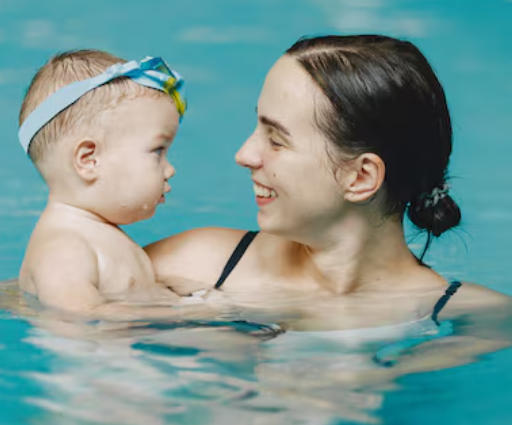
Aqua Healing Therapy for postpartum care is a water-based rehabilitation and relaxation method designed to help mothers recover after childbirth. In Korea, this therapy is increasingly integrated into high-end postpartum care programs, combining traditional recovery principles with modern wellness and rehabilitation techniques. The therapy utilizes warm water, buoyancy, and gentle resistance to relieve pain, reduce swelling, and accelerate the body’s natural healing process.
Purpose & Benefits
The primary purpose of Aqua Healing Therapy is to promote both physical and emotional recovery after delivery. Its benefits include:
- Improved Circulation and Reduced Swelling: The hydrostatic pressure of warm water supports lymphatic drainage and enhances blood flow.
- Faster Physical Recovery: Water resistance strengthens core and pelvic muscles without straining the joints or incision areas.
- Pain and Tension Relief: Warm water and hydro-massage help soothe lower-back pain, pelvic discomfort, and fatigue.
- Emotional Well-being: The calm aquatic environment reduces stress and anxiety, improving mood and promoting rest.
- Holistic Recovery: Korea’s postpartum programs combine Aqua Healing Therapy with traditional care methods for complete physical and emotional rejuvenation.
Ideal Candidates
Aqua Healing Therapy is ideal for:
- Women who are at least four to six weeks postpartum and cleared by their OB/GYN for light activity.
- Mothers experiencing postpartum swelling, pelvic pain, muscle tension, or poor circulation.
- Women recovering from either vaginal delivery or cesarean section who prefer gentle rehabilitation.
- New mothers seeking a premium postpartum care experience with modern, medically guided therapies.
Possible Risks & Complications
Although generally safe, Aqua Healing Therapy should be performed under professional supervision. Potential risks include:
- Infection if the therapy pool is not properly sanitized, especially if wounds are not fully healed.
- Strain or overexertion if inappropriate exercises are performed too soon after delivery.
- Cold exposure in low-temperature environments, which may interfere with postpartum warmth-maintenance practices.
- Temporary fatigue or mild soreness after sessions.
Medical clearance from an OB/GYN is always recommended before beginning therapy.
Techniques Used
Korean postpartum centres and women’s health clinics employ advanced aquatic rehabilitation techniques such as:
- Warm-Water Therapy: Pools maintained at body-friendly temperatures to relax muscles and encourage blood flow.
- Hydro-Massage Jets: Targeted jets help release tension, stimulate circulation, and aid lymphatic drainage.
- Buoyancy-Assisted Movements: Gentle resistance exercises for pelvic and core muscles with minimal stress on joints.
- Aquatic Stretching and Mobility Drills: Designed to restore posture, flexibility, and body alignment.
- Integration with Korean Postpartum Traditions: Herbal baths, massages, and warmth-based recovery methods are often combined for optimal results.
Korea is recognized as a top destination for postpartum care because of its advanced healthcare facilities, highly trained specialists, and unique combination of traditional and modern healing approaches. The infrastructure, luxurious care centres, and focus on women’s health make it a leader in postpartum wellness tourism.
Recovery & Aftercare
Most women begin Aqua Healing Therapy four to six weeks after childbirth. Sessions typically last 30–45 minutes and are conducted two to three times a week. After each session, warm drying, adequate hydration, and rest are emphasized. Nutrition plays a vital role — balanced meals and adequate protein intake support healing. The therapy is often complemented by land-based pelvic floor and core exercises for long-term recovery.
Post-therapy monitoring by physiotherapists or OB/GYN specialists ensures that progress is safe and effective. Women should avoid heavy lifting, high-impact exercises, or cold environments until fully recovered.
Results & Longevity
Consistent Aqua Healing Therapy leads to:
- Reduced pain, swelling, and muscle tension.
- Improved posture, mobility, and pelvic floor strength.
- Faster tissue healing and overall body toning.
- Enhanced emotional well-being and energy levels.
Results generally appear within six to eight weeks of consistent therapy. Long-term maintenance through continued light exercise or occasional aquatic sessions supports lasting health benefits.
Treatment Process in Korea
- Initial Consultation: A detailed medical and physical assessment by an OB/GYN or women’s health physiotherapist.
- Customized Therapy Plan: A personalized schedule based on postpartum condition and recovery goals.
- Therapy Sessions: Conducted in warm pools under professional supervision with targeted exercises.
- Integration with Postpartum Care: Combined with massages, nutrition programs, and traditional Korean recovery practices.
- Monitoring and Adjustment: Regular assessments to track progress and modify exercise intensity.
- Transition to Maintenance: Gradual shift from aquatic to land-based exercises for sustained recovery.
- Comprehensive Care: Many Korean centres provide lodging, meals, and newborn support, creating an all-inclusive postpartum healing experience.
Korea stands out for its advanced facilities, meticulous care standards, and focus on both mother and infant wellness.
Cost Range
Costs vary based on the facility and program length:
- Standard postpartum care packages (2–3 weeks): approximately ₩2,000,000 to ₩5,000,000 (USD $1,500–$3,700).
- Luxury centres and international programs: can exceed ₩10,000,000–₩17,000,000 for premium services.
- Aqua Healing Therapy add-on packages: approximately ₩300,000–₩500,000 per week, depending on session frequency and facility type.
Prices typically include access to the pool, professional supervision, wellness amenities, and accommodation.
Popular Considerations
- Choose clinics with certified OB/GYNs and physiotherapists specializing in postpartum care.
- Confirm that facilities maintain proper water hygiene and temperature control.
- Ensure your incision or wounds are fully healed before beginning sessions.
- Verify if the centre provides English-language support and newborn accommodations for international patients.
- Combine therapy with proper nutrition, warmth, and rest for optimal recovery results.


