
Treatment Overview
Arbutin Body Peel in Korea is a skin-brightening chemical peel designed to improve overall body skin tone and reduce pigmentation. Arbutin, a natural derivative of hydroquinone, works by inhibiting melanin production and gently exfoliating dull, damaged skin layers. This peel not only enhances skin brightness but also improves texture, hydration, and smoothness.
Korean dermatology clinics commonly use arbutin peels for patients seeking body whitening, treatment of dark patches, and post-inflammatory pigmentation. The procedure is safe, non-invasive, and suitable for sensitive areas since arbutin provides whitening benefits without the irritation associated with stronger bleaching agents.
Purpose & Benefits
- Body Whitening: Reduces pigmentation for a brighter, more even skin tone.
- Hyperpigmentation Control: Fades dark spots, post-inflammatory marks, and uneven patches.
- Gentle Exfoliation: Removes dead skin cells and promotes cell renewal.
- Hydration Boost: Improves moisture retention for smoother skin.
- Safe for Sensitive Skin: Less irritation compared to hydroquinone or strong acids.
Ideal Candidates
Arbutin Body Peel in Korea is recommended for:
- Individuals seeking overall body whitening and brightening.
- Patients with darkened areas (elbows, knees, underarms, bikini line).
- Those with post-inflammatory pigmentation or uneven tone.
- People preferring a gentle, non-aggressive peel option.
- Patients combining whitening peels with glutathione drips, mesotherapy, or laser whitening.
Possible Risks & Complications
- Mild Redness or Sensitivity: Temporary, fades within hours.
- Peeling or Flaking: Normal as new skin surfaces.
- Dryness or Tightness: Managed with moisturizers.
- Rare Risks: Irritation or hyperpigmentation if sun exposure occurs too soon.
- Not Suitable For: Patients with open wounds, eczema, or pregnant/breastfeeding women without medical approval.
Surgical Techniques Used
Though non-surgical, the procedure uses medical-grade protocols:
- Arbutin-Enriched Peel Solution: Targets melanin for brightening.
- Multi-Acid Formulas: Often combined with mild AHAs for enhanced exfoliation.
- Layered Application: Depth controlled by dermatologist.
- Korean Combination Protocols: Often paired with IV glutathione, whitening lasers, or mesotherapy.
- Sessions Required: Typically 3–6 sessions spaced 2–4 weeks apart.
Recovery & Aftercare
- Immediately: Skin feels smoother and refreshed.
- 1–3 Days: Mild peeling or flaking may occur.
- 1–2 Weeks: Noticeable brightness and improved tone.
Aftercare Tips:
- Apply soothing moisturizers daily.
- Avoid harsh exfoliation or scrubbing.
- Protect skin with SPF 50+ on exposed areas.
- Avoid hot saunas, baths, or tanning for 48 hours.
- Stay hydrated and maintain gentle skincare routine.
Results & Longevity
- After 1 Session: Skin appears fresher and more radiant.
- After 3 Sessions: Visible lightening of dark spots and smoother tone.
- After 6 Sessions: Significant body whitening with even, glowing skin.
- Longevity: Results last 6–12 months; maintenance recommended every 3–6 months.
Treatment Process in Korea
Consultation & Skin Analysis
- Dermatologist assesses pigmentation levels and skin sensitivity.
- Customized peel strength and treatment plan designed.
Preparation
- Body area cleansed; sensitive zones protected.
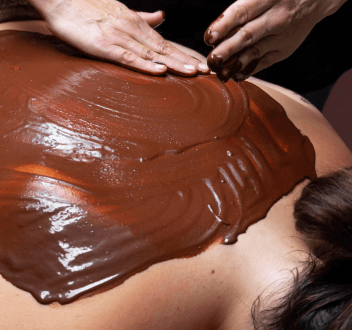
Arbutin Body Peel Session
- Step 1: Arbutin peel solution applied evenly to targeted areas.
- Step 2: Solution left on for controlled duration.
- Step 3: Neutralization and removal of peel.
- Step 4: Soothing cream or hydrating mask applied.
- Session lasts ~30–45 minutes.
Post-Treatment Care in Clinic
- Cooling gel applied.
- Aftercare instructions provided.
Follow-Up
- 3–6 sessions recommended.
- Maintenance every 3–6 months.
Why Korea is a Top Destination
- Customized Whitening Formulas: Tailored for Asian skin with minimal irritation.
- Safe Brightening Protocols: Dermatologists focus on reducing hyperpigmentation risks.
- Combination Treatments: Often integrated with whitening injections, lasers, or IV therapy.
- Global Reputation: Korea is a leader in cosmetic dermatology and advanced body whitening techniques.
Cost Range (Estimated)
- Single Arbutin Body Peel Session: USD 150 – 300
- 3-Session Package: USD 400 – 800
- 6-Session Package: USD 800 – 1,500
Additional Costs:
- Consultation: USD 20 – 50
- Add-ons (glutathione drip, laser whitening, mesotherapy): USD 200 – 600 per session
- Premium Whitening Packages (Peel + boosters): USD 1,500 – 3,000
Popular Clinics
- Oracle Dermatology: Arbutin body peels with whitening boosters.
- Banobagi Plastic Surgery: Whitening programs combining peels + injections.
- Renewme Skin Clinic: Arbutin peels with mesotherapy for pigmentation.
- View Plastic & Dermatology: Body whitening with peel + laser combination.
- Chaum Anti-Aging Center: Premium whitening packages with regenerative therapy.


