
Treatment Overview
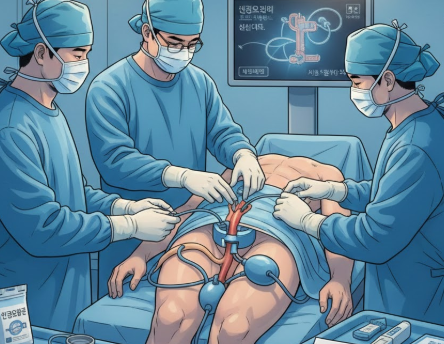
Artificial Urinary Sphincter (AUS) Implantation is a highly specialized surgical procedure used to manage severe stress urinary incontinence, particularly in men following prostate surgery. Korea’s urology centers are globally recognized for advanced continence restoration, incorporating high-precision techniques and state-of-the-art devices such as the AMS 800. The AUS system functions as a substitute for the natural sphincter, allowing patients voluntary control over urination and significantly improving quality of life.
Purpose & Benefits
The purpose of AUS implantation is to offer a long-term, reliable solution for individuals whose urinary sphincter no longer functions effectively. Key benefits include:
- Restoration of urinary control
- Significant reduction or elimination of pads
- Enhanced comfort, mobility, and confidence
- Durable performance with long device lifespan
- Proven success, particularly for post-prostatectomy patients
- Safe, minimally invasive procedure protocols in Korean hospitals
For medical tourists, Korea additionally provides efficient examination, coordination services, and accelerated treatment scheduling.
Ideal Candidates
Candidates best suited for AUS implantation include:
- Men with severe stress urinary incontinence
- Patients experiencing post-prostatectomy incontinence
- Individuals who have not responded to physical therapy or medication
- Those with damaged or weakened sphincter muscles
- Adults capable of operating the AUS pump independently
- Patients without active infections or major urethral scarring
Females may also undergo AUS implantation; however, male patients represent the majority.
Possible Risks & Complications
While AUS implantation is safe and highly standardized in Korea, potential risks still exist:
- Device infection
- Mechanical failure or malfunction
- Urethral erosion or cuff-related pressure complications
- Bleeding or discomfort at the incision
- Temporary urinary retention
- Need for device revision over time
- General anesthesia-related concerns
Korean hospitals conduct comprehensive tests preoperatively to minimize these risks.
Techniques & Technology Used
Korea uses some of the most advanced urological technologies available worldwide. AUS implantation techniques commonly include:
- Minimally invasive surgical approaches
- Robotic-assisted implantation (in select centers)
- High-resolution urethral imaging
- Advanced cuff designs and pressure-regulating balloons
- Next-generation AUS devices with improved reliability
- Enhanced sterilization and infection-prevention protocols
Surgeons in Korea are trained in male pelvic reconstruction, creating superior accuracy and reduced postoperative complications.
Treatment Process in Korea
International patients experience a seamless treatment pathway:
- Pre-Arrival Online Consultation
Medical history, test results, and prior treatments are reviewed remotely. - In-Person Diagnostic Evaluation
Includes cystoscopy, urodynamic tests, infection screening, and flow studies. - Surgical Planning and Device Selection
The surgeon outlines expectations, risks, and postoperative care steps. - Surgical Procedure
AUS implantation typically takes 1–2 hours. Components are inserted through small incisions under anesthesia. - Postoperative Hospitalization
Patients usually stay 1–2 days for monitoring. - Healing Period
The device remains inactive for 4–6 weeks to allow proper tissue recovery. - Activation & Training
After healing, patients return for device activation and pump operation training. Video consultations are available for follow-up.
Recovery & After-Care
Recovery in Korea is efficient and well-supported. Patients are advised to:
- Avoid strenuous activities for several weeks
- Maintain proper hygiene around surgical areas
- Follow antibiotic instructions
- Avoid unnecessary catheterization
- Attend scheduled follow-up appointments
- Report unusual pain, bleeding, or urinary issues immediately
Most patients resume daily activities within a week, with full recovery in about 4–6 weeks.
Results & Longevity
AUS implantation offers some of the highest success rates among urinary incontinence treatments:
- 75–90% continence improvement
- Many patients reduce or eliminate pad usage
- Device typically lasts 8–12 years
- High satisfaction among post-prostatectomy patients
Revisions may be needed over time, but Korean specialists maintain long-term follow-up programs for international patients.
Why Korea Is a Top Destination
Korea stands out for AUS implantation due to:
- Experienced urologists specializing in continence and reconstructive surgery
- Integration of advanced technology, including robotic systems
- Transparent costs and medical tourism support
- Reduced wait times and efficient diagnostic workups
- Modern hospitals with multilingual international patient teams
- High success rates and standardized postoperative care
These strengths position Korea among the most trusted destinations for AUS implantation.
Cost Range
The typical cost for AUS implantation in Korea ranges from USD 16,000 – 28,000. The price varies depending on:
- Surgeon’s expertise
- Type of device used
- Hospital grade (private clinic vs. tertiary center)
- Preoperative testing requirements
- Follow-up care and consultation packages
Many hospitals offer tailored packages for overseas patients.
Popular Clinics in Korea
Notable hospitals and centers performing AUS implantation include:
- Asan Medical Center
- Seoul National University Hospital (SNUH)
- Samsung Medical Center
- Severance Hospital (Yonsei University Health System)
- W Hospital Urology Center
- Soonchunhyang University Hospital
- Specialized private urology clinics in Seoul and Busan
These institutions provide advanced diagnostics, expert surgeons, and structured medical tourism assistance.


