
Treatment Overview
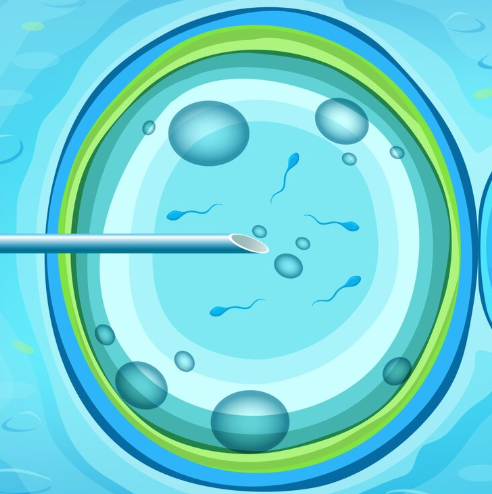
Assisted Hatching (AH) is an advanced laboratory technique performed during IVF to help an embryo implant successfully into the uterine lining. The procedure involves creating a microscopic opening in the embryo’s outer shell (zona pellucida) to facilitate the embryo’s release and attachment to the uterus. In donor sperm IVF cycles, Assisted Hatching can enhance implantation chances, particularly for older women or those with previous implantation failures.
In Korea, Assisted Hatching is performed using high-precision laser micromanipulation systems under strict embryology lab protocols. Korean fertility clinics are globally recognized for their advanced embryology laboratories equipped with time-lapse incubators, AI embryo selection, and micro-laser hatching technologies, ensuring maximum embryo safety and success.
Purpose & Benefits
The main purpose of Assisted Hatching is to increase the likelihood of embryo implantation and pregnancy in IVF cycles.
Key benefits include:
- Enhances embryo’s ability to attach to the uterine lining.
- Particularly beneficial for older women or patients with thick zona pellucida (outer shell).
- Improves success rates in frozen embryo transfer or donor sperm cycles.
- Increases the chance of pregnancy after multiple failed IVF attempts.
- Safe and precise procedure with minimal manipulation of the embryo.
Korean embryologists use laser-assisted techniques, which are safer and more accurate than older chemical or mechanical hatching methods.
Ideal Candidates
Assisted Hatching is recommended for:
- Women over the age of 37 with lower implantation rates.
- Patients with previous IVF failures or poor embryo implantation history.
- Individuals using frozen-thawed embryos, as the zona pellucida can harden during freezing.
- Donor sperm or donor egg IVF cases requiring enhanced implantation potential.
- Patients with embryos showing thick or tough outer shells during microscopic evaluation.
Korean fertility specialists evaluate each patient’s embryo development stage and history before recommending Assisted Hatching.
Possible Risks & Complications
Assisted Hatching is a delicate yet low-risk procedure when performed by experienced embryologists. However, possible risks include:
- Minor damage to the embryo if hatching is not precisely controlled.
- Slight increase in risk of identical twin pregnancies if multiple embryos are transferred.
- Rare chance of embryo degeneration or implantation failure despite hatching.
- Emotional and financial stress if results are not immediately successful.
Korean fertility centers maintain stringent safety standards, with embryologists using precision lasers that minimize the chance of embryo injury.
Surgical Techniques Used
Korean fertility centers employ cutting-edge micromanipulation systems for Assisted Hatching, including:
- Laser-Assisted Hatching (LAH): The most common and safest technique, using a focused infrared laser to thin or create a small opening in the zona pellucida.
- Partial Zona Dissection (PZD): A fine needle creates a micro-opening in the zona under a high-magnification microscope.
- Chemical Hatching: Rarely used today, involves using a mild acidic solution to dissolve a part of the zona (replaced by laser systems in Korea).
The laser-assisted method is preferred in Korea because it is contact-free, quick, and offers precise control over the size and location of the opening, reducing risks and improving implantation outcomes.
Recovery & Aftercare
Since Assisted Hatching is performed on the embryo in the laboratory, there is no direct recovery period for the patient. After embryo transfer, standard IVF aftercare is followed:
- Bed rest for a few hours post-transfer.
- Continuation of progesterone and hormonal support.
- Avoiding strenuous activity or stress during the implantation period.
- Follow-up hormone tests (β-hCG) within two weeks to confirm pregnancy.
Korean fertility clinics provide full post-transfer monitoring, lifestyle guidance, and emotional counseling to support successful implantation.
Results & Longevity
Assisted Hatching can significantly improve implantation and pregnancy rates, especially in patients with previous IVF failures or advanced maternal age.
Success rates in Korea:
- Up to 15–25% increase in implantation rates for selected candidates.
- High success rates for frozen and donor sperm IVF cycles.
- Use of AI-based embryo selection combined with laser hatching enhances overall IVF outcomes.
The results are immediate, as Assisted Hatching directly affects the embryo’s ability to implant during that cycle. Korean fertility centers are known for their consistent IVF success rates due to advanced lab technology and precise embryology practices.
Treatment Process in Korea
The process for Assisted Hatching in donor sperm IVF cycles in Korea is streamlined and technology-driven:
- Ovarian Stimulation & Egg Retrieval: Eggs are retrieved from the female partner or donor.
- Fertilization: Eggs are fertilized with donor sperm using ICSI for precision.
- Embryo Culture: Embryos are cultured in high-tech incubators until day 3 or day 5 (blastocyst stage).
- Assisted Hatching: Laser or microneedle technique is used to create a small opening in the zona pellucida.
- Embryo Transfer: The treated embryo is transferred into the prepared uterus.
- Post-Transfer Care: Hormonal support and monitoring continue until pregnancy confirmation.
Korean fertility centers are world leaders in laser-assisted reproductive technologies and AI-based embryo assessment systems. Their combination of precise laboratory automation, strict embryology protocols, and ethical medical governance makes Korea a top destination for fertility treatments.
Korea’s excellence lies in its ability to merge technology, skill, and safety. Clinics operate under international quality certifications (ISO and CAP-accredited labs), offering one of the most reliable IVF environments worldwide.
Cost Range
The cost of Assisted Hatching in Korea varies depending on the clinic and whether it is part of a complete IVF package:
- Standalone Assisted Hatching Procedure: USD 500 – 1,000 per embryo.
- Included in IVF Cycle: Typically part of premium IVF packages costing USD 7,000 – 12,000.
- Additional Costs: Genetic testing (PGT), embryo freezing, and storage may increase total costs.
Despite using advanced laser technology, Korea offers affordable fertility services compared to the U.S. or Europe, with equal or higher success rates.
Popular Clinics
- CHA Fertility Center (Seoul): Renowned for laser-assisted hatching and AI-integrated embryology systems.
- Maria Fertility Hospital: Offers advanced micromanipulation services and donor sperm IVF programs.
- MizMedi Women’s Hospital: Specializes in precision embryo handling and high-tech IVF labs.
- GynART Reproductive Center: Focuses on customized IVF solutions with micro-laser hatching.
- Seoul National University Hospital – Fertility Medicine Department: Provides research-based assisted reproductive procedures with excellent success outcomes.


