
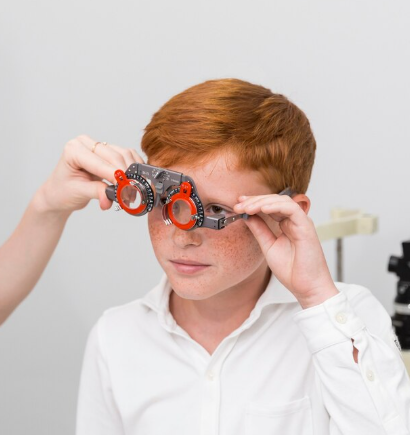
Treatment Overview
Astigmatism Correction in Korea is a next-generation, minimally invasive laser eye surgery widely performed in Korea to correct astigmatism, myopia (nearsightedness), and in some cases, hyperopia (farsightedness). This advanced technique reshapes the cornea by removing a tiny lens-shaped piece of tissue (lenticule) through a small incision, using a high-precision femtosecond laser.
Unlike LASIK, SMILE does not require the creation of a corneal flap, preserving more of the cornea’s natural structure and reducing flap-related risks. Korean eye clinics have adopted state-of-the-art AI-guided femtosecond laser platforms, corneal topography mapping, and wavefront-optimized ablation planning to ensure unmatched safety and accuracy for astigmatism correction.
The result is clear, stable, and comfortable vision correction with faster healing, minimal discomfort, and long-lasting outcomes—all delivered within Korea’s globally renowned ophthalmic care standards.
Purpose & Benefits
Purpose
- Correct astigmatism, myopia, and mild hyperopia using a flap-free, minimally invasive method.
- Preserve corneal biomechanical strength by avoiding flap creation.
- Provide precise, customized vision correction using AI and laser guidance.
- Deliver effective results with lower risk of dryness and structural complications.
Benefits
- Flap-Free Precision: No corneal flap means fewer surgical risks and stronger corneal stability.
- Reduced Dry Eye: Minimizes nerve disruption, leading to lower incidence of post-operative dryness.
- Minimally Invasive: Small incision (2–4 mm) allows quicker healing and less tissue trauma.
- Durable Results: Stable long-term correction of astigmatism and myopia with high predictability.
- Ideal for Active Lifestyles: Suitable for athletes and individuals in physically demanding professions.
- Enhanced Comfort: Less post-surgical irritation and faster return to normal activities.
Ideal Candidates
SMILE eye surgery in Korea is ideal for:
- Adults aged 18 or older with a stable prescription for at least one year.
- Individuals with myopia up to around -10.00 diopters and astigmatism up to -5.00 diopters.
- Patients with adequate corneal thickness and good overall eye health.
- Those who wish to avoid flap-related risks or are prone to dry eyes.
- Active individuals, including athletes and professionals seeking quick recovery and minimal downtime.
Possible Risks & Complications
While SMILE is considered very safe when performed by experienced Korean specialists, mild and temporary side effects may occur:
- Slight glare or halos around lights during the initial healing phase.
- Temporary dryness or mild discomfort.
- Subtle under- or over-correction, which can be fine-tuned later if necessary.
- Rare risks include inflammation or infection, minimized through sterile procedures and aftercare.
- Very low risk of corneal ectasia due to preservation of structural integrity.
Korean surgeons mitigate these risks with comprehensive pre-screening, AI-calibrated laser mapping, and advanced post-operative care regimens.
Techniques & Technology Used
Core Techniques
- Femtosecond Laser Lenticule Extraction: Precisely creates and removes a lenticule to reshape the cornea.
- AI-Driven Laser Planning: Utilizes personalized algorithms to map astigmatic correction with sub-micron accuracy.
- Corneal Topography & Wavefront Diagnostics: Ensures individualized, aberration-free correction.
- Minimally Invasive Incision: Typically 2–4 mm, eliminating the need for a corneal flap.
- Real-Time Eye Tracking: Maintains alignment accuracy throughout the procedure.
- Regenerative Healing Support: Korean clinics often include biologic eye drops and cooling therapy for faster recovery.
Treatment Process in Korea
Step-by-Step Workflow
- Comprehensive Pre-Operative Assessment: Includes refraction testing, corneal mapping, pachymetry, and tear-film analysis.
- Personalized Surgical Planning: AI-guided software creates a customized laser plan for precise astigmatism correction.
- Laser Procedure: The femtosecond laser forms and removes a lenticule through a tiny incision, reshaping the cornea.
- Protective Care: Eye drops and mild medications are applied; no stitches are required.
- Follow-Up Monitoring: Regular visits track healing, corneal clarity, and visual outcomes.
The entire procedure typically takes 15–20 minutes per eye, with most patients resuming light daily activities within 2–3 days.
Recovery & After-Care
After-Care Guidelines
- Use prescribed antibiotic, anti-inflammatory, and lubricating drops as directed.
- Avoid rubbing the eyes for at least one week.
- Wear sunglasses outdoors to protect from UV exposure.
- Refrain from swimming, saunas, or intense workouts for 1–2 weeks.
- Attend all follow-up appointments to monitor recovery.
Recovery Timeline
- Day 1–3: Mild light sensitivity and slight blurring; vision improves rapidly.
- Day 4–7: Functional vision typically restored; minimal discomfort remains.
- 2–4 Weeks: Vision stabilizes, with sharper contrast and clarity.
- 1–3 Months: Full recovery and long-term stability achieved.
Results & Longevity
Expected Results
- Clear, stable vision without glasses or contact lenses for most patients.
- Improved night vision and reduced glare compared to earlier laser methods.
- Minimal dryness and enhanced visual quality.
- Strong corneal integrity maintained for long-term safety.
Longevity
With precise patient selection and advanced technology, SMILE in Korea provides durable results lasting 10–20 years or more. Long-term follow-up studies in Korean clinics show high patient satisfaction and stable correction for both astigmatism and myopia.
Why Korea Is a Top Destination
Korea is a world leader in refractive eye surgery, combining high surgical volumes with the latest laser platforms and advanced diagnostic technology.
- Cutting-Edge Technology: Clinics employ femtosecond laser systems such as Zeiss VisuMax and AI-optimized planning.
- Expert Surgeons: Korean ophthalmologists are globally recognized for precision and expertise.
- Medical Tourism Infrastructure: English-speaking staff, transparent pricing, and convenient care packages for international patients.
- Affordability: Competitive pricing compared to Western countries with equal or higher clinical standards.
- Comprehensive Care: From pre-op testing to lifetime follow-up options, patient comfort and safety are prioritized.
Unique Korean Methods & Technology
- AI-Calibrated Femtosecond Laser Planning
- Wavefront and Topography-Guided Diagnostics
- Biologic Regenerative Eye Drop Therapy
- Cooling and Oxygen-Enhanced Recovery Protocols
- Micro-Incision Technique Preserving Corneal Strength
- High-Definition Visual Analytics for Astigmatism Precision
These innovations ensure Korea remains a global hub for advanced, flap-free refractive surgery.
Cost Range
Prices for SMILE Eye Surgery in Korea typically vary by clinic, technology, and included care packages:
| Treatment Package | Price (KRW) | Approx. USD | Inclusions |
|---|---|---|---|
| Standard SMILE Laser Correction | ₩2,200,000 – ₩3,200,000 | ~$1,600 – ~$2,400 | Basic astigmatism and myopia correction with standard aftercare. |
| Advanced “SMILE PRO” Package | ₩3,200,000 – ₩4,500,000 | ~$2,400 – ~$3,300 | AI-guided laser mapping, faster laser speed, enhanced recovery protocols. |
| Premium Regenerative SMILE Package | ₩4,500,000 – ₩6,000,000+ | ~$3,300 – ~$4,400+ | Biologic healing support, oxygen therapy, lifetime follow-up, and upgraded diagnostic systems. |
Actual prices depend on clinic, surgeon, and package details.
Popular Clinics in Korea
- BGN Eye Clinic (Seoul): Specializes in advanced refractive procedures for international patients.
- B&VIIT Eye Clinic (Gangnam): Known for AI-driven laser precision and premium patient care.
- Gangnam Bright Smile Eye Clinic (Seoul): Offers SMILE and SMILE PRO procedures with advanced comfort and healing systems.
- Glory Seoul Eye Clinic: Recognized for customized treatment planning and postoperative care for astigmatism patients.


