
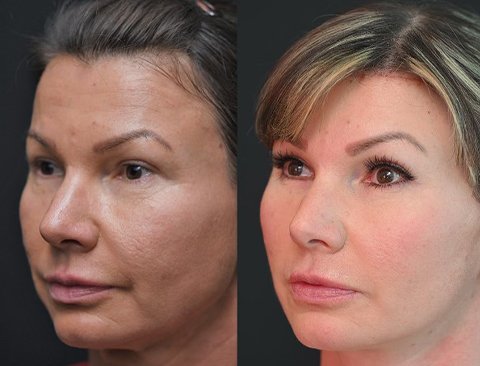
Treatment Overview
Autologous fat grafting, also known as fat transfer or lipofilling, is a cosmetic procedure that involves harvesting fat from one part of the body—typically the abdomen, thighs, or flanks—and transferring it to areas that need volume or contour improvement, such as the face, breasts, buttocks, or hands. The procedure is minimally invasive, using liposuction techniques to extract fat, which is then purified and strategically reinjected.
Purpose & Benefits
The primary benefit of autologous fat grafting is that it uses the patient’s own tissue, reducing the risk of allergic reactions or rejection. It offers a dual benefit: contouring the donor area while enhancing the recipient site. Fat grafting provides natural-looking results and can improve skin texture and elasticity, especially when combined with stem cell or PRP techniques. This method is ideal for those seeking subtle, natural enhancement without synthetic fillers or implants.
Ideal Candidates
Autologous fat grafting is best suited for individuals in good overall health who have adequate donor fat available. It’s a suitable option for those looking to restore volume lost due to aging, reshape facial features, or enhance areas such as the breasts or buttocks naturally. Ideal candidates should have realistic expectations and be committed to maintaining a stable weight post-surgery for optimal results.
Possible Risks & Complications
While considered safe, fat grafting does carry some risks. Common side effects include swelling, bruising, and temporary discomfort at the donor and recipient sites. Complications can include fat reabsorption, contour irregularities, asymmetry, cyst formation, infection, or injury to underlying tissues. In rare cases, fat embolism can occur if the procedure is performed improperly, emphasizing the importance of choosing a skilled and experienced surgeon.
Surgical Techniques Used
Korean plastic surgery clinics use some of the most advanced techniques globally. Fat is extracted using gentle liposuction methods such as water-jet-assisted liposuction (Harvest-Jet), ensuring minimal damage to fat cells. Purification is done using closed systems like Lipokit, Sceldis, or SmartPrep2, which enhance fat survival by filtering out impurities. Clinics also use microfat and nanofat grafting for refined areas like the under-eyes or lips. Many Korean surgeons incorporate adult stem cells or PRP to increase fat viability and promote skin rejuvenation.
Recovery & Aftercare
Recovery from fat grafting typically involves minor swelling and bruising, which subside within 1 to 2 weeks. Patients can usually return to light daily activities within a few days. Aftercare includes wearing compression garments on donor areas, avoiding excessive pressure on the grafted site, and attending follow-up appointments. Clinics may also provide lymphatic massage, supplements, and specialized skin treatments to enhance results and retention.
Results & Longevity
Results are visible within a few weeks, with final outcomes apparent after 2 to 3 months once swelling subsides and the grafted fat settles. While a portion of the transferred fat is naturally reabsorbed by the body (usually 20–40%), the fat that survives remains permanently. Stem cell-enriched or PRP-assisted fat grafting can improve retention rates and skin quality, making the results more long-lasting and natural in appearance. Secondary touch-up sessions may be required for optimal outcomes.
Treatment Process in Korea
Korea is a global hub for cosmetic surgery, known for its combination of innovation, precision, and affordability. Clinics in Seoul and other cities offer state-of-the-art technology such as Lipokit systems, stem-cell enrichment, and 3D facial mapping. Procedures are performed by highly trained surgeons who specialize in aesthetic symmetry and natural outcomes. Clinics focus on both functionality and beauty, often tailoring fat grafting procedures based on facial or body analysis unique to Korean surgical philosophies.
Korean clinics also emphasize sterile, enclosed systems for fat processing, which reduce infection risk and improve fat survival. These advancements, along with supportive medical tourism infrastructure, make Korea a leading destination for fat grafting. International patients benefit from English-speaking coordinators, customized treatment plans, and world-class post-op care.
Cost Range
Fat grafting procedures in Korea are generally more affordable than in Western countries while maintaining high standards of safety and aesthetics.
- Facial fat grafting typically costs between ₩2,000,000 and ₩5,000,000 (approx. $1,500–$3,800 USD).
- Localized treatments like under-eye fat transfer cost around ₩1,200,000 to ₩2,500,000 (approx. $900–$1,900).
- Breast or buttock fat grafting ranges from ₩6,000,000 to ₩14,000,000 (approx. $4,600–$10,800+).
- Advanced options like stem cell-enriched grafting can cost ₩5,000,000 to ₩10,000,000+ ($3,800–$7,700+).
Additional expenses may include pre-surgery consultations, anesthesia, post-op garments, translator services, and accommodations.
Popular Clinics
Several top clinics in South Korea are recognized for their expertise in autologous fat grafting:
- Wonjin Plastic Surgery: Known for comprehensive body and facial fat grafting, including stem-cell options.
- Lienjang Clinic: Offers advanced 5D fat grafting with a personalized and regenerative approach.
- Opera Plastic Surgery: Specializes in cost-effective yet high-quality fat grafting procedures.
- Faceplus Clinic: Popular for facial enhancement and under-eye grafting using advanced techniques.
- ID Hospital & Banobagi Clinic: Renowned for their premium service and high volume of international patients.
These clinics often cater to medical tourists and provide multilingual support, airport pickup, recovery care, and concierge services to ensure a smooth experience.


