
Treatment Overview
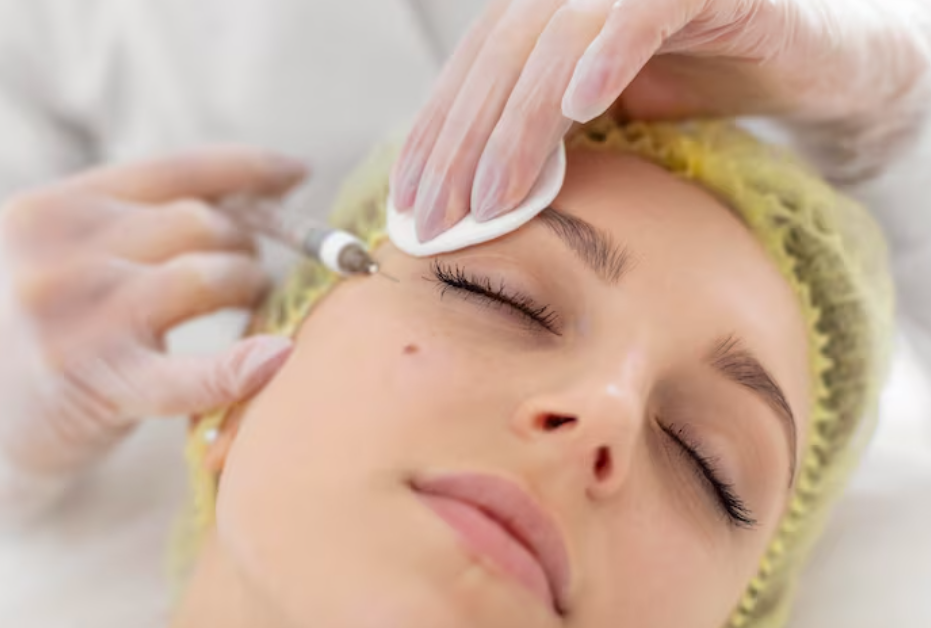
Baby Face Botox involves injecting diluted botulinum toxin into the superficial layers of the skin rather than deep into the muscles. This creates a skin-smoothing, pore-tightening, and rejuvenating effect, while still allowing normal facial movements.
The treatment is often combined with other Korean dermatology anti-aging procedures—such as skin boosters, laser toning, or cryo facials—for enhanced results.
Purpose and Benefits
- Fine Line Softening: Smooths tiny wrinkles around the eyes, forehead, and mouth.
- Pore Tightening: Reduces pore size for a polished, baby-smooth texture.
- Skin Refinement: Improves tone, texture, and elasticity.
- Sebum Control: Helps regulate oil production, reducing shine and acne breakouts.
- Radiance Boost: Restores a fresh, youthful glow associated with Korean “glass skin.”
- Natural Results: Maintains normal expressions while subtly enhancing appearance.
Ideal Candidates
- Adults in their late 20s to 40s beginning to notice early aging signs.
- Individuals with fine lines, enlarged pores, or rough skin texture.
- Patients who want preventive anti-aging treatments before deep wrinkles form.
- Those with oily skin or acne-prone skin seeking oil-control benefits.
- Anyone seeking natural, subtle rejuvenation without surgery.
Possible Risks and Complications
- Mild redness, swelling, or bruising at injection sites.
- Temporary tightness or minor discomfort.
- Rare risks include uneven results or mild allergic reactions.
- Very safe when performed by licensed dermatologists in Korea.
Surgical Techniques Used
- Micro-Injections: Botox is diluted and injected into the dermis using fine needles.
- Baby-Dose Toxin: Smaller, gentler doses compared to traditional Botox for subtle refinement.
- Full-Face Coverage: Targeting cheeks, forehead, chin, and nose to reduce pores and fine lines.
- Customized Approach: Adjusted based on skin type, oil levels, and aging signs.
- Combination Care: May be paired with laser toning, skin boosters, or cryotherapy for optimal anti-aging.
Recovery and Aftercare
- Immediately After: Mild redness or pinprick marks that fade within hours to a day.
- One to Three Days: Skin feels smoother and tighter.
- One to Two Weeks: Full results appear—pores shrink, fine lines soften, and skin glows.
- Downtime: Minimal, most patients resume activities the same day.
Aftercare Tips:
- Avoid alcohol, saunas, and intense exercise for 24 hours.
- Do not massage or press on treated areas.
- Apply sunscreen daily to protect results.
- Hydrate well to maintain a fresh look.
Results and Longevity
- Immediate: Skin feels fresher and more refined within days.
- Short-Term (Two to Four Weeks): Visible reduction in pores, oil production, and fine lines.
- Medium-Term (Three to Six Months): Youthful glow and smoothness last with maintenance sessions.
- Long-Term: Consistent sessions help prevent deeper wrinkle formation and maintain baby-like skin texture.
Treatment Process in Korea
- Consultation and Skin Analysis
Dermatologist evaluates pore size, fine lines, and oil levels. - Preparation
Topical numbing cream applied for comfort. - Micro-Injection Session
Diluted Botox injected into multiple superficial points across the face. - Soothing Care
Cooling mask or cryo device may be applied to calm the skin. - Finishing Care
Moisturizer and SPF applied before leaving the clinic. - Follow-Up
Maintenance treatments typically scheduled every 3–6 months.
Why Korea is a Top Destination
- Korean dermatologists pioneered Baby Botox and skin Botox techniques.
- Clinics emphasize subtle, natural results over artificial stiffness.
- Integration with other K-Beauty treatments (skin boosters, lasers, cryo facials).
- Costs are more affordable than in Western countries while maintaining luxury service.
- Internationally friendly clinics with English-speaking dermatologists.
Cost Range
The price of Baby Face Botox in Korea varies by clinic reputation, product brand, and number of injection sites.
- Partial Face Treatment (forehead or cheeks only): USD 100 to 180
- Full Baby Botox Session (entire face micro-injections): USD 200 to 400
- Premium Anti-Aging Program (Baby Botox plus skin boosters or laser): USD 500 to 900
- Three-Session Packages: USD 800 to 1500 total
- Luxury Anti-Aging Packages: USD 2000 to 3000, including Baby Botox combined with advanced rejuvenation protocols
Additional Costs
- Dermatology consultation: USD 20 to 50
- Aftercare products (hydrating serums, pore-tightening creams, SPF): USD 50 to 150
Popular Clinics in Korea
- Gangnam Dermatology Clinics – Leaders in Baby Botox and skin-refining injections.
- Banobagi Dermatology Seoul – Premium anti-aging Baby Botox protocols.
- Oracle Skin Clinic Nationwide – Affordable, foreigner-friendly Botox treatments.
- View Clinic Seoul – Combines Baby Botox with lasers and skin boosters.
- Chaum Wellness Center Seoul – Luxury dermatology and holistic anti-aging programs.


