
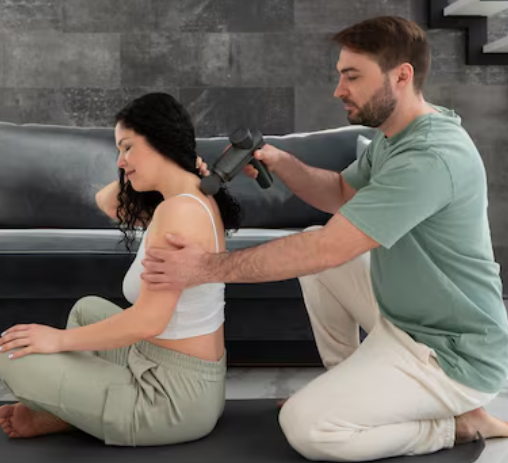
Treatment Overview
Balance Chuna Alignment Therapy is a specialized Korean manual therapy designed to realign the body’s skeletal and muscular structure after childbirth. Derived from Chuna Manual Medicine—a traditional Korean therapeutic technique that combines chiropractic principles with Oriental medicine—this therapy focuses on correcting pelvic misalignment, relieving pain, and restoring balance throughout the body.
During pregnancy and delivery, a woman’s pelvis, spine, and joints naturally shift to accommodate childbirth. These changes often lead to imbalances, discomfort, and posture issues. In Korea, Balance Chuna Alignment Therapy is widely offered as part of postpartum care programs to help new mothers recover physical stability, relieve tension, and restore natural body alignment safely and effectively.
Purpose & Benefits
The main purpose of Balance Chuna Alignment Therapy is to correct postural and musculoskeletal imbalances caused by pregnancy and delivery. Major benefits include:
- Pelvic Realignment: Restores the pelvis to its natural position after childbirth, improving body symmetry and stability.
- Pain Relief: Alleviates back, hip, neck, and shoulder pain caused by misalignment and muscular tension.
- Improved Posture: Corrects posture changes developed during pregnancy and enhances body balance.
- Enhanced Circulation: Promotes healthy blood flow and reduces swelling in the lower body.
- Core Strength Restoration: Rebuilds abdominal and pelvic strength for better support and posture.
- Joint Flexibility and Mobility: Reduces stiffness and improves range of motion.
- Long-Term Body Wellness: Prevents chronic pain, spinal issues, and posture-related fatigue.
Ideal Candidates
Balance Chuna Alignment Therapy is ideal for:
- Mothers experiencing back, hip, or pelvic pain after childbirth.
- Women with posture imbalance or difficulty maintaining proper alignment.
- Individuals who delivered via vaginal birth or C-section and wish to recover structural balance.
- Those with discomfort or limited mobility due to pelvic misalignment.
- Mothers seeking a non-surgical, holistic approach to postpartum recovery.
The therapy can generally begin four to six weeks after childbirth, once medical clearance has been received.
Possible Risks & Complications
When performed by certified Korean medicine doctors or licensed therapists, Chuna Alignment Therapy is safe and gentle. However, mild effects may occur:
- Temporary muscle soreness or slight stiffness after treatment.
- Minor fatigue as the body adjusts to new alignment.
- Dizziness or tenderness if therapy intensity is too strong for early postpartum recovery.
- Women with unhealed incisions or severe back injuries should delay treatment until fully recovered.
All sessions are customized to each mother’s condition and recovery stage to ensure safety and comfort.
Techniques Used
Korean postpartum centers and women’s health clinics use advanced Chuna therapy methods that combine traditional and modern techniques. Common approaches include:
- Manual Adjustment: Gentle realignment of the spine, pelvis, and joints to restore proper body balance.
- Soft Tissue Manipulation: Relaxation of tense muscles and fascia surrounding the pelvic and spinal areas.
- Joint Mobilization: Subtle stretching and movement to improve flexibility and relieve stiffness.
- Meridian Pressure and Massage: Focused stimulation of key energy pathways to release tension and promote circulation.
- Breathing and Posture Guidance: Teaching correct posture, breathing, and movement patterns to maintain results.
- Heat or Thermal Therapy: Application of warmth to relax muscles and enhance the effectiveness of manual adjustments.
The combination of modern rehabilitation principles and traditional Korean alignment techniques makes Chuna Therapy highly effective for postpartum care.
Recovery & Aftercare
After each session, the body continues to adapt to its corrected alignment. Post-treatment care recommendations include:
- Resting for 15–30 minutes after the session to allow muscles to adjust.
- Drinking warm water to support circulation and detoxification.
- Avoiding strenuous physical activity or lifting heavy objects immediately after therapy.
- Maintaining proper posture during daily activities such as feeding or carrying the baby.
- Practicing light stretching or pelvic exercises as instructed by the therapist.
Most postpartum care programs recommend two to three sessions per week initially, then gradually reducing frequency as alignment stabilizes.
Results & Longevity
With consistent Balance Chuna Alignment Therapy, mothers experience both short-term relief and long-lasting improvements. Common results include:
- Noticeable reduction in pain and tension.
- Improved posture and pelvic stability.
- Enhanced mobility and flexibility.
- Restored strength in the lower back and core.
- Greater physical comfort and overall well-being.
Results are often visible after a few sessions, and long-term benefits can be maintained through good posture, stretching, and regular follow-up treatments.
Treatment Process in Korea
- Comprehensive Assessment: A postpartum care specialist evaluates pelvic position, spinal alignment, and muscle balance.
- Personalized Treatment Plan: A customized program is developed based on body structure, delivery method, and recovery goals.
- Chuna Adjustment Session: Gentle manual techniques are applied to correct misalignments and restore structural balance.
- Soft Tissue Release and Massage: Relieves muscular tension and improves circulation.
- Postural Training: Guidance on maintaining healthy posture during daily activities and childcare.
- Progress Evaluation: Regular assessments ensure the treatment is effectively improving alignment and comfort.
Korea’s postpartum care facilities are recognized for their precision, safety, and holistic approach to Chuna therapy, providing mothers with exceptional care during recovery.
Cost Range
The cost of Balance Chuna Alignment Therapy in Korea depends on the clinic, therapist expertise, and program duration:
- Individual sessions: approximately ₩100,000 to ₩250,000 (USD $75–$190).
- Multi-session postpartum packages: around ₩2,000,000 to ₩4,000,000 (USD $1,500–$3,000).
- Premium care programs: combining Chuna Therapy with massage, pelvic realignment, and herbal treatments can cost ₩5,000,000 or more (USD $3,700+).
Packages generally include consultation, treatment sessions, and follow-up care.
Popular Considerations
- Begin treatment only after medical clearance from your OB/GYN.
- Choose licensed Korean medicine practitioners trained in postpartum Chuna therapy.
- Inform your therapist about cesarean scars or pre-existing back issues.
- Maintain good posture, hydration, and proper rest after each session.
- Combine Chuna Therapy with pelvic rehabilitation or fascia release for complete postpartum balance.
- International mothers can access professional postpartum care centers in Korea offering customized programs and multilingual support.


