
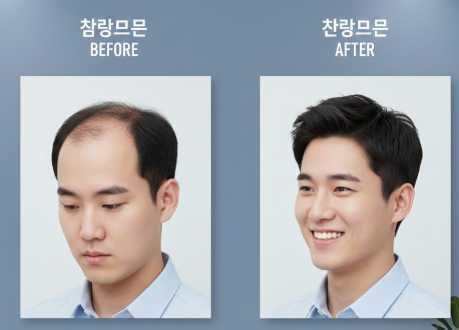
Treatment Overview
Male pattern baldness, or androgenetic alopecia, affects a significant portion of men worldwide. Finasteride Therapy has become one of the most effective medical treatments for this condition. In Korea, Finasteride is prescribed in carefully monitored clinical programs that combine precise diagnostics, advanced technology, and personalized treatment strategies.
Finasteride works by inhibiting the enzyme 5-alpha-reductase, which converts testosterone into dihydrotestosterone (DHT). High DHT levels in the scalp are the primary cause of hair follicle miniaturization, leading to thinning and eventual baldness. Korean clinics provide both oral and topical formulations, allowing patients to choose the approach that best suits their lifestyle and sensitivity levels.
Purpose & Benefits
The primary purpose of Finasteride Therapy is to prevent further hair loss and promote hair regrowth in affected areas. The benefits of Finasteride, particularly in Korean clinical settings, include:
- Reduction in hair shedding: Significantly slows hair loss progression.
- Increased hair density: Improves thickness of existing hair.
- Strengthened hair follicles: Reverses follicle miniaturization.
- Targeted scalp treatment: Addresses crown, vertex, and frontal scalp regions.
- Enhanced confidence: Aesthetic improvement boosts self-esteem.
- Long-term maintenance: Helps maintain hair health after a hair transplant.
Korean clinics often enhance these benefits by integrating Finasteride with complementary therapies like Minoxidil, PRP, or laser scalp therapy.
Ideal Candidates
Finasteride Therapy is recommended for:
- Men experiencing early to moderate androgenetic alopecia
- Patients with thinning primarily at the crown or vertex
- Individuals seeking non-surgical hair restoration options
- Post-hair transplant patients looking for maintenance therapy
- Men with a family history of hair loss
Korean dermatologists also consider lifestyle, age, and hormonal profile before prescribing therapy to ensure optimal results.
Possible Risks & Complications
Although generally safe, Finasteride may cause side effects in some patients. Common risks include:
- Reduced libido (rare and usually reversible)
- Mild erectile dysfunction
- Decreased semen volume
- Breast tenderness (extremely rare)
- Mood changes (rare)
Korean clinics minimize these risks through detailed patient screening, hormone assessments, and regular follow-ups. For sensitive patients, topical finasteride is often recommended to reduce systemic exposure.
Techniques & Technology Used
Korean clinics are at the forefront of hair-loss treatment technology, offering:
- Digital scalp imaging for follicle analysis
- AI-powered trichoscopy to monitor hair density and growth
- Customized dosing for oral and topical Finasteride
- Combination therapy programs with Minoxidil, laser therapy, or PRP
- Topical micro-encapsulation technology to reduce systemic absorption
This integration of technology ensures precise monitoring, personalized treatment, and faster results.
Treatment Process in Korea
- Initial Consultation: Dermatologists assess scalp condition, hair density, and medical history.
- Scalp Diagnosis: High-resolution imaging and follicle mapping identify thinning areas.
- Personalized Treatment Plan: Oral or topical Finasteride is prescribed, sometimes with combination therapies.
- Regular Monitoring: Follow-ups every 1–3 months to track progress.
- Long-Term Maintenance: Ongoing therapy and supportive treatments maintain results.
Korean clinics emphasize patient education throughout the process, making the treatment easy to understand for first-time users.
Recovery & After-Care
Finasteride requires no surgical recovery. Recommended after-care includes:
- Consistent daily use of prescribed medication
- Following the clinic’s nutritional and lifestyle guidance
- Maintaining scalp hygiene and avoiding harsh chemicals
- Monitoring for side effects and reporting immediately
- Complementing treatment with laser therapy or PRP if advised
Korean clinics often provide at-home scalp care kits to maximize the therapy’s effectiveness.
Results & Longevity
Hair regrowth and density improvement typically occur gradually.
- 2–3 months: Reduced shedding
- 4–6 months: Early thickening
- 6–12 months: Noticeable hair density improvements
- 12–18 months: Peak results
Long-term results depend on treatment adherence. Korea’s structured follow-up programs ensure patients continue therapy and maintain hair health over the years.
Why Korea Is a Top Destination
Korea is globally renowned for advanced hair-loss treatments due to:
- Specialized dermatologists with expertise in hair restoration
- State-of-the-art diagnostic technology
- Safe and effective pharmaceutical options
- Affordable treatment compared to Western countries
- Multilingual support for medical tourists
- Integration of Finasteride therapy with PRP, lasers, and regenerative treatments
The combination of expertise, technology, and affordability makes Korea ideal for international patients seeking Finasteride therapy.
Cost Range
Treatment costs vary depending on the formulation and combination therapies:
- Oral Finasteride: $15–$40 per month
- Topical Finasteride: $25–$80 per bottle
- Combination programs (Finasteride + PRP/laser): $200–$600 per month
- Consultation & scalp diagnosis: $20–$80
Korean clinics provide clear cost breakdowns and package options for medical tourists.
Popular Clinics in Korea
Leading clinics for Finasteride therapy include:
- Motion Clinic
- Dr. For Hair Clinic
- Mojelim Hair Clinic
- Gwangnam Dermatology
- Girin Dermatology
- Dana Dermatology
- Regen Dermatology
These clinics offer precise diagnostics, authentic medication, and personalized treatment programs for local and international patients.


