
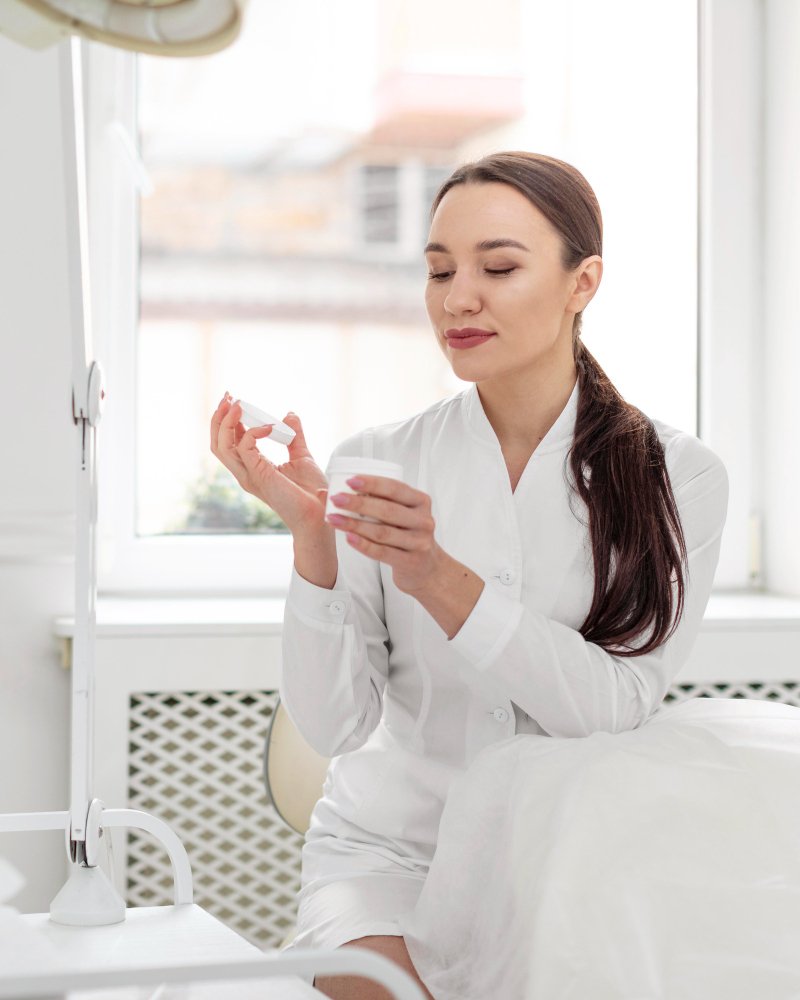
Peptide therapy is one of the most sought-after wellness and anti-aging treatments today—boosting skin health, metabolism, energy, and immune function. And when it comes to high-quality, medically advanced peptide therapy, South Korea has emerged as a global leader.
With its world-class clinics, cutting-edge technology, and personalized protocols, Korea offers a premium experience for international patients. But where exactly should you go for the best treatment?
Here’s a breakdown of the top Korean cities for medical tourists seeking peptide therapy—each offering a unique blend of medical excellence, cultural richness, and traveler convenience.
1. Seoul – The Medical Tourism Capital of Korea
Why It’s #1:
Seoul is not just the capital of South Korea—it’s the epicenter of medical innovation in Asia. This bustling metropolis is home to the highest concentration of anti-aging and regenerative clinics, especially in upscale areas like Gangnam, Apgujeong, and Sinsa-dong.
What Makes Seoul Ideal:
- Access to elite, internationally accredited clinics specializing in peptide, stem cell, and hormone therapies
- English-speaking staff and medical coordinators experienced in serving global patients
- Custom treatment packages that combine peptides with skincare, IV drips, and aesthetic procedures
- Proximity to top luxury hotels, premium shopping, and tourist attractions
- Frequent airport transfers and concierge services for medical tourists
Who It’s Best For:
- First-time medical tourists
- High-end wellness seekers
- Those combining beauty and medical treatments
2. Busan – Coastal Wellness Meets Urban Comfort
Why It’s Popular:
Busan, Korea’s second-largest city, offers a more relaxed, coastal environment while still delivering high-quality medical care. It’s increasingly popular among medical tourists who want to combine recovery with ocean views and fresh air.
What Makes Busan Ideal:
- A growing number of anti-aging and functional medicine clinics
- More tranquil and less crowded than Seoul—perfect for recovery
- Clinics near Haeundae Beach and Centum City, offering wellness in scenic surroundings
- Excellent seafood, spas, and beachside cafes to support relaxation
Who It’s Best For:
- Tourists who value a slower pace and natural setting
- Post-surgery recovery patients
- Repeat visitors to Korea looking beyond Seoul
3. Daegu – A Rising Hub for Regenerative Medicine
Why It’s on the Map:
Daegu is a lesser-known gem in Korea’s medical tourism scene. Known for its concentration of biotech companies and wellness hospitals, Daegu has been investing in regenerative medicine—including peptide therapy and bio-identical hormone optimization.
What Makes Daegu Ideal:
- Access to academic medical centers focused on integrative health
- Clinics with expertise in anti-aging, orthopedics, and post-surgery recovery
- Lower treatment costs compared to Seoul and Busan
- A more traditional Korean cultural experience, with authentic markets and historical sites
Who It’s Best For:
- Long-stay medical tourists
- Those interested in scientific, clinical-grade care
- Travelers seeking a budget-friendly yet professional experience
4. Incheon – Convenience and Comfort Near the Airport
Why It’s Practical:
Incheon is home to Korea’s largest international airport, making it an extremely convenient choice for short-term visitors or transit travelers seeking medical treatment before flying home.
What Makes Incheon Ideal:
- Quick access from Incheon International Airport—ideal for 3–5 day treatments
- Several reputable peptide clinics with short-stay recovery packages
- Proximity to the scenic Songdo district, known for its futuristic skyline and eco-friendly spaces
- Often lower-priced packages due to less tourist saturation
Who It’s Best For:
- Travelers on a tight schedule
- Transit visitors combining a layover with therapy
- Budget-conscious tourists seeking basic but effective care
5. Jeju Island – Wellness in Nature’s Paradise
Why It’s Unique:
Jeju Island is renowned as Korea’s top vacation spot, but it’s also home to several luxury wellness resorts and medical spas offering peptide-based longevity programs. The natural setting is ideal for restorative recovery.
What Makes Jeju Ideal:
- Luxury wellness retreats offering integrated peptide, detox, and spa treatments
- Peaceful natural environment: volcanic springs, forests, beaches
- Ideal for post-treatment recovery or rejuvenation retreats
- Opportunities for hiking, meditation, and clean-air relaxation
Who It’s Best For:
- Wellness tourists combining medical and holistic therapies
- Burnout recovery patients
- Couples or groups looking for a healing getaway
Summary Table: Best Korean Cities for Peptide Therapy
| City | Best For | Highlights |
|---|---|---|
| Seoul | First-timers, luxury seekers | Flagship clinics, high customization, major tourist hub |
| Busan | Recovery, relaxation | Coastal views, beachside wellness, tranquil vibe |
| Daegu | Scientific approach, affordability | Biotech focus, local experience |
| Incheon | Short stays, quick access | Airport convenience, efficient care |
| Jeju | Wellness retreats, nature lovers | Resort-style healing, serene environment |
Final Thoughts
No matter your goals—anti-aging, weight loss, energy optimization, or post-op recovery—South Korea offers a destination to match your wellness needs and travel preferences. From the vibrant city clinics of Seoul to the peaceful retreats of Jeju, each location has its strengths.
Medical tourism for peptide therapy in Korea isn’t just about treatment—it’s about transformation, comfort, and care. Choose the right city, and your trip becomes more than a medical visit—it becomes a rejuvenating life experience.


