
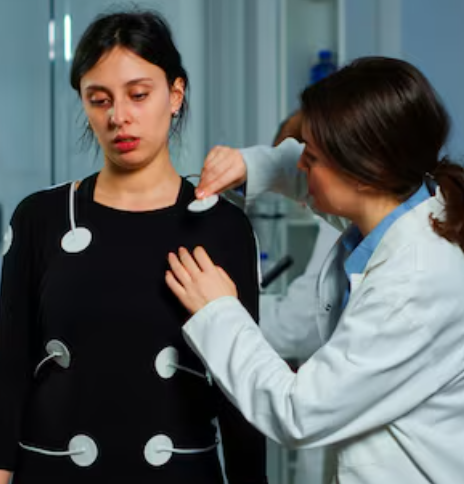
Treatment Overview
BioPelvic EMS Functional Stimulation Therapy is a non-invasive pelvic-floor rehabilitation technique that uses low-frequency electrical or electromagnetic impulses to stimulate deep pelvic muscles responsible for bladder, urethral, and vaginal support.
In South Korea, this therapy is offered in advanced OBGYN and uro-gynecology centers as part of a comprehensive pelvic-floor rehabilitation program. The treatment helps women regain control over involuntary urine leakage caused by weak or uncoordinated pelvic-floor muscles — a condition known as stress urinary incontinence.
Patients typically sit comfortably on a specialized EMS chair or use a vaginal probe that delivers controlled stimulation, inducing thousands of muscle contractions per session. These contractions strengthen and retrain the pelvic floor, enhancing neuromuscular control without surgery or downtime.
Purpose & Benefits
Purpose:
- Strengthen weakened pelvic-floor muscles to restore support to the urethra and bladder.
- Improve voluntary muscle control, endurance, and coordination.
- Reduce or eliminate urine leakage during physical activity, coughing, or sneezing.
- Serve as a conservative, first-line or adjunct therapy before considering surgical options.
Benefits:
- Completely non-invasive and painless, with no anesthesia required.
- Suitable for women unable to perform effective Kegel exercises independently.
- Improves bladder control, vaginal tone, and pelvic-floor muscle strength.
- Enhances sexual health and overall pelvic stability.
- Can be combined with other rehabilitation modalities such as biofeedback or manual therapy.
- Short treatment duration (20-30 minutes) and immediate return to daily activities.
Ideal Candidates
This therapy is best suited for:
- Women experiencing mild to moderate stress urinary incontinence.
- Postpartum women with weakened pelvic-floor muscles after childbirth.
- Perimenopausal and postmenopausal women suffering from hormonal muscle atrophy.
- Women who struggle with traditional Kegel training or prefer non-surgical options.
- Individuals with early signs of pelvic-organ laxity or mild prolapse.
- Patients seeking preventive strengthening after childbirth or pelvic surgery.
Candidates with severe SUI, significant prolapse, or structural defects may require surgical intervention; however, BioPelvic EMS can serve as pre- or post-surgical muscle training to enhance outcomes.
Possible Risks & Complications
Although the procedure is considered safe, minor side effects may include:
- Temporary muscle soreness or mild pelvic fatigue.
- Slight warmth, tingling, or contraction sensation during therapy.
- Rare skin or mucosal irritation from internal electrodes or prolonged sessions.
- Inadequate results if performed without regular maintenance or concurrent lifestyle adjustments.
- Minimal effectiveness in severe anatomical defects where surgical support is required.
Clinics in Korea emphasize patient safety through certified specialists, device calibration, and strict hygiene protocols.
Techniques Used
Korean clinics employ several modalities within BioPelvic EMS therapy:
- Electromagnetic Stimulation Chair: Patients sit clothed while high-intensity focused electromagnetic (HIFEM) pulses activate deep pelvic muscles, generating supramaximal contractions impossible through voluntary effort.
- Vaginal Probe EMS: Low-frequency electrical stimulation through internal electrodes recruits targeted pelvic muscle fibers, often combined with biofeedback for enhanced muscle awareness.
- Integrated Rehabilitation Protocol: Combines EMS with manual therapy, posture correction, and guided pelvic-floor exercises to optimize muscle re-education.
- Functional Biofeedback Monitoring: Monitors muscle response and contraction strength, ensuring precise control during therapy.
These technologies reflect Korea’s investment in advanced women’s health rehabilitation, offering personalized treatment plans based on pelvic-floor assessment and urodynamic testing.
Recovery & Aftercare
Recovery:
- No downtime; normal activities can resume immediately.
- Mild pelvic soreness may occur temporarily.
- No post-procedure restrictions on bathing, sexual activity, or exercise unless otherwise instructed.
Aftercare Guidelines:
- Complete the full course: typically 6–10 sessions, one to two times weekly.
- Maintain pelvic-floor exercises between sessions to reinforce results.
- Adopt lifestyle changes: maintain healthy weight, avoid chronic cough, manage constipation, and practice proper posture.
- Schedule follow-up evaluations to measure muscle strength improvement and urinary control.
- Continue maintenance sessions every few months for long-term effectiveness.
Results & Longevity
Results:
- Noticeable improvement often occurs after several sessions; many patients report reduced leakage within the first month.
- Enhanced pelvic muscle tone, stronger bladder control, and improved confidence in daily life.
- May also enhance vaginal tightness and sexual satisfaction as a secondary benefit.
Longevity:
- With consistent follow-up and home exercise, results can last 12 to 18 months or longer.
- Maintenance therapy ensures sustained pelvic strength and prevention of recurrence.
- Patients with good muscle compliance and healthy lifestyle habits achieve the most durable outcomes.
Treatment Process in Korea
Why Korea is a Top Destination:
- Korea is internationally recognized for cutting-edge pelvic-floor and uro-gynecologic care integrating technology, aesthetics, and functional medicine.
- Clinics offer advanced EMS devices developed through Korean medical engineering, often combining RF, HIFEM, and biofeedback systems for optimal outcomes.
- Many centers provide personalized pelvic-floor mapping, EMG analysis, and lifestyle coaching as part of holistic women’s health programs.
- Multilingual staff and structured medical-tourism systems cater to international patients with translation, accommodation, and follow-up coordination.
- Strong governmental oversight and rigorous safety standards maintain Korea’s reputation for high-quality care.
Typical Process:
- Initial Consultation: Pelvic-floor assessment by a certified OB/GYN or uro-gynecologist including muscle testing and ultrasound if needed.
- Treatment Planning: Personalized session plan based on SUI severity, muscle strength, and patient goals.
- Therapy Sessions: Patient sits on EMS chair or uses internal probe; stimulation cycles induce controlled contractions for 20-30 minutes.
- Monitoring: Specialists observe contraction frequency and adjust intensity for comfort and effectiveness.
- Follow-Up: Regular progress evaluation; results typically assessed after 4–6 weeks.
- Maintenance: Periodic booster sessions or integration with other non-surgical pelvic-floor therapies such as radiofrequency or laser toning for comprehensive wellness.
Unique Korean Methods & Technology:
- Use of advanced high-intensity focused EMS chairs designed for deep pelvic-floor stimulation.
- Combination protocols pairing EMS with radiofrequency for muscle strengthening and tissue rejuvenation.
- Integration with diagnostic imaging to visualize muscle recruitment and track rehabilitation progress.
- Inclusion of physiotherapy, posture correction, and nutritional counseling to enhance pelvic stability and prevent relapse.
Cost Range (Details)
The average cost of BioPelvic EMS Functional Stimulation Therapy in Korea varies by clinic type and package:
- Per Session: ₩ 70,000 – 150,000 KRW (≈ US $50 – 110).
- Full Treatment Package (8–10 Sessions): ₩ 700,000 – 1,200,000 KRW (≈ US $520 – 900).
- Comprehensive Rehabilitation Programs with biofeedback and manual therapy can range ₩ 1,500,000 – 2,500,000 KRW (≈ US $1,100 – 1,900).
- Additional evaluations such as pelvic EMG or ultrasound may add ₩ 200,000 – 400,000 KRW.
Prices remain competitive compared to Western medical markets while maintaining high standards of technology and professional expertise.
Popular Clinics in Korea
- Leading women’s hospitals in Seoul specializing in uro-gynecology and pelvic-floor rehabilitation.
- Premium Gangnam-based OBGYN centers integrating EMS, biofeedback, and manual therapy in luxury clinical settings.
- Specialized postpartum rehabilitation clinics focusing on pelvic-floor restoration and urinary incontinence recovery.
- Advanced medical tourism centers providing full-service pelvic-floor therapy programs for international patients.
- Women-exclusive wellness clinics offering holistic pelvic-floor and intimate-health programs combining EMS, HIFEM, and laser technologies.


