
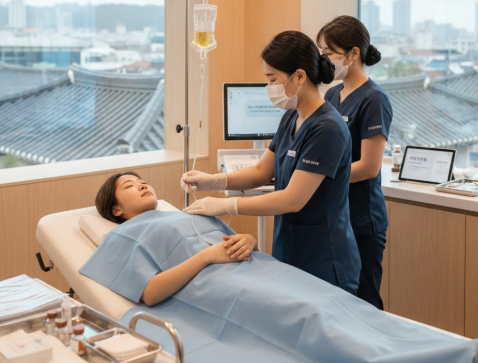
Treatment Overview
Bladder instillation therapy is a minimally invasive treatment for patients with Interstitial Cystitis (IC), painful bladder syndrome, or chronic bladder inflammation. The procedure involves directly instilling therapeutic solutions into the bladder to reduce inflammation, relieve pain, and improve bladder function.
In Korea, specialized urology centers provide advanced bladder instillation programs for both domestic and international patients, combining this therapy with medication, behavioral interventions, and pelvic floor rehabilitation for optimal outcomes.
Purpose & Benefits
The purpose of bladder instillation therapy is to:
- Alleviate chronic bladder pain and discomfort.
- Reduce urinary urgency, frequency, and nocturia.
- Treat inflammation of the bladder lining and prevent disease progression.
- Provide a non-surgical, minimally invasive treatment option for IC and other bladder conditions.
Key benefits include rapid symptom relief, improved quality of life, and reduced dependence on systemic medications, making it an ideal choice for patients with persistent bladder pain.
Ideal Candidates
Bladder instillation therapy is suitable for:
- Adults diagnosed with Interstitial Cystitis, painful bladder syndrome, or chronic bladder inflammation.
- Patients experiencing persistent urinary symptoms despite conventional treatment.
- Individuals who prefer minimally invasive options over surgical interventions.
- Both men and women, though women are more commonly affected.
- International patients seeking expert bladder therapy in Korea.
Candidates are carefully evaluated to ensure safety, efficacy, and comfort during the procedure.
Possible Risks & Complications
Bladder instillation therapy is generally safe but may carry minor risks:
- Temporary bladder discomfort or mild pain during or after instillation.
- Urinary urgency or frequency for a few hours post-procedure.
- Mild hematuria (blood in urine) in rare cases.
- Rare allergic reactions to instilled solutions.
Korean urology clinics minimize risks with precise dosing, professional supervision, and post-procedure care guidance.
Techniques & Technology Used
Bladder instillation therapy in Korea employs advanced urological techniques:
- Therapeutic Solutions: Dimethyl sulfoxide (DMSO), heparin, lidocaine, or combined cocktails tailored to patient needs.
- Catheter-Based Instillation: Solutions are gently introduced into the bladder using a sterile catheter.
- Retention Protocols: Patients may be instructed to retain the solution for 15–30 minutes for maximum efficacy.
- Combination Therapy: Often used alongside oral medications, pelvic floor therapy, and behavioral interventions.
- Monitoring: Patients are observed for immediate discomfort and adverse reactions.
This approach ensures safe, effective, and targeted treatment for bladder inflammation and pain.
Treatment Process in Korea
The typical bladder instillation therapy process includes:
- Initial Consultation: Assessment of symptoms, medical history, and prior treatments.
- Diagnostic Evaluation: Urinalysis, cystoscopy, and imaging to confirm diagnosis and bladder condition.
- Personalized Instillation Plan: Selection of therapeutic solution, dosage, and treatment frequency.
- Procedure: Sterile catheterization and instillation performed in a clinical setting.
- Post-Procedure Care: Instructions on hydration, bladder habits, and monitoring for temporary side effects.
- Follow-Up: Evaluation of symptom relief, bladder health, and need for repeat sessions.
The therapy is typically repeated weekly or biweekly, depending on the patient’s response and symptom severity.
Recovery & After-Care
Recovery after bladder instillation therapy is generally fast:
- Mild bladder discomfort or urgency may occur temporarily.
- Patients are advised to drink plenty of fluids to flush the bladder.
- Symptom tracking helps monitor improvement and adjust treatment.
- Telemedicine follow-up is available for international patients.
- Long-term management includes lifestyle adjustments, behavioral therapy, and medication as needed.
After-care ensures sustained relief and prevention of symptom flare-ups.
Results & Longevity
Patients undergoing bladder instillation therapy in Korea often experience:
- Reduction in bladder pain, urgency, and frequency.
- Improvement in bladder capacity and function.
- Enhanced daily comfort and quality of life.
- Long-term symptom control with repeated or combined therapy sessions.
- Decreased need for surgical interventions for persistent bladder pain.
Structured therapy plans and consistent follow-up contribute to long-lasting symptom improvement.
Why Korea Is a Top Destination
Korea is a preferred destination for bladder instillation therapy because:
- Specialized Urology Clinics: Experienced urologists trained in IC and bladder pain management.
- Advanced Technology: State-of-the-art cystoscopy, catheter, and instillation equipment.
- Multidisciplinary Approach: Integration of medication, pelvic floor therapy, and behavioral management.
- International Patient Support: English-speaking coordinators, teleconsultation, and medical tourism services.
- Patient-Centered Care: Customized therapy plans based on bladder condition, symptom severity, and patient preference.
International patients benefit from safe, minimally invasive treatment combined with comprehensive support and follow-up.
Cost Range
The cost of bladder instillation therapy in Korea typically includes:
- Initial consultation: $100 – $250
- Diagnostic evaluation: $200 – $700
- Bladder instillation session: $150 – $400 per session
- Follow-up consultation: $50 – $150
- Full care packages including repeated sessions, telemedicine, and monitoring: $500 – $2,500
Transparent pricing and structured packages make it convenient for international patients to plan treatment.
Popular Clinics in Korea
Top hospitals and clinics offering bladder instillation therapy include:
- Samsung Medical Center, Seoul
- Asan Medical Center, Seoul
- Severance Hospital (Yonsei University), Seoul
- Seoul National University Hospital, Seoul
- CHA Bundang Medical Center, Seongnam
These centers provide expert evaluation, precise therapy, and comprehensive after-care for both local and international patients.


