
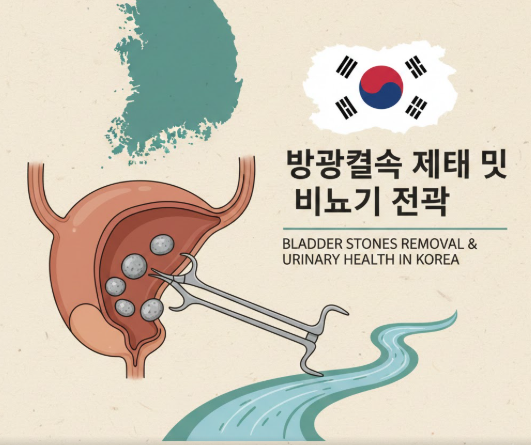
Treatment Overview
Bladder stones are hard mineral deposits that form in the bladder, often leading to urinary discomfort, hematuria, frequent urination, and recurrent infections. Treatment in Korea focuses not only on stone removal but also on restoring and maintaining overall urinary health. Advanced hospitals offer minimally invasive and open surgical techniques, along with comprehensive diagnostics and follow-up care, making Korea a preferred destination for both local and international patients.
Purpose & Benefits
The purpose of bladder stone removal is to eliminate stones that cannot pass naturally and prevent urinary complications. Benefits include:
- Relief from urinary pain, hematuria, and frequency
- Prevention of recurrent urinary tract infections
- Protection of bladder and kidney function
- Enhanced overall urinary health through preventive care
- Access to minimally invasive procedures and advanced post-operative monitoring
Ideal Candidates
Bladder stone removal and urinary health evaluation are recommended for patients who:
- Have bladder stones causing pain or obstruction
- Experience hematuria or recurrent urinary tract infections
- Have underlying conditions such as prostate enlargement, neurogenic bladder, or urinary stasis
- Require comprehensive urinary health care along with stone removal
- Seek expert treatment with minimal hospital stay and faster recovery
Possible Risks & Complications
Although treatment is generally safe, possible risks include:
- Temporary urinary discomfort or burning
- Hematuria (blood in urine) for a few days
- Urinary tract infection
- Rare complications such as bladder or urethral injury
Korean hospitals use advanced techniques and sterile procedures to minimize risks and ensure patient safety.
Techniques & Technology Used
Korean hospitals use cutting-edge technology for bladder stone removal and urinary health care:
Cystolitholapaxy – Minimally invasive endoscopic procedure to remove stones.
Laser Lithotripsy – High-energy lasers fragment stones for easier removal.
Open Surgery (Cystolithotomy) – For large or complex stones.
Imaging Tools – Ultrasound, X-ray, and CT scans help locate stones and assess urinary tract health.
Integrated Diagnostics – Combines blood and urine analysis with imaging to provide a complete assessment of urinary health.
These techniques allow precise stone removal while addressing underlying urinary conditions.
Treatment Process in Korea
The process generally involves:
- Initial Consultation
Specialists review medical history, symptoms, and prior diagnostic results. - Laboratory Testing
Blood and urine tests assess infection, hematuria, and kidney function. - Imaging Studies
Ultrasound or CT scans determine stone size, location, and bladder/urinary tract health. - Surgical Procedure
Depending on stone size and complexity, cystolitholapaxy, laser lithotripsy, or open surgery is performed. - Post-Procedure Monitoring
Patients are observed for urinary function, bleeding, and discomfort. Temporary catheters may be used. - Follow-Up & Preventive Care
Follow-up visits confirm stone clearance, monitor urinary health, and provide guidance for preventing recurrence.
Recovery & After-Care
Recovery depends on the procedure:
- Minimally Invasive Procedures: 1–3 days, mild urinary discomfort may occur
- Open Surgery: 3–5 days hospital stay
After-care includes:
- Drinking plenty of fluids to maintain urinary tract health
- Monitoring urine for color and signs of infection
- Avoiding strenuous activity until fully recovered
- Completing prescribed medications
- Regular follow-up for urinary health maintenance
Korean hospitals provide detailed instructions and support for both domestic and international patients to ensure safe recovery.
Results & Longevity
Bladder stone removal combined with comprehensive urinary health care provides:
- Immediate relief from urinary obstruction, pain, and hematuria
- Long-term prevention of recurrent urinary tract infections
- Improved bladder and kidney function
- High success rates in stone removal and urinary health maintenance
- Better quality of life through ongoing preventive care
With expert urologists and modern techniques, patients experience durable results and reduced risk of recurrence.
Why Korea Is a Top Destination
Korea is a leading destination for bladder stone removal and urinary health care due to:
- Advanced imaging and surgical technology
- Highly skilled urologists experienced in minimally invasive and open procedures
- Comprehensive care combining diagnostics, surgery, and post-operative follow-up
- Fast and safe procedures suitable for international patients
- Patient-friendly services including language support, scheduling assistance, and accommodation guidance
- Transparent pricing and internationally accredited hospitals
These advantages make Korea ideal for safe and high-quality urinary care.
Cost Range
Estimated costs for bladder stone removal and urinary health evaluation in Korea:
- Consultation: $50–$100
- Blood and Urine Tests: $20–$80
- Ultrasound Imaging: $50–$120
- CT Scan: $250–$700
- Cystolitholapaxy / Laser Lithotripsy: $1,000–$2,500
- Open Surgery: $3,000–$5,000
- Follow-Up Visits: $50–$100 per visit
Costs may vary depending on hospital, procedure type, and patient condition.
Popular Clinics in Korea
Top hospitals providing bladder stone removal and urinary health care include:
- Seoul National University Hospital
- Asan Medical Center
- Samsung Medical Center
- Severance Hospital (Yonsei University)
- CHA Bundang Medical Center
- Wooridul Urology Clinic
These hospitals are known for expert surgical care, comprehensive diagnostics, and follow-up, catering to both local and international patients.


