
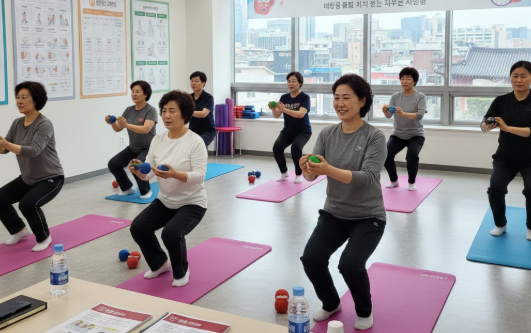
Treatment Overview
Bladder training is a structured, non-surgical therapy aimed at helping individuals regain control over urinary urges and improve bladder function. It is particularly effective for patients with urge incontinence, overactive bladder, or mixed urinary incontinence.
In Korea, bladder training programs are offered by expert urologists and physiotherapists using advanced assessment tools and customized schedules. These programs combine timed voiding, urge suppression techniques, and behavioral strategies to restore bladder control, reduce leakage, and enhance quality of life. International patients are increasingly visiting Korea to access these structured and effective training programs.
Purpose & Benefits
H5 Benefits of bladder training programs include:
- Regaining control over sudden urinary urges
- Increasing bladder capacity and function
- Reducing frequency and nighttime urination
- Minimizing episodes of involuntary leakage
- Improving confidence and daily comfort
- Reducing the need for medications or invasive treatments
- Offering a safe, non-surgical solution
- Personalized programs based on diagnostic evaluation
Bladder training in Korea is combined with pelvic floor therapy and lifestyle guidance for maximum effectiveness.
Ideal Candidates
H5 Candidates for bladder training programs include:
- Individuals experiencing urgency-related leakage
- Patients with overactive bladder or mixed incontinence
- Those waking frequently at night to urinate
- People seeking non-surgical therapy
- Patients who have mild to moderate incontinence
- Individuals who want a structured, evidence-based therapy plan
- International patients looking for guided programs with professional supervision
Bladder training can be adapted for both men and women of all ages.
Possible Risks & Complications
Bladder training is a safe and non-invasive therapy with minimal risks.
H5 Minor considerations include:
- Temporary mild discomfort as bladder adapts to new schedules
- Possible initial increase in urgency before improvement
- Rare urinary tract infections if hygiene is not maintained
- Mild fatigue from practicing pelvic floor exercises concurrently
Korean programs are closely monitored by specialists to ensure comfort and effectiveness.
Techniques & Technology Used
Korea offers advanced methods to maximize the effectiveness of bladder training programs.
H5 Techniques include:
- Timed Voiding: Scheduling bathroom visits at gradually increasing intervals
- Urge Suppression Strategies: Distraction, relaxation, and pelvic muscle contractions
- Bladder Diaries: Tracking fluid intake, voiding patterns, and leakage episodes
- Biofeedback Integration: Ensuring correct pelvic floor muscle engagement
- Pelvic Floor Muscle Exercises: Often combined to reinforce bladder control
- Behavioral Counseling: Guidance on lifestyle, diet, and fluid management
- Mobile Apps & Digital Support: Some programs provide digital tracking tools
- Multidisciplinary Approach: Coordination between urologists, physiotherapists, and behavioral specialists
These techniques help patients regain control efficiently and safely.
Treatment Process in Korea
H5 Step 1: Initial Consultation
Specialists evaluate symptoms, medical history, and bladder habits.
H5 Step 2: Diagnostic Assessment
Includes bladder diaries, urodynamic studies, urinalysis, and pelvic floor assessments.
H5 Step 3: Customized Training Plan
A program is tailored with specific voiding intervals, exercise routines, and behavioral strategies.
H5 Step 4: Training Implementation
Patients follow a structured schedule under supervision, with regular adjustments as needed.
H5 Step 5: Ongoing Monitoring
Specialists track progress and provide feedback to optimize results.
H5 Step 6: Integration with Pelvic Therapy
Bladder training is often combined with pelvic floor exercises for enhanced effectiveness.
H5 Step 7: Maintenance & Long-Term Guidance
Patients are advised on long-term bladder habits, lifestyle modifications, and exercises to prevent recurrence.
Korean clinics ensure that international patients receive detailed instructions and remote follow-up support after returning home.
Recovery & After-Care
Bladder training requires no downtime or medical recovery.
H5 After-care recommendations include:
- Maintaining a consistent voiding schedule
- Practicing urge suppression techniques regularly
- Following dietary and fluid intake guidance
- Continuing pelvic floor exercises if recommended
- Monitoring progress through bladder diaries
- Attending follow-up appointments for evaluation and program adjustment
The therapy gradually strengthens bladder control without discomfort or invasive procedures.
Results & Longevity
H5 Expected outcomes of bladder training programs:
- Noticeable improvement in urinary control within 4–8 weeks
- Reduced urgency and leakage episodes
- Increased bladder capacity and stability
- Enhanced confidence in daily activities
- Long-lasting improvements when combined with pelvic therapy and lifestyle management
- Prevention of progression or recurrence of incontinence
Korean clinics report high success rates due to structured programs and professional supervision.
Why Korea Is a Top Destination
Korea is a leading destination for bladder training programs due to:
- Highly experienced urologists and pelvic physiotherapists
- Advanced assessment and biofeedback technology
- Structured, evidence-based training protocols
- Integration of behavioral therapy, pelvic exercises, and lifestyle guidance
- Safe, non-invasive, and highly effective solutions
- Affordable costs compared to Western countries
- Excellent support for international patients, including translation and travel coordination
- Short waiting times and efficient, patient-centered care
International patients benefit from the combination of expertise, technology, and comprehensive support services.
Cost Range
H5 Estimated costs in Korea:
- Consultation & Diagnostic Assessment: $120–$400
- Individual Training Session: $50–$150
- Pelvic Floor Therapy Integration: $70–$150 per session
- Complete 8–12 Session Training Program: $400–$1,200
- Behavioral & Lifestyle Guidance: Included in program
- Digital or app-based monitoring tools: Some clinics may charge $50–$100
Many hospitals offer packages tailored for international patients including transport and translation support.
Popular Clinics in Korea
Top Korean centers for bladder training programs include:
- Seoul National University Hospital (SNUH)
- Samsung Medical Center
- Asan Medical Center
- Severance Hospital (Yonsei University)
- CHA Women’s Medical Center
- Mirae Urology & Pelvic Health Center
- Wooridul Urology Clinic
- Seoul Women’s Urogynecology Clinic
These clinics provide expert guidance, multidisciplinary support, and high success rates in non-surgical incontinence management.


