
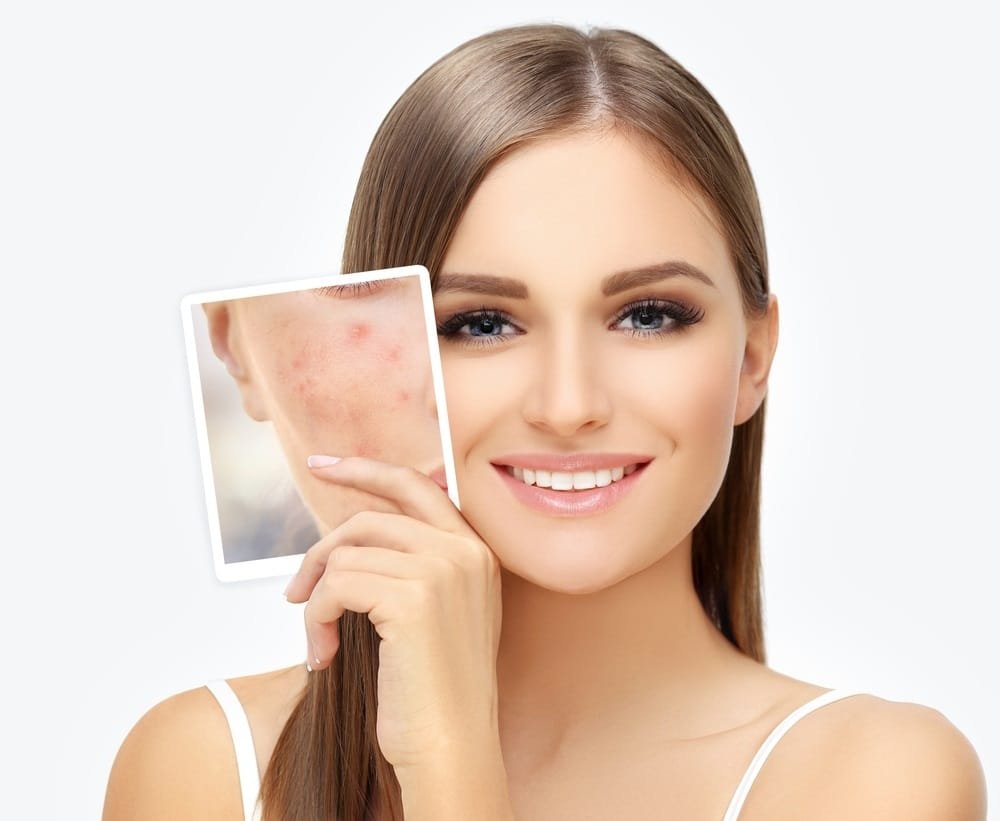
Treatment Overview
The Blemish Control Whitening Program in Korea is a specialized dermatology treatment designed to target hyperpigmentation, dark spots, acne scars, and uneven skin tone. This program integrates advanced whitening lasers, chemical peels, topical brightening agents, and antioxidant therapies to effectively reduce pigmentation and restore clear, radiant skin.
Korean dermatology clinics are globally recognized for combining Q-switched Nd:YAG lasers, picosecond lasers, chemical peels (like glycolic or salicylic acid), and whitening serums into a structured, multi-step protocol. This approach ensures maximum pigment reduction, long-lasting results, and improved skin health, making the Blemish Control Program a top choice for patients seeking targeted hyperpigmentation treatment in a non-invasive way.
Purpose & Benefits
The Blemish Control Whitening Program provides a variety of benefits:
- Effective Hyperpigmentation Reduction – Targets dark spots, sun damage, acne scars, and melasma.
- Even Skin Tone – Reduces uneven pigmentation for a smoother complexion.
- Radiance & Brightness – Enhances overall skin clarity and glow.
- Anti-Aging Effects – Some laser treatments and peels also improve skin texture and minimize fine lines.
- Safe & Non-Invasive – Provides visible results without surgical procedures.
- Long-Lasting Results – Combination therapies ensure cumulative and durable whitening effects.
Ideal Candidates
This program is ideal for individuals who:
- Have dark spots, sun damage, or melasma.
- Suffer from post-acne hyperpigmentation.
- Desire even skin tone and brighter complexion.
- Wish to combine treatments for maximum whitening results.
- Are looking for non-surgical dermatology solutions for hyperpigmentation.
Possible Risks & Complications
The Blemish Control Whitening Program is generally safe under licensed Korean dermatologists. Potential risks include:
- Temporary redness or swelling after laser or chemical peel treatments.
- Mild peeling or flaking in treated areas.
- Rare allergic reactions to serums, topical agents, or peels.
- Hyperpigmentation rebound if sun protection is not properly applied post-treatment.
Techniques Used in Korea
Korean dermatology clinics utilize advanced and medically proven techniques for hyperpigmentation control:
- Laser Whitening Treatments – Q-switched Nd:YAG, picosecond lasers, and fractional lasers to target pigmentation.
- Chemical Peels – Glycolic acid, salicylic acid, and trichloroacetic acid peels help exfoliate pigmented layers and stimulate skin renewal.
- Topical Whitening Agents – Glutathione, vitamin C, kojic acid, and niacinamide for brightening and antioxidant protection.
- Layered Approach – Combination of lasers, peels, and serums ensures cumulative improvement.
- Customizable Protocols – Treatments are tailored to skin type, pigmentation severity, and whitening goals.
- Professional Monitoring – Ensures safety, minimizes risks, and maximizes results.
Recovery & Aftercare
- Minimal downtime for most treatments; mild redness or peeling may occur.
- Avoid direct sun exposure and apply sunscreen (SPF 30+) diligently.
- Avoid harsh scrubs or exfoliants for a few days post-treatment.
- Follow-up sessions are recommended for optimal and long-lasting results.
- Use dermatologist-recommended skincare for maintenance and prevention of pigmentation recurrence.
Results & Longevity
- Immediate effect: Some laser and peel sessions provide instant brightness improvement.
- Optimal results: Multiple sessions (3–6) recommended for cumulative reduction of pigmentation and long-lasting skin clarity.
- Longevity: With proper skincare and sun protection, results can last several months, extended with maintenance treatments.
- Enhanced combination results: Pairing with whitening IV therapy, serums, or facials further enhances clarity and glow.
Treatment Process in Korea
Korean dermatology clinics follow a structured and supervised protocol for the Blemish Control Whitening Program:
- Consultation & Skin Assessment – Dermatologists evaluate pigmentation, skin type, and history of sun exposure or acne.
- Targeted Laser Whitening – Q-switched Nd:YAG, picosecond, or fractional lasers break down melanin deposits in pigmented areas.
- Chemical Peels & Exfoliation – Selected peeling agents remove dead skin layers, accelerating pigment removal.
- Topical Whitening & Antioxidant Therapy – Glutathione, vitamin C, and other brightening agents are applied to enhance skin tone.
- Optional Add-Ons – IV whitening therapy, facials, or advanced laser sessions can be added for enhanced results.
- Post-Treatment Guidance – Patients receive instructions on sun protection, hydration, and maintenance.
- Maintenance Program – Clinics recommend 3–6 sessions depending on pigmentation severity for long-lasting results.
Korea is a preferred destination for hyperpigmentation treatments due to expertise in advanced lasers, chemical peels, and integrated whitening protocols, as well as access to high-quality dermatology clinics with English-speaking staff.
Cost Range
The price of the Blemish Control Whitening Program in Korea varies depending on clinic, session type, and combination treatments:
- Single session (laser or peel): KRW 150,000 – KRW 400,000
- Enhanced session (laser + peel + serum): KRW 400,000 – KRW 700,000
- Full program (3–6 sessions): KRW 1,000,000 – KRW 2,500,000
This program offers targeted hyperpigmentation treatment, whitening, and skin rejuvenation, making it one of the most effective options for non-invasive pigment correction in Korea.
Popular Clinics in Korea
Leading clinics offering Blemish Control Whitening Program include:
- Banobagi Dermatology Clinic (Seoul) – Specialized in advanced laser and chemical peel whitening treatments.
- Oracle Dermatology Clinics (Nationwide) – Customizable hyperpigmentation and whitening programs.
- Regen Clinic (Seoul) – Combines lasers, facials, and IV therapy for comprehensive whitening results.
- ID Hospital Dermatology Center (Seoul) – High-quality pigment correction and skin rejuvenation protocols.
- Wonjin Beauty Medical Group (Seoul) – Luxury dermatology packages for effective hyperpigmentation treatment.


