
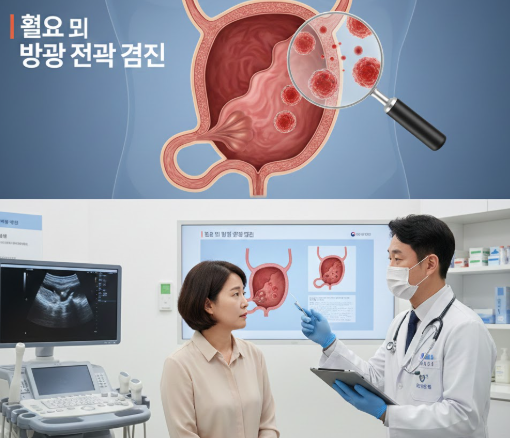
Treatment Overview
Blood in the urine, or hematuria, can be a symptom of various urinary tract conditions, ranging from urinary tract infections and kidney stones to bladder cancer or other serious disorders. A comprehensive bladder health check-up is essential for accurate diagnosis, early detection, and effective management.
Korea offers advanced bladder health check-up programs using state-of-the-art diagnostic technology, including urinalysis, imaging, and cystoscopy, ensuring precise evaluation for both local and international patients.
Purpose & Benefits
The purpose of a bladder health check-up in Korea is to evaluate urinary tract function, detect abnormalities, and prevent complications. Key benefits include:
- Early detection of urinary tract infections, stones, or tumors
- Accurate identification of hematuria causes
- Advanced imaging and lab testing for precise diagnosis
- Minimally invasive procedures such as cystoscopy when required
- Personalized treatment or preventive recommendations
- Comprehensive monitoring for long-term bladder health
Korean hospitals provide integrated urology services that combine prevention, diagnosis, and treatment for optimal outcomes.
Ideal Candidates
Bladder health check-ups are recommended for:
- Adults experiencing visible or microscopic blood in urine
- Individuals with recurrent urinary tract infections or kidney stones
- Patients with chronic urinary symptoms like urgency or pain
- High-risk groups, including those with a family history of urinary tract cancers
- Older adults requiring routine bladder screening
- Children and adolescents with urinary tract issues
- Pregnant women for safe evaluation of hematuria
Medical tourists seeking a thorough and safe evaluation for urinary health also benefit from these comprehensive check-up programs.
Possible Risks & Complications
Bladder health check-ups are generally safe. Minimal risks include:
- Mild discomfort during urine collection or blood tests
- Temporary pink-tinged urine after cystoscopy
- Rare urinary tract infections following invasive procedures
Untreated hematuria can lead to complications such as kidney damage, recurrent infections, or delayed cancer detection, emphasizing the importance of timely check-ups. Korean hospitals implement strict safety protocols to reduce risks.
Techniques & Technology Used
Korean hospitals employ advanced diagnostic tools for bladder health check-ups:
Urinalysis & Microscopy – Detects red blood cells, infections, and chemical abnormalities.
Urine Culture – Identifies bacterial infections that may cause hematuria.
Blood Tests – Evaluates kidney function, inflammation, and systemic health.
Ultrasound Imaging – Non-invasive imaging of the bladder, kidneys, and ureters.
CT or MRI Urography – Provides detailed visualization for complex cases.
Cystoscopy – Direct examination of the bladder lining to detect tumors, stones, or inflammation.
Urodynamic Testing – Assesses bladder function in patients with urinary dysfunction.
Advanced Molecular Tests – Detect early cancer markers in urine when necessary.
These technologies provide a comprehensive evaluation, enabling precise diagnosis and preventive strategies.
Treatment Process in Korea
Bladder health check-ups follow a structured process for maximum accuracy and patient comfort:
- Initial Consultation
Specialists review medical history, symptoms, and previous test results. - Laboratory Testing
Urine and blood tests detect infections, hematuria, and kidney function abnormalities. - Imaging Studies
Ultrasound is performed first, with CT or MRI used if more detailed evaluation is required. - Cystoscopy (If Needed)
Direct examination of the bladder lining to detect stones, tumors, or other abnormalities. - Diagnosis and Recommendations
Doctors provide a comprehensive report with preventive or treatment recommendations. - Follow-Up and Monitoring
Patients receive follow-up guidance to ensure long-term bladder health.
The process is designed for efficiency, accuracy, and minimal discomfort for patients.
Recovery & After-Care
Recovery from bladder check-up procedures is typically quick. Recommendations include:
- Drinking plenty of water to maintain urinary tract health
- Monitoring urine for any continued blood or unusual symptoms
- Following prescribed medications if infections or stones are detected
- Attending follow-up visits for long-term monitoring
Korean specialists provide detailed instructions and personalized care plans to ensure safe recovery and ongoing bladder health.
Results & Longevity
Check-up results are usually available within hours for lab tests, while imaging and cystoscopy results may take 1–2 days. Long-term outcomes include:
- Early detection and treatment of urinary tract infections and stones
- Identification of bladder or kidney tumors at an early stage for better prognosis
- Long-term monitoring plans to prevent recurrence of hematuria
- Improved overall urinary tract health through preventive strategies
Korea’s advanced diagnostic and follow-up services ensure durable outcomes and reduced risk of future complications.
Why Korea Is a Top Destination
Korea is a leading destination for bladder health check-ups because of:
- State-of-the-art diagnostic technology for accurate assessment
- Experienced urologists specializing in hematuria and bladder conditions
- Minimally invasive procedures with quick recovery
- Fast and efficient services for international patients
- Comprehensive follow-up care and preventive programs
- Transparent pricing and internationally accredited hospitals
These advantages make Korea an ideal choice for patients seeking accurate, safe, and comprehensive urinary health evaluation.
Cost Range
Estimated costs for bladder health check-ups in Korea:
- Consultation: $20–$50
- Urinalysis & Blood Tests: $40–$100
- Ultrasound Imaging: $70–$150
- CT or MRI (If Required): $250–$700
- Cystoscopy: $200–$500
- Advanced Molecular Urine Tests: $100–$250
- Comprehensive Bladder Check-Up Package: $450–$950
Costs vary depending on hospital, tests required, and any additional procedures.
Popular Clinics in Korea
Top hospitals offering bladder health check-ups include:
- Seoul National University Hospital
- Asan Medical Center
- Samsung Medical Center
- Severance Hospital (Yonsei University)
- CHA Bundang Medical Center
- Wooridul Urology Clinic
These institutions are known for precise diagnostics, expert consultation, and comprehensive follow-up for both local and international patients.


