
Treatment Overview
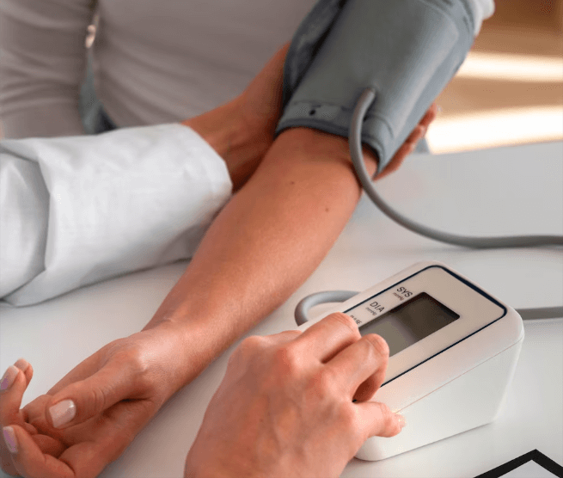
Hypertension in pregnancy is a significant health concern that can lead to serious maternal and fetal complications, such as preeclampsia, placental insufficiency, fetal growth restriction, and preterm delivery. In Korea, Blood Pressure Home Monitoring Programs are integral to modern prenatal care, allowing expectant mothers to track blood pressure safely and accurately from home while remaining connected to their healthcare teams.
These programs use smart monitoring devices, digital reporting platforms, and AI-assisted analytics to ensure early detection of abnormalities, timely medical response, and reduced hospital visits. Korean hospitals have integrated home monitoring into national prenatal protocols, ensuring that maternal hypertension is controlled efficiently and continuously throughout pregnancy.
Purpose & Benefits
Purpose:
- To provide continuous, real-time tracking of maternal blood pressure outside the hospital.
- To detect early warning signs of gestational hypertension or preeclampsia.
- To reduce the burden of frequent hospital visits while maintaining close supervision.
- To empower women in managing their own prenatal health.
- To enable doctors to make data-driven adjustments in medication and lifestyle recommendations.
Benefits:
- Early detection of complications: Blood pressure fluctuations are identified before symptoms worsen.
- Convenience: Reduces travel and clinic time, especially for high-risk or rural patients.
- Better blood pressure control: Continuous monitoring allows precise medication adjustment.
- Improved fetal outcomes: Stable maternal blood pressure ensures healthy placental perfusion.
- Enhanced patient engagement: Mothers actively participate in their care, improving adherence.
- Cost-effectiveness: Prevents emergency hospitalizations and long inpatient stays.
Ideal Candidates
Home blood pressure monitoring is recommended for:
- Women with chronic hypertension before or during pregnancy.
- Those diagnosed with gestational hypertension or preeclampsia.
- Expectant mothers with advanced maternal age (≥35 years).
- Women with multiple pregnancies (twins or more).
- Patients with renal disease, diabetes, or thyroid conditions.
- Women at risk of preeclampsia due to obesity or family history.
- Mothers who require frequent monitoring but prefer home-based care.
Korean maternity programs often provide blood pressure devices and education on proper home measurement as part of early prenatal checkups.
Possible Risks & Considerations
- Measurement errors: Inaccurate readings due to incorrect cuff size or positioning.
- Anxiety: Frequent monitoring may increase stress for some mothers.
- Compliance issues: Inconsistent measurements can affect data accuracy.
- Data interpretation: Requires consistent communication with healthcare providers.
Korean hospitals address these challenges through digital education, training sessions, and telehealth support, ensuring proper technique and understanding.
Medical & Digital Techniques Used in Korea
Korea’s blood pressure home monitoring systems blend medical accuracy, digital integration, and patient usability.
Core Components Include:
- Validated Home BP Devices: Automated arm-cuff monitors calibrated to international pregnancy standards.
- Smart Device Connectivity: Readings transmitted instantly to hospital databases or mobile apps.
- AI-Driven Alert Systems: Automatic detection of abnormal patterns such as rising systolic trends.
- Remote Data Review: Obstetricians and nurses access real-time dashboards for patient monitoring.
- Educational Guidance: Video tutorials and mobile reminders on correct measuring posture and timing.
- Personalized Monitoring Schedule: Typically twice daily (morning and evening) or as prescribed.
- Integration with Prenatal Apps: Maternal weight, fetal growth, and BP data stored in a unified system.
Korea’s hospitals ensure that all equipment is medically approved and synced with national digital health infrastructure, supporting 24/7 oversight and emergency alerts.
Recovery & Aftercare
- Routine reporting: Patients record daily BP readings, which are automatically shared with their hospital team.
- Follow-up consultation: Doctors review trends weekly and adjust care plans as necessary.
- Lifestyle support: Dietitians and nurses provide guidance on salt intake, hydration, and rest.
- Fetal surveillance: BP trends are correlated with fetal growth via ultrasound and Doppler studies.
- Postpartum monitoring: Women continue BP checks for 6–12 weeks to detect postpartum hypertension.
- Long-term education: Mothers are taught cardiovascular prevention strategies for future pregnancies.
Korean maternal-fetal units emphasize continuity of care from pregnancy to postpartum recovery, ensuring that hypertension management remains stable beyond delivery.
Results & Longevity
- Enhanced accuracy: Continuous monitoring reduces the risk of missed hypertension diagnoses.
- Fewer hospital admissions: Remote tracking allows early treatment adjustments, avoiding emergencies.
- Improved maternal satisfaction: Mothers feel more secure and involved in their care.
- Better neonatal outcomes: Consistent maternal control improves placental blood flow and fetal health.
- Sustained benefits: Postpartum follow-up prevents chronic hypertension and cardiovascular diseases.
Results show that integrating home monitoring into pregnancy care improves both short-term safety and long-term maternal well-being.
Procedure Process in Korea
1. Initial Enrollment
During the first or second trimester, women at risk for hypertension are enrolled in the home monitoring program by their obstetrician.
2. Device Training & Calibration
Medical staff teach proper device usage, positioning, and measurement timing. Devices are calibrated for accuracy before being issued.
3. Regular Home Monitoring
Patients record readings daily, following hospital-specific schedules (usually morning and evening, seated after 5 minutes of rest).
4. Data Transmission
Readings are automatically synced with hospital servers via mobile apps or Bluetooth connection.
5. Physician Review & Adjustment
Doctors and nurses review incoming data through secure dashboards and modify treatment or medication when needed.
6. Alerts & Emergency Protocols
Abnormal readings (e.g., ≥160/110 mmHg) trigger automated alerts, prompting immediate teleconsultation or hospital visit.
7. Postpartum Continuation
Monitoring continues after delivery to prevent postpartum hypertension or delayed preeclampsia.
Why Korea Is a Top Destination
- Advanced digital health infrastructure: Seamless integration between home devices and hospital databases.
- High-accuracy medical equipment: Korean-manufactured monitors are among the most precise globally.
- Multidisciplinary care model: Coordinated support from obstetricians, cardiologists, and nurses.
- Patient-friendly programs: Bilingual telehealth services for local and international patients.
- Proactive prevention culture: Emphasis on education, early intervention, and lifelong cardiovascular wellness.
Unique Korean Methods & Technology
- AI-enhanced maternal monitoring platforms analyzing blood pressure trends.
- Smart prenatal applications integrating weight, glucose, and BP data in one interface.
- Automated physician alerts through hospital cloud systems.
- Population-specific algorithms adjusted for Korean maternal physiology.
- Telemonitoring consultations connecting patients with hospitals nationwide.
Cost Range
The cost of Blood Pressure Home Monitoring in Korea varies depending on hospital and monitoring technology:
- Basic program (device + consultation): USD 200 – 400
- Digital monitoring package (app connectivity + weekly doctor review): USD 500 – 800
- Advanced AI-integrated program (real-time alerts + telehealth access): USD 900 – 1,400
- Comprehensive prenatal hypertension package (includes fetal monitoring and postpartum care): USD 1,500 – 2,200
Most tertiary Korean hospitals offer bundled prenatal hypertension management plans combining home monitoring with regular checkups and delivery care.
Popular Hospitals and Centers in Korea
- Asan Medical Center (Seoul): Pioneers remote blood pressure monitoring and digital maternal dashboards.
- Samsung Medical Center (Seoul): Offers integrated home BP tracking with AI-driven risk analysis.
- Severance Hospital (Yonsei University Health System): Provides advanced hypertension management programs for high-risk pregnancies.
- CHA Bundang Women’s Hospital: Specializes in remote monitoring and lifestyle management for hypertensive mothers.
- MizMedi Women’s Hospital: Delivers convenient and cost-effective BP home monitoring solutions for expectant mothers.


