
Treatment Overview
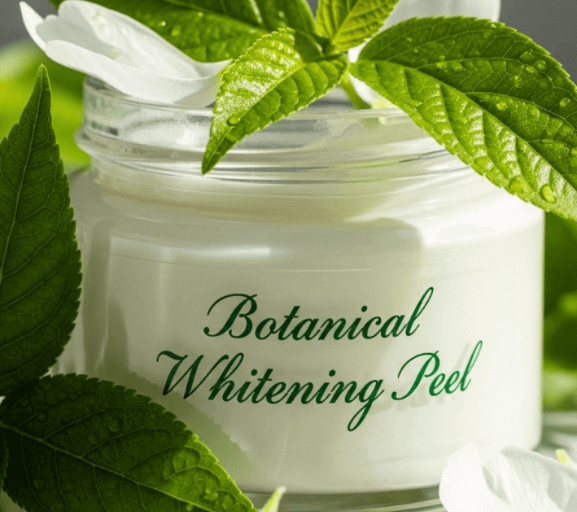
The Botanical Whitening Peel is a Korean dermatology treatment that uses plant-derived acids and natural brightening extracts to gently exfoliate and reduce melanin buildup. Unlike strong chemical peels, this peel is formulated with botanical ingredients such as arbutin, kojic acid, licorice extract, mulberry, and fruit-derived alpha hydroxy acids (AHAs) to minimize irritation while targeting melasma pigmentation.
In Korea, dermatologists incorporate Botanical Whitening Peels into multi-step melasma protocols, combining them with hydration therapy, brightening infusions, or laser treatments for safe, gradual improvement.
For melasma, the Botanical Whitening Peel:
- Promotes gentle skin renewal, removing pigmented keratinocytes.
- Inhibits melanin production through natural plant extracts.
- Brightens skin tone without aggressive peeling or downtime.
- Supports skin barrier function, reducing irritation risks common in melasma patients.
Purpose & Benefits
- Gentle Exfoliation: Removes dead cells and dull surface pigmentation.
- Botanical Brightening: Natural agents like arbutin and licorice extract help fade melasma patches.
- Improved Absorption: Prepares skin for serums, lasers, or infusion treatments.
- Reduced Sensitivity: Plant-based formula suitable for delicate, melasma-prone skin.
- Skin Tone Evenness: Lightens dark spots and improves overall radiance.
- Minimal Downtime: Softer approach than TCA or glycolic acid peels.
Ideal Candidates
The Botanical Whitening Peel in Korea is recommended for:
- Patients with mild to moderate melasma or diffuse pigmentation.
- Individuals with sensitive or easily irritated skin.
- Adults looking for natural, plant-based brightening options.
- Those unable to tolerate aggressive chemical peels.
- Patients on maintenance therapy after lasers or brightening infusions.
Comparison with Other Treatments
- Botanical Whitening Peel: Best for sensitive skin, gentle brightening, and melasma maintenance.
- Glycolic/TCA Peels: Stronger exfoliation but higher irritation risk.
- Arbutin Brightening Program: Direct melanin suppression, infusion-based.
- BBL (Broadband Light): Light-based therapy targeting both melanin and vascular factors.
- Tranexamic Acid Mesotherapy: Potent melasma control from inside-out.
Possible Risks & Complications
The Botanical Whitening Peel is considered safe, but mild side effects may include:
- Redness or Tingling: Short-lived, fades within hours.
- Dryness or Flaking: Temporary, resolves with moisturizers.
- Mild Sensitivity: Avoided with proper pre- and post-care.
- Rare Irritation: Less common than with chemical peels, but possible in reactive skin.
Treatment Techniques Used
- Botanical Acid Application: Plant-based acids applied evenly on skin.
- Customized Peel Strengths: Adjusted for melasma severity and skin sensitivity.
- Natural Extracts Infusion: Ingredients like arbutin, kojic acid, and licorice for pigmentation control.
- Session Protocol: 3–6 sessions, spaced 3–4 weeks apart.
- Combination Therapy: Often paired with aqua peel, vitamin C infusion, or pigment lasers.
Recovery & Aftercare
- Immediately: Mild redness or tingling possible.
- 1–3 Days: Gentle flaking or dryness may occur.
- Weeks of Consistency: Skin tone gradually brightens, melasma softens.
Aftercare Tips:
- Use soothing cream and hydrating serums.
- Apply SPF 50+ sunscreen daily.
- Avoid scrubs, retinoids, or strong acids for 5–7 days.
- Stay hydrated and use barrier-repair creams if dryness occurs.
Results & Longevity
- Short-Term (1–2 Sessions): Skin looks brighter and smoother.
- Medium-Term (3–4 Sessions): Pigmented patches fade gradually.
- Long-Term: Maintenance peels every 2–3 months help prevent melasma recurrence.
Treatment Process in Korea
- Consultation & Skin Assessment – Doctor evaluates melasma depth and skin sensitivity.
- Preparation – Cleansing and mild exfoliation.
- Peel Application – Botanical peel applied evenly, left for a few minutes.
- Neutralization & Rinse – Peel is neutralized and removed safely.
- Post-Care – Soothing cream, cooling mask, and sunscreen applied.
- Follow-Up – Sessions repeated monthly for best results.
Why Korea is a Top Destination
- Korean dermatologists prioritize gentle pigmentation control, avoiding irritation that worsens melasma.
- Clinics use KFDA-approved botanical peel formulations tailored for sensitive skin.
- Treatments often combined with hydration and brightening infusions for safer outcomes.
- Affordable packages with natural, skin-friendly protocols.
- Seoul is a hub for plant-based, scientifically formulated dermatology treatments.
Cost Range (Detailed Breakdown)
Pricing for Botanical Whitening Peel in Korea for melasma:
- Single Session: USD 100 – 180
- 3–5 Session Package: USD 300 – 750
- Botanical Peel + Brightening Infusion: USD 200 – 400 per session
- Comprehensive Melasma Package (Botanical Peel + Laser + Infusions): USD 1,500 – 2,800 (4–6 sessions)
Additional Costs in Korea:
- Consultation: USD 20 – 40
- Add-ons (Vitamin C, Tranexamic acid, Glutathione, Aqua Peel): USD 150 – 500
💡 Patients often call the Botanical Whitening Peel a “natural brightening reset” for melasma, since it offers safe pigment control while being gentle on sensitive skin.
Popular Clinics in Seoul
- Oracle Dermatology – Botanical peels combined with PICO laser for pigmentation.
- Banobagi Dermatology – Customized botanical peel + brightening cocktail infusions.
- Renewme Skin Clinic – Natural peels paired with tranexamic acid therapy.
- View Plastic & Dermatology – Multi-step melasma care with botanical peel + Aqua Peel.
- Chaum Anti-Aging Center – Luxury botanical peel programs with premium brightening boosters.


