
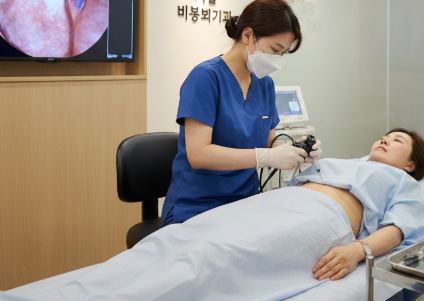
Treatment Overview
Botox injection therapy for overactive bladder (OAB) is a minimally invasive treatment that involves injecting Botulinum toxin (OnabotulinumtoxinA) directly into the bladder wall to reduce involuntary contractions. This procedure helps patients who experience urinary urgency, frequency, and urge incontinence. Korea is recognized globally for its expertise in Botox therapy for OAB, offering advanced cystoscopic guidance, precise injection techniques, and comprehensive monitoring for optimal safety and outcomes for both local and international patients.
Purpose & Benefits
The main goal of Botox injection therapy for OAB is to relax overactive bladder muscles, improving bladder storage and reducing symptoms. Key benefits include:
- Reduces urinary urgency, frequency, and incontinence
- Improves bladder capacity and overall quality of life
- Minimally invasive outpatient procedure with quick recovery
- Can be repeated every 6–12 months for sustained symptom relief
- Provides an alternative for patients unresponsive to oral medications
Korean hospitals personalize injection protocols based on bladder capacity, symptom severity, and patient history for optimal results.
Ideal Candidates
Ideal candidates include:
- Adults with OAB not responding to oral medications
- Patients with urge incontinence or nocturia affecting daily life
- Individuals seeking a minimally invasive alternative to surgery
- Medically suitable patients without contraindications for Botox
Patients with urinary tract infections, bladder obstruction, or hypersensitivity to Botox require careful evaluation. Korean urologists perform thorough pre-treatment assessments to ensure safety.
Possible Risks & Complications
Botox injection therapy for OAB is generally safe, but potential side effects include:
- Temporary urinary retention requiring intermittent catheterization
- Mild hematuria (blood in urine)
- Urinary tract infections
- Temporary pelvic discomfort
- Rare allergic reactions
Korean hospitals reduce risks through precise dosing, cystoscopic guidance, and careful monitoring post-procedure.
Techniques & Technology Used
Advanced techniques used in Korea include:
- Cystoscopic-guided injections for precise placement into the bladder wall
- Personalized dosing according to bladder capacity and patient needs
- Combination with urodynamic studies to assess bladder function before and after treatment
- Follow-up monitoring for urinary retention and infection
- Repeat injection planning for long-term symptom control
These techniques ensure effective symptom relief with minimal discomfort.
Treatment Process in Korea
The treatment process includes:
- Pre-treatment evaluation including urinalysis, bladder diary, and urodynamic testing
- Botox injection procedure performed under local or general anesthesia on an outpatient basis
- Observation for immediate side effects post-procedure
- Follow-up visits to monitor bladder function and manage complications
- Repeat injections every 6–12 months if necessary
- Patient education on fluid intake, bladder habits, and warning signs
Multilingual support is provided for international patients to ensure smooth treatment and follow-up.
Recovery & After-Care
Recovery is generally quick due to the minimally invasive nature of the therapy. Aftercare includes:
- Monitoring for urinary retention and urinary tract infections
- Maintaining proper hydration
- Avoiding strenuous activity for 24 hours post-procedure
- Attending follow-up appointments to assess bladder function
- Learning intermittent self-catheterization if temporary urinary retention occurs
Telemedicine follow-up is available for international patients.
Results & Longevity
Botox injection therapy for OAB in Korea provides significant symptom relief, usually lasting 6–12 months. Repeat injections can maintain long-term symptom control. Most patients experience minimal side effects and rapid improvement in quality of life, with structured follow-up for safety and effectiveness.
Why Korea Is a Top Destination
Korea is a preferred destination for Botox therapy for OAB due to:
- Expertise in OAB and neurogenic bladder management
- Advanced cystoscopic guidance for precise injections
- Integration with urodynamic testing for personalized treatment
- Efficient outpatient scheduling and minimal waiting times
- Multilingual support and international patient coordination
- Cost-effective treatment without compromising quality
Patients benefit from expert care, precise therapy, and structured long-term follow-up.
Cost Range
The cost of Botox injection therapy for OAB in Korea typically ranges from USD 1,500 to USD 3,500 per session, depending on:
- Hospital category and facility fees
- Number of Botox units and injection sites
- Follow-up consultations and monitoring
Hospitals provide transparent packages covering all essential steps for international patients.
Popular Clinics in Korea
- Asan Medical Center – Urology & Bladder Dysfunction Clinic
- Seoul National University Hospital – OAB & Neuro-Urology Program
- Samsung Medical Center – Botox Therapy for Overactive Bladder Unit
- Severance Hospital (Yonsei University) – Urology & Bladder Control Clinic
- Korea University Anam Hospital – Outpatient OAB Clinic
- Seoul St. Mary’s Hospital – OAB Management & Botox Therapy Unit


