
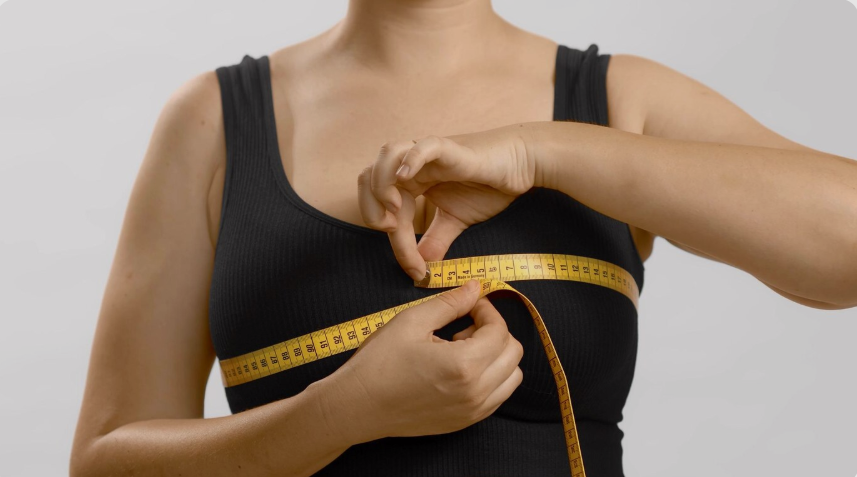
South Korea has become a global destination for cosmetic surgery, and breast augmentation is one of the most popular procedures sought by international patients. Renowned for advanced surgical techniques, highly trained specialists, and top-tier clinics in cities like Seoul and Busan, Korea offers an excellent standard of care—often at a more affordable price than in Western countries.
But traveling abroad for surgery involves more than just booking a flight. From selecting the right clinic to understanding recovery logistics, here’s everything international patients need to know before undergoing breast augmentation in Korea.
✈️ Why Choose Korea for Breast Augmentation?
South Korea is a cosmetic surgery hub for several reasons:
✅ Advanced Surgical Techniques
- Use of the latest implant materials (e.g., Motiva, Mentor, Sebbin)
- 3D simulation technology for visualizing results
- Minimal-scar incision techniques (e.g., transaxillary via armpit)
- Fast, efficient recovery protocols
✅ World-Class Surgeons
- Board-certified plastic surgeons with international experience
- High patient volume leads to refined skill and consistency
- Many speak English or have English-speaking coordinators
✅ Value for Money
- Surgery in Korea often costs 30–50% less than in the U.S. or Europe
- Transparent package pricing often includes pre-op tests, anesthesia, garments, and follow-up
🏥 Choosing the Right Clinic
With hundreds of clinics in Seoul alone, choosing the right one can be overwhelming. Here’s how to find a reputable and safe option:
1. Look for Board-Certified Plastic Surgeons
Ensure the surgeon is certified by the Korean Society of Plastic and Reconstructive Surgeons (KSPRS). You can check this via their official website or ask the clinic directly.
2. Prioritize Clinics with International Patient Services
Some clinics cater specifically to medical tourists and offer:
- English-speaking staff or translators
- Pre-arrival virtual consultations
- Airport pickup and hotel recommendations
- Concierge services and recovery accommodation
3. Ask These Key Questions:
- How many breast augmentations do you perform each year?
- Do you use FDA-approved implants?
- What is your infection/revision rate?
- Do you provide emergency care or hospital transfer if needed?
💵 Cost of Breast Augmentation in Korea
Estimated cost (as of 2025):
- ₩6,000,000 to ₩13,000,000 KRW (~$4,500 to $10,000 USD)
What’s typically included:
- Consultation and surgical fee
- Implants (silicone or saline)
- Anesthesia
- One night of monitoring or recovery stay
- Follow-up visits and compression garment
Note: Transaxillary (armpit) and dual-plane implant placement may cost slightly more due to complexity.
🔍 Types of Breast Implants Offered in Korea
Korean clinics offer a wide selection of implant options:
🔹 Silicone Implants (most common)
- Brands: Motiva, Mentor, Sebbin, Natrelle
- Available in smooth and micro-textured surfaces
- Round or teardrop shapes
🔹 Saline Implants
- Less commonly used in Korea but available on request
🔹 Cohesive Gel or Gummy Bear Implants
- Popular for natural feel and shape retention
- Suitable for submuscular placement for better imaging access
🧪 Preoperative Preparation
Before surgery, clinics typically require:
Medical Screening:
- Blood tests
- Chest X-ray
- EKG
- Breast ultrasound or mammogram (for patients over 30 or with family history)
Tip: Bring your full medical history, medication list, and imaging results if available, especially if you have chronic conditions.
🧭 Travel and Recovery Timeline
Recommended Stay in Korea: 7–14 days
| Day | What Happens |
|---|---|
| Day 1–2 | Consultation + pre-op tests |
| Day 3 | Surgery day |
| Day 4 | Clinic check-up, dressing change |
| Day 5–7 | Second follow-up, suture check (if applicable) |
| Day 10–14 | Final check-up, fly home safely |
Aftercare Support:
- Some clinics offer post-op nurse visits
- Others provide WhatsApp/LINE access to a coordinator for questions
🩺 Safety and Risks for International Patients
Korea’s clinics are generally safe and sterile, but international patients should be especially prepared for:
Potential Risks:
- Infection or hematoma (blood collection)
- Capsular contracture (scar tightening around the implant)
- Implant rupture or shifting
- Asymmetry or dissatisfaction with results
- Anesthesia reactions
How to Protect Yourself:
- Choose a clinic located near a general hospital in case of emergency
- Avoid clinics offering suspiciously cheap “deals” with little transparency
- Purchase travel health insurance that covers elective surgery complications
🏡 Post-Surgery Care After Returning Home
Once you return to your country, follow-up care is your responsibility. Here’s how to stay safe:
1. Know Your Implant Details
- Brand, size, serial number, surface texture, and placement technique
- Request a full surgical report from your Korean surgeon
2. Schedule Local Follow-Ups
- Annual breast ultrasound or MRI (especially for silicone implants)
- Clinical breast exams to check for changes
3. Monitor for Warning Signs:
- Excess swelling, redness, fever
- Sudden pain or changes in implant shape
- Hardening or tightness (possible capsular contracture)
📋 Quick Checklist for International Patients
✅ Research clinics and check board certifications
✅ Schedule online consultation before flying
✅ Bring translated medical documents
✅ Book at least a 10-day stay
✅ Have a trusted friend or medical concierge assist during recovery
✅ Get detailed post-op care instructions in English
✅ Purchase medical travel insurance
💬 Final Thoughts
Breast augmentation in Korea is safe, effective, and offers high satisfaction—if done right. As an international patient, your focus should be on:
- Selecting a skilled, certified surgeon
- Planning your travel and recovery with care
- Ensuring you have proper follow-up when you return home
By taking a well-informed approach, you can enjoy the confidence and aesthetic results you’re seeking—backed by some of the world’s most advanced cosmetic surgery practices.


