
Treatment Overview
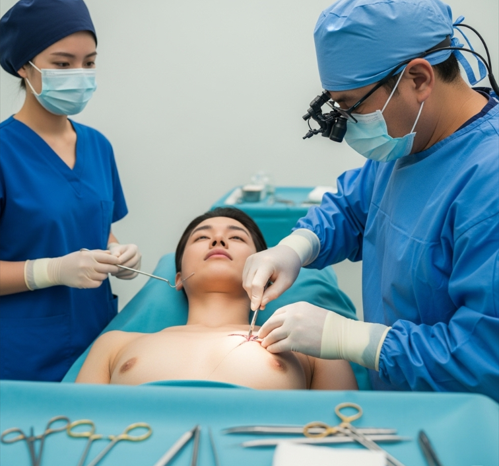
Breast Implant Removal in Korea, also known as Explant Surgery, is a procedure to safely remove breast implants for medical, aesthetic, or personal reasons. This may include complications such as capsular contracture, implant rupture, breast implant illness (BII), dissatisfaction with implant size, or desire to restore natural breast shape.
Korean plastic surgeons are globally recognized for their precision, minimally invasive techniques, and natural-looking outcomes, making Korea a leading destination for implant removal procedures.
Purpose & Benefits
The main goal of breast implant removal is to restore the natural contour of the breasts while alleviating discomfort or health concerns.
Key benefits include:
- Relief from pain, tightness, or discomfort caused by implants
- Correction of breast deformities or asymmetry
- Reduction in autoimmune-like symptoms associated with BII
- Restoration of natural breast shape and contour
- Option to combine with breast lift, fat grafting, or capsulectomy
- Minimal scarring and aesthetically pleasing results
Ideal Candidates
Breast implant removal is recommended for individuals who:
- Wish to remove implants for personal, medical, or aesthetic reasons
- Experience complications such as capsular contracture, implant rupture, or BII symptoms
- Seek breast contour restoration or correction after previous augmentation
- Desire combination procedures like lift or fat grafting for enhanced results
- Are in good health and have realistic expectations
Possible Risks & Complications
Although Korean clinics use advanced techniques, potential risks include:
- Swelling, bruising, or tenderness
- Temporary numbness or changes in nipple sensation
- Minor asymmetry after removal
- Infection or delayed wound healing
- Visible scars along incision lines
- Rare complications related to anesthesia
Surgical Techniques Used
Korean surgeons utilize advanced, safe techniques for implant removal:
- Simple Explant Surgery: Removal through original incision sites with minimal tissue trauma
- En Bloc or Total Capsulectomy: Complete removal of the implant along with surrounding scar tissue, recommended for BII or capsular contracture
- Partial Capsulectomy: Only the affected capsule is removed for structural support
- Combination with Breast Lift or Fat Grafting: Restores breast volume and contour post-removal
- Minimally Invasive Incisions: Strategic placement of incisions to minimize visible scarring
Recovery & Aftercare
Recovery is patient-focused and closely monitored in Korea:
- Light activities can resume within 5–7 days
- Swelling and bruising generally subside in 2–3 weeks
- Compression garments recommended for 4–6 weeks
- Avoid strenuous activity or chest exercises for 4–6 weeks
- Regular follow-ups monitor healing, symmetry, and scar formation
Results & Longevity
- Immediate relief from discomfort and tightness after surgery
- Gradual restoration of natural breast contour
- Long-term improvement in implant-related complications and BII symptoms
- When combined with lift or fat grafting, results are aesthetic, natural, and long-lasting
- Scarring minimized with Korea’s advanced surgical techniques
Treatment Process in Korea
Korea is a top destination for breast implant removal due to expert surgical techniques and comprehensive patient care:
- Consultation: Evaluation of implants, scar tissue, and systemic symptoms
- Customized Surgical Plan: Technique selected based on severity, presence of BII, and aesthetic goals
- Surgical Procedure: Simple removal, en bloc, or total capsular excision
- Optional Combination Procedures: Breast lift, fat grafting, or reconstruction to restore shape
- Post-Operative Care: Compression garments, medications, and structured follow-up
- Medical Tourism Support: English-speaking coordinators, recovery accommodations, and international patient guidance
- Holistic Monitoring: Clinics may provide follow-up for autoimmune-like symptoms associated with implants
Cost Range
Breast implant removal costs in Korea vary depending on complexity and combination procedures:
- Simple Explant Surgery: ₩5,000,000 – ₩9,000,000 KRW
(Approx. $3,800 – $7,000 USD) - En Bloc / Total Capsulectomy: ₩9,000,000 – ₩18,000,000 KRW
(Approx. $6,900 – $13,800 USD) - Explant with Lift or Fat Grafting: ₩10,000,000 – ₩20,000,000 KRW
(Approx. $7,600 – $15,200 USD)
Additional Costs:
- Pre-op assessments and imaging: ₩150,000 – ₩500,000 KRW ($115 – $380 USD)
- Compression garments and medications: ₩150,000 – ₩400,000 KRW ($115 – $300 USD)
- Follow-up visits: ₩50,000 – ₩200,000 KRW ($40 – $150 USD)
Popular Clinics
Top clinics in Korea for breast implant removal include:
- Banobagi Plastic Surgery Clinic – specializes in safe explant and en bloc capsulectomy
- JK Plastic Surgery Center – internationally accredited, experienced in BII and revision surgery
- ID Hospital Seoul – advanced minimally invasive techniques and reconstruction
- View Plastic Surgery Hospital – precision in implant removal and breast contour restoration
- Regen Plastic Surgery – focuses on natural aesthetics, symmetry, and minimal scarring


