
Treatment Overview
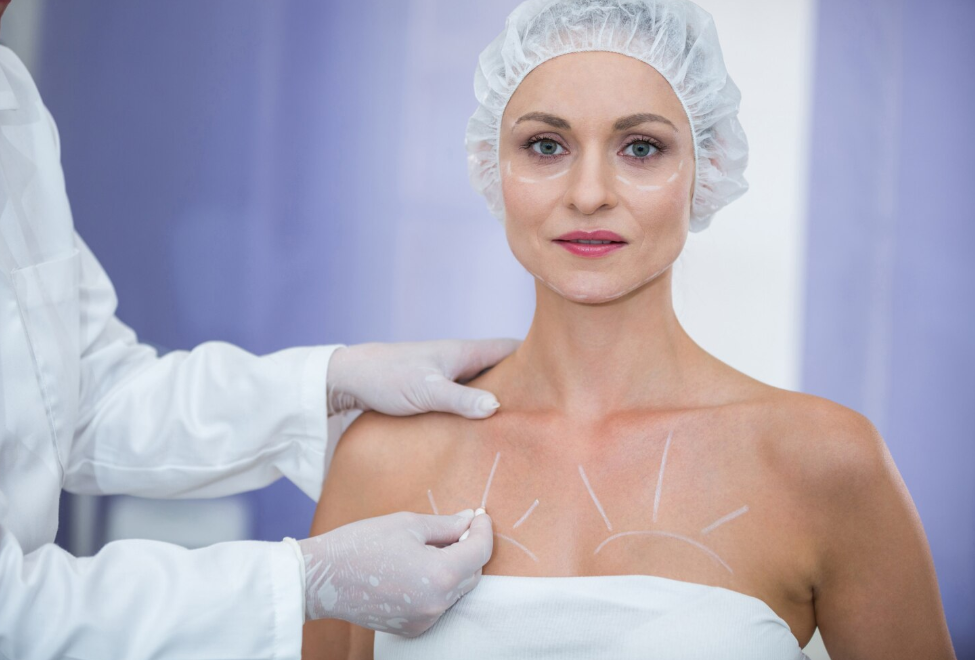
Breast Lift in Korea, medically known as mastopexy, is a cosmetic surgery procedure designed to raise, firm, and reshape sagging breasts. Unlike breast augmentation, which focuses on enlarging the breasts with implants or fat grafting, a breast lift restores youthful positioning by removing excess skin, tightening tissue, and repositioning the nipple-areola complex.
In Korea, breast lift surgeries are performed with precision-driven techniques, advanced technology, and an emphasis on natural-looking results. Many patients choose to combine a lift with breast augmentation using implants or fat grafting for both volume and improved breast shape.
Purpose & Benefits
The primary purpose of a breast lift is to correct sagging and restore perky, youthful breasts.
Key benefits include:
- Lifting drooping breasts for a firmer, more youthful contour
- Improving breast symmetry and overall proportion
- Reshaping elongated or stretched breast tissue
- Correcting downward-pointing nipples or enlarged areolas
- Option to combine with implants for enhanced volume
Ideal Candidates
You may be a good candidate for breast lift surgery in Korea if you:
- Have sagging breasts due to aging, pregnancy, breastfeeding, or weight loss
- Experience nipples that fall below the breast crease
- Have stretched skin or enlarged areolas
- Are satisfied with your breast size but want improved positioning
- Are in good health and have realistic expectations
Possible Risks & Complications
While Korea is known for its high safety standards, all surgeries carry potential risks. These include:
- Temporary swelling, bruising, or discomfort
- Scarring (minimized with advanced Korean techniques)
- Changes in nipple or breast sensation
- Infection or delayed healing
- Asymmetry or irregularities in shape
- Rare complications from anesthesia
Surgical Techniques Used
Korean plastic surgeons use customized incision techniques depending on the degree of sagging:
- Periareolar (Donut Lift): Incision around the areola, ideal for mild sagging.
- Vertical (Lollipop Lift): Incision around the areola and vertically down, common for moderate sagging.
- Anchor (Inverted-T Lift): For significant sagging, reshaping the breast with maximum precision.
- Combined Lift with Augmentation: Often paired with implants or fat grafting for both volume and lift.
Special techniques in Korea emphasize minimal scarring, natural nipple positioning, and balanced breast proportions.
Recovery & Aftercare
Recovery from a breast lift in Korea is patient-focused and efficient.
- Light activities can usually be resumed in 1 week.
- Stitches are typically removed after 7–10 days.
- Compression bras should be worn for 4–6 weeks.
- Swelling decreases in 2–3 weeks, with final results settling within 2–3 months.
- Korean clinics provide laser scar treatments, lymphatic drainage massages, and structured follow-up care for faster, safer recovery.
Results & Longevity
Results are visible immediately, but final breast shape refines over 2–3 months.
- Breast lifts typically last 10–15 years, though aging, pregnancy, and weight fluctuations may affect long-term results.
- When combined with implants, results often appear more youthful and longer-lasting.
- Korean techniques focus on natural breast proportions rather than over-correction, ensuring lasting elegance.
Treatment Process in Korea
Korea is a global hub for breast lift surgery, offering advanced and patient-centered care.
- Comprehensive Consultation: Surgeons use 3D simulation technology to preview results, allowing patients to visualize different lift techniques and implant options if combined with augmentation.
- Unique Korean Aesthetic Philosophy: Focus on natural femininity, ensuring breasts complement the patient’s body shape rather than appearing artificial.
- Advanced Surgical Technology: Minimally invasive endoscopic-assisted techniques reduce scarring and improve precision.
- International Patient Services: English-speaking staff, personalized medical tourism packages, and dedicated aftercare programs for overseas patients.
- Holistic Care: Many clinics provide nutritional counseling, recovery accommodations, and scar-reduction therapies as part of treatment.
Cost Range
The cost of a breast lift in Korea is competitive compared to Western countries while offering world-class results.
- Typical Cost Range: ₩7,000,000 – ₩13,000,000 KRW
(Approx. $5,300 – $9,900 USD)
Factors Influencing Cost:
- Degree of sagging and complexity of surgery
- Type of incision technique used (donut, lollipop, anchor)
- Whether implants or fat grafting are added
- Surgeon’s reputation and experience
- Clinic facilities and aftercare packages
Additional Costs to Consider:
- Pre-op medical tests: ₩150,000 – ₩400,000 KRW ($115 – $300 USD)
- Post-op garments & compression bras: ₩200,000 – ₩500,000 KRW ($150 – $380 USD)
- Optional scar laser treatment: ₩300,000 – ₩700,000 KRW ($230 – $530 USD per session)
- Accommodation packages for international patients: ₩800,000 – ₩2,000,000 KRW ($600 – $1,500 USD for 1–2 weeks)
Popular Clinics
Some of the most trusted clinics for breast lift in Korea include:
- Banobagi Plastic Surgery Clinic – known for combining augmentation and lift for balanced results
- JK Plastic Surgery Center – internationally accredited with premium medical tourism support
- View Plastic Surgery Hospital – advanced 3D imaging and customized breast lift methods
- ID Hospital Seoul – specialized in complex breast surgeries and revision cases
- Regen Plastic Surgery – offers hybrid breast lift (with fat grafting or implants) for natural fullness


