
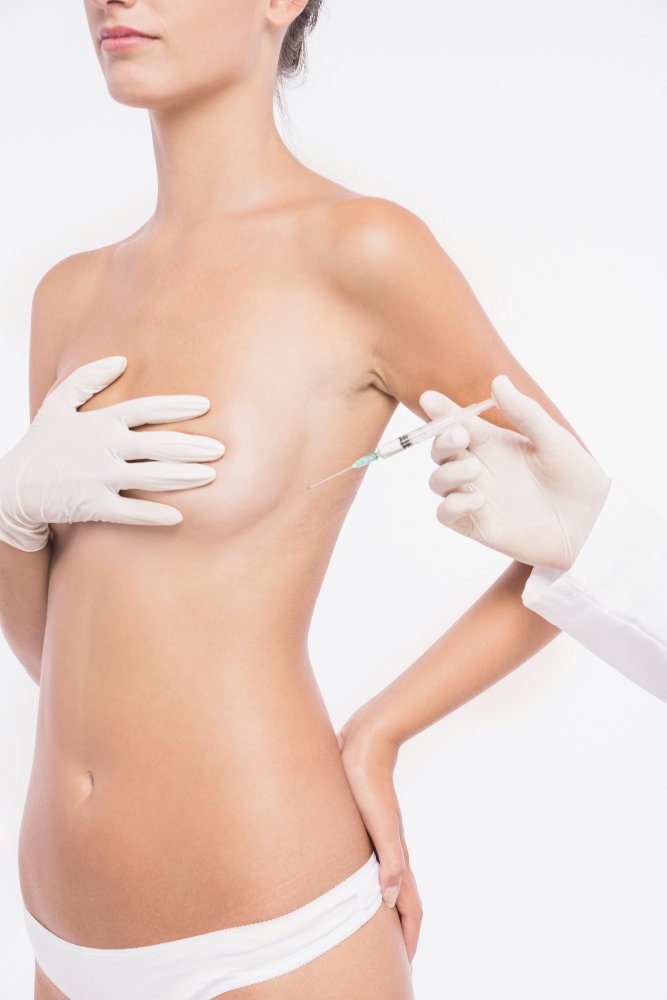
Treatment Overview
Breast Lift in Korea, medically known as mastopexy, is a cosmetic procedure designed to lift and reshape sagging breasts by removing excess skin, tightening breast tissue, and repositioning the nipples for a more youthful, perky appearance. Unlike breast augmentation, which adds volume, a breast lift focuses on restoring firmness, symmetry, and natural contour.
Korean plastic surgeons are internationally recognized for their advanced techniques that emphasize minimal scarring, natural results, and long-lasting outcomes. Many clinics also offer the option to combine breast lift with implants or fat grafting, creating both lift and volume for patients seeking fuller breasts.
Purpose & Benefits
- Restores Firmness: Lifts sagging breasts caused by aging, pregnancy, or weight loss.
- Improves Breast Shape: Creates a perkier, more youthful contour.
- Nipple & Areola Repositioning: Aligns them to a natural, forward-facing position.
- Enhanced Symmetry: Corrects uneven breast height or drooping.
- Confidence Boost: Improves self-image and clothing fit.
- Customizable: Can be combined with augmentation or reduction depending on goals.
Ideal Candidates
- Women with sagging or drooping breasts (ptosis).
- Patients whose breasts have lost firmness due to pregnancy, breastfeeding, or weight fluctuations.
- Individuals with nipples pointing downward or sitting below the breast crease.
- Adults in good health and stable weight.
- Non-smokers with realistic expectations.
Possible Risks & Complications
- Temporary bruising, swelling, or discomfort.
- Visible scarring (though minimized with advanced Korean techniques).
- Changes in nipple sensation (temporary or permanent).
- Rare risks: infection, poor wound healing, or asymmetry.
- Delayed healing if combined with augmentation or reduction.
Surgical Techniques Used
- Crescent Lift: For mild sagging; minimal incision around top half of areola.
- Periareolar (Donut) Lift: Incision around the areola; corrects mild to moderate sagging.
- Vertical (Lollipop) Lift: Incision around areola and vertically down to crease; for moderate sagging.
- Anchor (Inverted-T) Lift: Larger incisions for severe sagging with maximum reshaping.
- Combination Procedures: Often paired with implants or fat grafting for volume, or with reduction for smaller, firmer breasts.
Recovery & Aftercare
- 1–2 weeks: Swelling and bruising peak, then gradually subside.
- Supportive bra worn for 4–6 weeks to support healing.
- 1 week: Resume light daily activities.
- 4–6 weeks: Return to exercise and chest workouts.
- 3–6 months: Final breast shape visible after tissues settle and scars begin to fade.
Aftercare Guidelines:
- Sleep on your back for the first few weeks.
- Avoid heavy lifting during early recovery.
- Scar care treatments (creams or lasers) may be recommended.
Results & Longevity
- Firmer, perkier breasts with improved contour.
- Nipple and areola naturally repositioned.
- Long-lasting results with stable weight and healthy lifestyle.
- Scars fade significantly over time.
- Can be combined with augmentation for both lift and volume.
Treatment Process in Korea
1. Initial Consultation & Assessment
- Surgeons evaluate breast sagging (ptosis) and overall shape.
- Discussion of lift type and whether to combine with implants or fat grafting.
2. Surgical Planning & Preparation
- Incision pattern selected (crescent, donut, lollipop, or anchor).
- Choice of anesthesia: usually general anesthesia.
3. Surgery Day
- Incisions made as planned.
- Excess skin removed and tissue reshaped.
- Nipples and areolas repositioned.
- If chosen, implants or fat grafting performed simultaneously.
4. Post-Operative Monitoring
- Supportive bra applied immediately.
- Patients discharged same day or after short hospital stay.
- Aftercare instructions provided.
5. Follow-Up & Refinement
- Follow-ups at 1 week, 1 month, and 3–6 months.
- Scar treatments offered if needed.
Why Korea is a Top Destination
- Surgeons highly skilled in scar-minimized breast lift techniques.
- Emphasis on natural, feminine results tailored to each patient.
- Advanced combination procedures (lift + implants, lift + fat grafting).
- Internationally accredited clinics with English-speaking staff.
- More affordable compared to Western countries, with world-class safety standards.
Cost Range
The cost of Breast Lift in Korea varies depending on degree of sagging, technique, and whether implants or fat grafting are added.
- Mild Lift (Crescent or Donut): USD $4,000 – $6,000
- Moderate Lift (Lollipop): USD $6,000 – $8,500
- Severe Lift (Anchor): USD $8,500 – $11,000
- Lift + Implant (Augmentation Mastopexy): USD $9,000 – $13,000
- Premium Clinics (3D Imaging, VIP Aftercare, Scar Management): USD $10,000 – $15,000
Additional Costs:
- Consultation & imaging: USD $100 – $300
- Supportive bras: USD $50 – $150
- Medications & aftercare: USD $100 – $200
Popular Clinics
- Banobagi Plastic Surgery (Seoul): Experts in breast lift + augmentation combinations.
- ID Hospital (Seoul): Known for advanced scar-minimizing mastopexy.
- JK Plastic Surgery Center (Seoul): JCI-accredited, trusted by international patients.
- View Plastic Surgery Clinic (Seoul): Specialists in natural breast reshaping with lift + fat grafting.
- JW Plastic Surgery (Seoul): Experienced in all types of breast lift techniques.


