
Treatment Overview
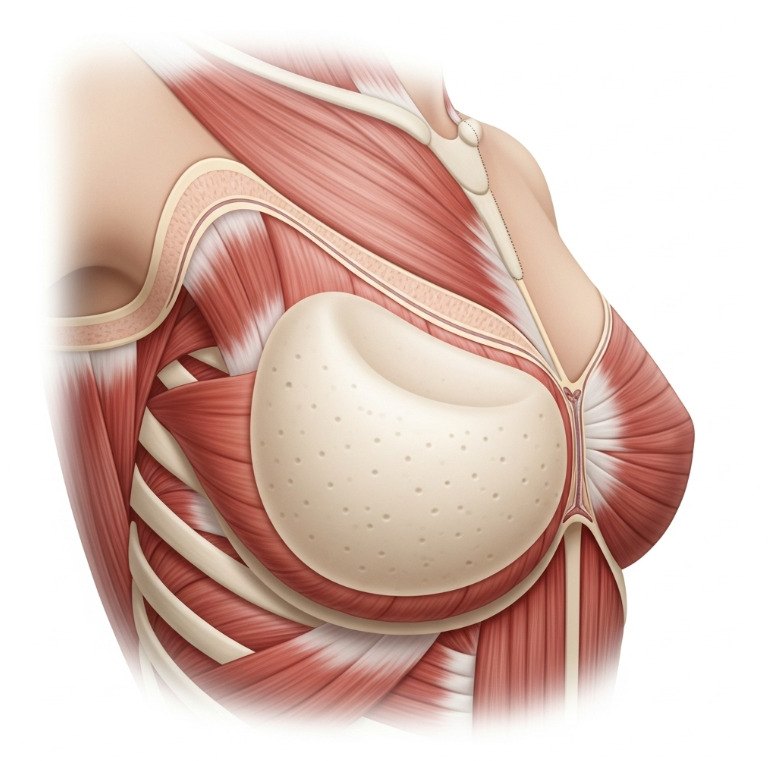
Breast Reduction in Korea, also known as reduction mammoplasty, is a surgical procedure designed to reduce the size and weight of overly large breasts by removing excess fat, glandular tissue, and skin. The surgery not only creates smaller, lighter, and more proportionate breasts but also alleviates physical discomforts such as back pain, neck strain, and skin irritation.
Korean plastic surgeons are internationally recognized for their expertise in scar-minimizing techniques and natural reshaping, ensuring that the breasts are not only smaller but also lifted, symmetrical, and youthful in appearance. Many clinics also combine breast reduction with a breast lift (mastopexy) for optimal contouring.
Purpose & Benefits
- Relieves Physical Discomfort: Reduces back, neck, and shoulder pain.
- Improves Posture & Mobility: Easier to exercise and perform physical activities.
- Balanced Proportions: Creates breasts that are more in harmony with body shape.
- Improved Clothing Fit: Easier to find well-fitting tops and bras.
- Enhanced Confidence: Restores self-image by addressing overly large breasts.
- Dual Benefit: Provides both functional relief and cosmetic improvement.
Ideal Candidates
- Women with overly large breasts (macromastia or gigantomastia).
- Patients experiencing chronic pain in back, neck, or shoulders.
- Individuals with skin rashes or irritation under the breasts.
- Adults in good health and stable weight.
- Non-smokers with realistic expectations.
- Women with asymmetry or sagging who want both size reduction and lifting.
Possible Risks & Complications
- Temporary swelling, bruising, and discomfort.
- Scarring (minimized with advanced Korean techniques).
- Changes in nipple or breast sensation (may be temporary or permanent).
- Rare risks: infection, poor wound healing, or asymmetry.
- Potential difficulty with breastfeeding (depending on technique used).
Surgical Techniques Used
- Liposuction-Only Reduction: For breasts with more fat and good skin elasticity.
- Vertical (Lollipop) Incision: Removes tissue with incision around areola + vertical scar; suitable for moderate reduction.
- Anchor (Inverted-T) Incision: Best for large reductions; removes tissue and excess skin, repositions nipple.
- Areola Reduction (if needed): Resizes areola for balance.
- Combination with Breast Lift: Enhances firmness and nipple positioning.
Recovery & Aftercare
- 1–2 weeks: Swelling, bruising, and soreness gradually decrease.
- Supportive bra worn for 4–6 weeks to support healing.
- 1 week: Return to office work and light activities.
- 4–6 weeks: Resume exercise and heavy lifting.
- 3–6 months: Final results visible as swelling subsides and scars begin to fade.
Aftercare Guidelines:
- Sleep on your back to avoid pressure on breasts.
- Avoid underwire bras until fully healed.
- Scar care treatments (creams or lasers) may be recommended.
Results & Longevity
- Smaller, lighter, and more proportionate breasts.
- Long-term relief from physical discomfort.
- Improved posture, comfort, and mobility.
- Scars fade significantly over time with proper care.
- Results are long-lasting but may be affected by weight changes, pregnancy, or aging.
Treatment Process in Korea
1. Initial Consultation & Assessment
- Surgeons evaluate breast size, asymmetry, and patient goals.
- Discussion of incision type and whether a lift is needed.
2. Surgical Planning & Preparation
- Marking of incision lines (anchor, lollipop, or liposuction-only).
- Choice of anesthesia: typically general anesthesia.
3. Surgery Day
- Incisions made as planned.
- Excess fat, glandular tissue, and skin removed.
- Breasts reshaped and nipples repositioned for natural look.
4. Post-Operative Monitoring
- Supportive bra applied immediately.
- Patients monitored for a few hours or overnight if needed.
- Aftercare instructions provided.
5. Follow-Up & Refinement
- Follow-ups at 1 week, 1 month, and 3–6 months.
- Scar treatments available if necessary.
Why Korea is a Top Destination
- Surgeons highly experienced in functional + cosmetic breast surgery.
- Focus on scar-minimized and natural-looking results.
- Advanced surgical techniques for symmetry and firmness.
- Internationally accredited clinics with English-speaking staff.
- More affordable compared to Western countries, with world-class safety standards.
Cost Range
The cost of Breast Reduction in Korea varies depending on the degree of reduction, incision type, and clinic reputation.
- Small Reduction (liposuction-only): USD $5,000 – $7,000
- Moderate Reduction (lollipop technique): USD $7,000 – $9,500
- Large Reduction (anchor technique): USD $9,500 – $12,500
- Breast Reduction + Lift: USD $10,000 – $14,000
- Premium Clinics (3D imaging, VIP Aftercare, Scar Management): USD $12,000 – $16,000
Additional Costs:
- Consultation & imaging: USD $100 – $300
- Supportive bras: USD $50 – $150
- Medications & aftercare: USD $100 – $200
Popular Clinics
- Banobagi Plastic Surgery (Seoul): Specialists in large breast reductions with natural reshaping.
- ID Hospital (Seoul): Known for advanced anchor and vertical breast reduction techniques.
- JK Plastic Surgery Center (Seoul): JCI-accredited, trusted for scar-minimized surgeries.
- View Plastic Surgery Clinic (Seoul): Experts in breast lift + reduction for youthful contour.
- JW Plastic Surgery (Seoul): Highly experienced in breast reduction combined with areola correction.


