
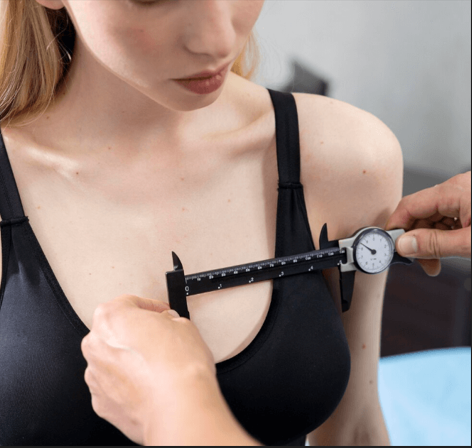
Treatment Overview
The Breast Self-Examination Education Program in Korea is a preventive women’s health initiative designed to empower women to take an active role in monitoring their breast health. This program focuses on teaching women the correct techniques for performing self-examinations, understanding normal breast anatomy, and recognizing signs of abnormalities.
Breast self-examination is an important complementary approach to clinical breast examinations and imaging-based screening such as mammography, ultrasound, or MRI. While it is not a substitute for professional screening, regular BSE helps women become familiar with their own breasts, improving the likelihood of noticing changes early.
Korea’s approach to BSE education integrates medical expertise with patient-centered learning, often incorporating interactive workshops, practical demonstrations, and digital resources. These programs are offered in hospitals, clinics, community centers, and through online platforms, making them accessible to a wide range of women.
Purpose & Benefits
The Breast Self-Examination Education Program aims to enhance breast cancer awareness and early detection by teaching women practical skills and knowledge.
Key benefits include:
- Empowerment: Women gain the confidence to monitor their own breast health.
- Early Detection: Regular BSE can help identify changes such as lumps, swelling, or skin texture differences.
- Awareness of Breast Health: Women learn about normal breast anatomy and what constitutes a change worth investigating.
- Complement to Clinical Screening: BSE supplements professional breast evaluations and imaging.
- Preventive Education: Encourages proactive health behavior and regular screening compliance.
Korea’s BSE education programs are structured to ensure that women of all ages understand the importance of regular self-exams and know exactly how to perform them.
Ideal Candidates
The Breast Self-Examination Education Program is suitable for:
- Women of all ages, starting from their 20s, for preventive health awareness.
- Women with dense breast tissue who may require more frequent monitoring.
- Individuals with a family history of breast cancer or other breast diseases.
- Women who want to actively participate in their own breast health care.
- Patients undergoing treatment for breast-related conditions who need to monitor changes.
In Korea, BSE education is integrated into broader women’s health programs, ensuring it reaches women across all risk profiles and age groups.
Possible Risks & Limitations
While BSE is a safe and non-invasive method of breast monitoring, there are limitations to keep in mind:
- False Sense of Security: BSE cannot replace professional screenings such as mammography or MRI.
- False Positives: Self-detected lumps may not always be cancerous, potentially causing unnecessary anxiety.
- Missed Abnormalities: Some changes, especially those deep within breast tissue, may not be detected through self-exam alone.
Korean programs emphasize that BSE should complement, not replace, regular clinical breast exams and imaging-based screening.
Techniques Used in Education
Korea’s Breast Self-Examination Education Programs use a combination of:
- Hands-On Demonstrations: Using breast models to teach correct palpation techniques.
- Step-by-Step Guides: Visual and written instructions for proper examination.
- Digital Tools: Videos, mobile applications, and online modules to facilitate learning.
- Workshops and Seminars: Led by healthcare professionals to answer questions and demonstrate methods.
- Personalized Guidance: Education adapted to the individual’s age, breast density, and health history.
These techniques ensure that women learn BSE effectively, with clear understanding and confidence.
Recovery & Aftercare
Since breast self-examination is non-invasive, no recovery is required. However, after learning the technique, ongoing self-monitoring is recommended.
Aftercare includes:
- Establishing a routine monthly self-examination schedule.
- Consulting a healthcare provider if changes or abnormalities are detected.
- Continuing professional breast screenings at recommended intervals.
- Accessing ongoing education and support resources provided by Korean clinics and health centers.
Korean breast health programs encourage women to maintain a healthy lifestyle, including exercise, balanced nutrition, and regular checkups, as part of holistic breast care.
Results & Longevity
The primary outcome of the BSE education program is enhanced awareness and proactive breast health monitoring. Regular self-examinations improve women’s ability to notice changes early, which can lead to earlier diagnosis and more effective treatment.
Women who participate in BSE education programs in Korea often develop lifelong habits of self-monitoring, contributing to sustained breast health awareness.
Treatment Process in Korea
The Breast Self-Examination Education Program in Korea is structured to be accessible, practical, and empowering:
- Enrollment: Women can join the program through hospitals, clinics, or online platforms.
- Orientation: Introduction to the importance of breast health and self-examination.
- Training Session: Hands-on demonstration of proper examination techniques using models or guides.
- Practice and Feedback: Guided self-examination practice with feedback from healthcare professionals.
- Follow-Up Support: Access to educational materials, online resources, and periodic refresher sessions.
Korean clinics integrate BSE education into broader breast health awareness campaigns, ensuring women receive ongoing support and encouragement.
Cost Range
The Breast Self-Examination Education Program in Korea is generally affordable:
- Group workshop sessions: ₩50,000–₩150,000 KRW ($40–$120 USD) per session.
- Individual training sessions: ₩150,000–₩300,000 KRW ($120–$240 USD).
- Online education programs: ₩30,000–₩80,000 KRW ($24–$64 USD) for access to digital learning materials.
Many clinics offer BSE education as part of broader breast health packages, which may include mammography or ultrasound screenings.
Popular Clinics
- Samsung Medical Center Breast Health Center – Offers structured BSE workshops and resources.
- Asan Medical Center Breast Imaging Center – Provides patient education alongside advanced breast screening.
- CHA Bundang Women’s Hospital – Integrates BSE training into comprehensive women’s health programs.
- Seoul National University Hospital (Breast Center) – Offers personalized BSE education for high-risk patients.
- Banobagi Women’s Clinic – Known for its proactive breast health education and preventive care programs.
- Ewha Womans University Medical Center – Promotes breast self-awareness through workshops and online resources.
Breast Self-Examination Education Program in Korea empowers women with the knowledge and skills to monitor their breast health confidently. When combined with professional screening and preventive care, BSE becomes a powerful tool in early detection and breast health maintenance. Korea’s program stands out for its accessibility, quality of training, and integration into a broader women’s health strategy, making it a model for breast health education worldwide.
If you want, I can now prepare the SEO meta title, meta description, and targeted keywords for “Breast Self-Examination Education Program in Korea” so it perfectly fits your Women’s Health / OBGYN SEO Master Structure.
Do you want me to proceed?


