
Treatment Overview
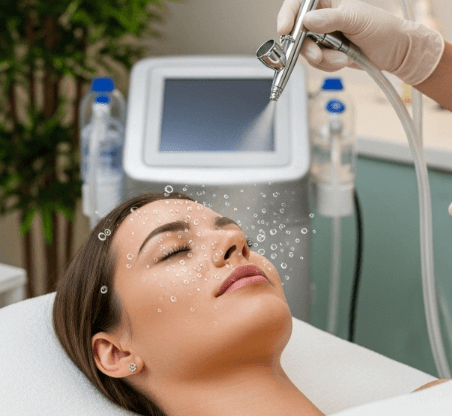
Brightening Oxygen Therapy in Korea is a popular MedSpa facial treatment designed to deeply infuse the skin with medical-grade oxygen and active brightening serums. This therapy helps revitalize dull skin, improve hydration, and restore a radiant glow, making it one of the most sought-after facial rejuvenation options in Korea’s advanced skincare industry.
Purpose & Benefits
The main purpose of Brightening Oxygen Therapy is to enhance skin tone, reduce dullness, and deliver vital nutrients deep into the skin. Benefits include instant brightness, improved elasticity, reduced fine lines, and a healthier complexion. The treatment is non-invasive, painless, and safe for most skin types, making it a go-to option for both locals and international patients seeking quick and noticeable results.
Ideal Candidates
This treatment is ideal for individuals with dull, tired-looking skin, uneven skin tone, or mild pigmentation concerns. It is also suitable for those experiencing skin dehydration or looking for a non-invasive way to refresh their appearance before events or important occasions.
Possible Risks & Complications
Brightening Oxygen Therapy is generally very safe. However, mild side effects such as temporary redness, tingling, or minor skin sensitivity can occur. These usually subside within a few hours. Choosing a certified clinic in Korea significantly reduces the risk of complications.
Surgical Techniques Used
Although Brightening Oxygen Therapy is non-surgical, it utilizes advanced delivery systems to infuse highly concentrated oxygen combined with customized brightening serums directly into the skin. Many Korean clinics use specialized oxygen infusion devices and patented brightening solutions that target pigmentation and enhance overall skin clarity.
Recovery & Aftercare
Recovery is virtually immediate, and patients can return to daily activities right after the session. Aftercare typically involves avoiding excessive sun exposure, using gentle skincare products, and maintaining proper hydration to prolong the brightening effect. Dermatologists in Korea may also recommend complementary treatments for enhanced results.
Results & Longevity
Most patients notice an immediate improvement in skin tone and hydration after a single session. For longer-lasting results, a series of treatments is usually recommended. With consistent sessions, skin brightness, smoothness, and hydration can last several weeks to months.
Treatment Process in Korea
Korea is widely regarded as a global leader in advanced skin treatments, and Brightening Oxygen Therapy reflects this reputation. Clinics in Seoul and other major cities use the most advanced oxygen infusion systems, often combined with Korean-developed brightening serums enriched with vitamins, peptides, and natural extracts. What makes Korea unique is the customization of the therapy based on individual skin concerns, ensuring highly personalized results. Korean dermatologists often integrate Brightening Oxygen Therapy with other MedSpa procedures, such as aqua peeling or LED light therapy, to maximize skin rejuvenation. This holistic, high-tech approach is one reason why Korea is a top destination for international patients seeking cutting-edge facial treatments.
Cost Range
The cost of Brightening Oxygen Therapy in Korea generally ranges between ₩80,000 to ₩200,000 KRW per session (approximately $60 – $150 USD), depending on the clinic, the expertise of the dermatologist, and whether additional treatments are combined. Package deals are often available for patients who want multiple sessions for sustained results.
Popular Clinics
Several leading clinics in Korea are renowned for offering Brightening Oxygen Therapy, including:
- Banobagi Dermatology Clinic (Seoul) – known for advanced skincare programs tailored to international patients.
- ID Hospital Skin Clinic (Seoul) – integrates medical-grade facials with innovative Korean skincare techniques.
- Oracle Dermatology Clinic – one of the largest dermatology networks in Korea, offering oxygen therapy with customized brightening serums.
- Rejuran Skin Clinic (Seoul) – specialized in anti-aging and brightening treatments using the latest Korean technologies.
- Cheongdam Yonsei Clinic – popular for luxury MedSpa facials and high-quality aesthetic dermatology services.


