
Treatment Overview
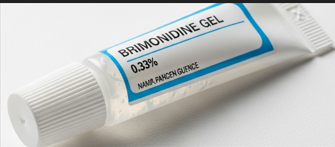
Brimonidine Gel Therapy is a Korean dermatology treatment primarily used for rosacea-related facial redness (erythema). The gel contains brimonidine tartrate, an alpha-adrenergic agonist that works by constricting dilated blood vessels in the skin. This reduces visible flushing and persistent redness without affecting underlying inflammation or pustules.
In Korea, brimonidine gel is often prescribed as a daily topical treatment and may be combined with laser therapies (e.g., V-beam, IPL) or anti-inflammatory regimens to enhance long-term control of rosacea.
For rosacea erythema, Brimonidine Gel Therapy:
- Provides rapid redness reduction (within 30 minutes of application).
- Improves confidence and appearance for patients with persistent flushing.
- Can be combined with vascular lasers for longer-term vascular improvement.
- Offers a non-invasive, at-home management option in Korea.
Purpose & Benefits
- Vasoconstriction Effect: Temporarily narrows dilated vessels to reduce redness.
- Improved Symptom Control: Especially effective for rosacea patients with flushing.
- Combination-Friendly: Complements laser or oral therapies.
- Quick Onset: Noticeable effect within half an hour.
- Non-Invasive: Simple topical application without downtime.
- Confidence Boost: Provides smoother, calmer skin tone before events or daily activities.
Ideal Candidates
Brimonidine Gel Therapy in Korea is recommended for:
- Patients with persistent facial erythema from rosacea.
- Those with social or emotional distress due to flushing.
- Individuals not ready for or needing maintenance between laser treatments.
- Adults who prefer a topical, non-invasive solution.
- Patients seeking event-based redness control (special occasions, public appearances).
Comparison with Other Treatments
- Brimonidine Gel: Best for temporary vascular constriction and redness control.
- Oxymetazoline Cream (Rhofade): Similar mechanism, sometimes longer duration.
- V-Beam Laser: Destroys abnormal blood vessels for more permanent results.
- IPL (Intense Pulsed Light): Improves flushing, pigmentation, and texture.
- Topical Metronidazole / Azelaic Acid: Anti-inflammatory, reduces bumps and pustules.
- Oral Doxycycline / Isotretinoin: Targets inflammation and papules/pustules, not redness.
Possible Risks & Complications
Brimonidine Gel is generally safe but may cause:
- Rebound Redness/Flushing: Redness may worsen after gel wears off in some cases.
- Skin Irritation: Dryness, itching, or stinging at application site.
- Allergic Reaction: Rare but possible with sensitive patients.
- Variable Duration: Effects last 8–12 hours, requiring daily reapplication.
Treatment Techniques Used
- Topical Application: Thin layer applied once daily to affected areas.
- Event-Based Use: Some patients use it before important social occasions.
- Combination Therapy: Often paired with V-beam, IPL, or topical anti-inflammatories.
- Long-Term Regimen: Continued use under dermatologist guidance for best results.
Recovery & Aftercare
- Immediately: Redness visibly reduced within 30 minutes.
- First Few Hours: Skin looks calmer and more even.
- End of Day: Effects gradually wear off, may need reapplication.
Aftercare Tips:
- Use gentle, fragrance-free skincare to avoid irritation.
- Apply broad-spectrum SPF 50+ sunscreen daily.
- Avoid alcohol, spicy foods, and heat exposure that may trigger flushing.
- Do not overapply; use a pea-sized amount for full face coverage.
Results & Longevity
- Short-Term (Single Application): Redness fades within 30–60 minutes, lasts 8–12 hours.
- Medium-Term (Weeks of Use): Improved quality of life and confidence.
- Long-Term: Requires ongoing use; effects are not permanent without combination laser therapy.
Treatment Process in Korea
- Consultation & Diagnosis – Dermatologist confirms rosacea type and triggers.
- Skin Prep – Gentle cleansing; dermatologist may test sensitivity.
- Brimonidine Gel Application – Thin, even layer applied to erythematous zones.
- Optional Add-Ons – V-beam, IPL, or soothing masks for long-term results.
- Post-Care Guidance – Sunscreen and barrier-protection emphasized.
- Follow-Up – Adjust dosage or frequency depending on response.
Why Korea is a Top Destination
- Dermatologists in Seoul are highly skilled in vascular rosacea management.
- Clinics combine brimonidine with advanced lasers for synergistic results.
- Korean protocols emphasize skin barrier repair alongside redness control.
- Affordable compared to Western dermatology clinics.
- Many clinics offer customized redness programs (gel + laser + infusions).
Cost Range (Detailed Breakdown)
Pricing for Brimonidine Gel Therapy in Korea:
- Brimonidine Gel (Prescription, 30g tube): USD 90 – 150.
- Dermatology Consultation: USD 20 – 40.
- Combination Session (Gel + V-beam / IPL): USD 250 – 500 per session.
- Premium Rosacea Package (Brimonidine + Laser + Barrier Therapy): USD 1,200 – 2,500 (4–6 sessions).
Additional costs in Korea:
- Barrier creams or soothing serums: USD 40 – 100.
- Add-on calming infusions: USD 150 – 400.
💡 Patients often call Brimonidine Gel the “event-ready redness fix”, as it delivers fast but temporary flushing control.
Popular Clinics in Seoul
- Oracle Dermatology – Brimonidine prescription with laser redness packages.
- Banobagi Dermatology – Combined rosacea programs with IPL and topical therapy.
- Renewme Skin Clinic – Vascular laser + brimonidine maintenance protocols.
- View Plastic & Dermatology – Event-based redness control with brimonidine gel + infusions.
- Chaum Anti-Aging Center – Luxury rosacea programs combining gels, lasers, and barrier repair.


