
Treatment Overview
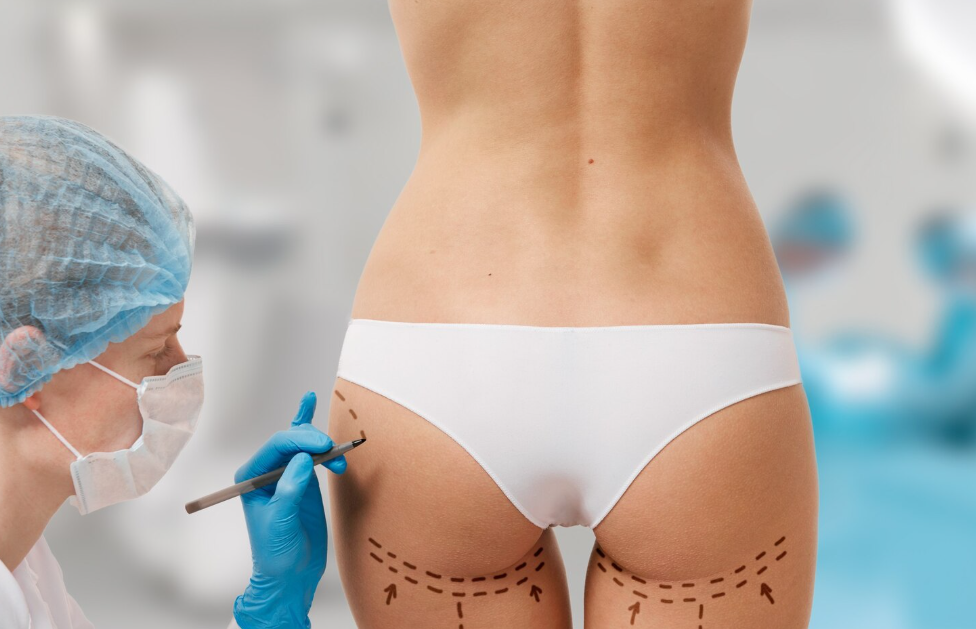
Buttock Contouring in Korea is a cosmetic body-shaping procedure designed to improve the shape, symmetry, and proportion of the buttocks. It can involve a range of techniques depending on the patient’s needs, including liposuction, fat grafting (Brazilian Butt Lift / BBL), buttock lift, or implant augmentation. The goal is to create a balanced and aesthetically pleasing silhouette, enhancing harmony between the waist, hips, thighs, and buttocks.
Korean plastic surgeons are highly skilled in precision body sculpting, scar minimization, and natural results, making Korea a leading destination for patients seeking buttock enhancement. Many clinics also provide customized contouring plans using 3D simulation and advanced fat transfer techniques, ensuring results that match both aesthetic goals and body type.
Purpose & Benefits
- Volume Enhancement (BBL or Implants): Achieves fuller, rounder buttocks.
- Fat Reduction: Liposuction from waist/flanks to improve proportions.
- Skin Tightening / Lifting: Removes sagging tissue for firmer contours.
- Symmetry Improvement: Balances uneven buttocks.
- Enhanced Silhouette: Accentuates hourglass figure by reshaping waist-to-hip ratio.
- Confidence Boost: Improves appearance in fitted clothing, dresses, and swimwear.
Ideal Candidates
- Patients seeking a fuller, firmer, or lifted buttock appearance.
- Individuals with sagging or flat buttocks due to weight loss, aging, or genetics.
- Adults in good overall health and at/near ideal weight.
- Patients with sufficient fat for grafting (BBL), or those open to implants if not.
- Non-smokers with realistic expectations.
Possible Risks & Complications
- Temporary swelling, bruising, or soreness.
- Numbness or sensitivity changes in treated areas.
- Contour irregularities (rare with experienced surgeons).
- For BBL: risk of fat absorption, requiring touch-up sessions.
- For Implants: risk of shifting or capsular contracture.
- Rare risks: infection, delayed healing, asymmetry, or fat embolism (minimized with Korean safety protocols).
Surgical Techniques Used
- Brazilian Butt Lift (BBL): Liposuction removes fat from abdomen/flanks, then purified fat is injected into buttocks for natural volume.
- Buttock Lift: Removes excess skin and lifts sagging buttocks for a firmer shape.
- Buttock Implants: Silicone implants placed for patients without sufficient donor fat.
- Combination (Liposuction + Lift or BBL): Most common for balanced, natural contouring.
- Scar-Minimizing Techniques: Fine sutures and scar-care therapies for discreet results.
Recovery & Aftercare
- 1–2 weeks: Swelling and bruising start to subside.
- Compression Garments: Worn for 4–6 weeks to support healing.
- For BBL: Avoid sitting directly on buttocks for 2–3 weeks; use a special cushion.
- 1–2 weeks: Resume light daily activities.
- 4–6 weeks: Return to moderate exercise (avoid high-impact glute workouts early).
- 6–12 months: Final results visible as swelling resolves and scars fade.
Aftercare Guidelines:
- Wear compression garments as directed.
- Sleep on your stomach or side after BBL/lift.
- Avoid smoking and maintain stable weight.
- Follow scar-care regimen (silicone sheets, gels, or laser therapy if needed).
- Attend follow-up visits for progress monitoring.
Results & Longevity
- Rounder, firmer, and more proportionate buttocks.
- Slimmer waistline and improved hip-to-waist ratio (if liposuction included).
- Long-lasting results—BBL fat cells are permanent, implants are durable.
- Buttock lift results are permanent with stable weight and lifestyle.
- Improved body confidence in fitted clothing and swimwear.
Treatment Process in Korea
- Initial Consultation & Assessment
- Surgeons evaluate body proportions and fat availability.
- Customized plan created (BBL, lift, implants, or combination).
- Surgical Planning & Preparation
- Incision or injection sites mapped.
- Choice of anesthesia: general anesthesia is common.
- Surgery Day
- Liposuction performed if fat transfer planned.
- Fat purified and reinjected (BBL), excess skin removed (lift), or implants placed.
- Closure with fine sutures for discreet scarring.
- Post-Operative Monitoring
- Compression garment applied immediately.
- Most patients discharged same day (extensive lifts may require overnight stay).
- Follow-Up & Refinement
- Follow-ups at 1 week, 1 month, 3–6 months.
- Touch-up fat transfer or scar refinement may be recommended.
Why Korea is a Top Destination
- Surgeons with expertise in proportion-based buttock enhancement.
- Safe and advanced fat transfer protocols to minimize BBL risks.
- State-of-the-art clinics with scar-care programs and 3D imaging.
- Options for BBL, implants, or hybrid approaches tailored to each patient.
- More affordable than Western countries, with world-class safety and artistry.
Cost Range
The cost of Buttock Contouring in Korea varies depending on the technique and clinic expertise.
- Buttock Liposuction Only: USD $4,500 – $6,500
- Brazilian Butt Lift (BBL): USD $7,000 – $10,500
- Buttock Lift (skin removal): USD $6,500 – $9,500
- Buttock Implants: USD $8,000 – $11,500
- Combination (Lipo + BBL or Lift): USD $9,000 – $13,000
- Premium Clinics (3D Imaging, VIP Aftercare, Advanced Scar Care): USD $10,000 – $15,000
Additional Costs:
- Consultation & imaging: USD $100 – $300
- Compression garments: USD $150 – $250
- Medications & aftercare: USD $100 – $300
Popular Clinics
- Banobagi Plastic Surgery (Seoul): Experts in BBL and buttock shaping with natural balance.
- ID Hospital (Seoul): Known for post-weight-loss buttock lifts and contouring.
- JK Plastic Surgery Center (Seoul): JCI-accredited, high safety for fat grafting and implants.
- View Plastic Surgery Clinic (Seoul): Leaders in waist-to-hip contouring with BBL.
- JW Plastic Surgery (Seoul): Provides customized buttock contouring with scar minimization.


