
Introduction
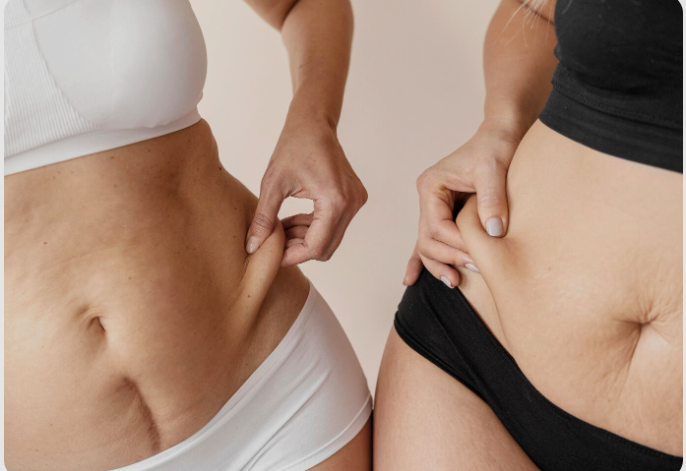
Stretch marks are a common concern, especially after pregnancy or significant weight changes. If you’re considering a tummy tuck for cosmetic improvement, you may be wondering: Can a tummy tuck get rid of stretch marks? The answer depends on the location of your stretch marks and your skin’s condition. This article explains how a tummy tuck works, what stretch marks it can remove, and what realistic results to expect.
How a Tummy Tuck Works
A tummy tuck (abdominoplasty) is a surgical procedure that removes excess skin and fat from the abdominal area and tightens the underlying muscles. The goal is to create a flatter, smoother stomach—and in the process, it can also eliminate some stretch marks, depending on where they are located.
Location Matters: Where Are Your Stretch Marks?
The effectiveness of a tummy tuck for stretch marks depends heavily on their position:
- Stretch marks below the belly button: These are the most likely to be removed during a tummy tuck. This skin is typically excised as part of the procedure.
- Stretch marks around the belly button: These may be partially removed or improved depending on how much skin is tightened and repositioned.
- Stretch marks above the belly button or on the flanks/sides: These are usually not removed, but may appear less noticeable due to overall skin tightening.
Realistic Outcomes: What to Expect
A tummy tuck is not designed specifically to treat stretch marks, but the procedure can improve the appearance of the abdominal skin overall. Here’s what most patients can expect:
What a Tummy Tuck Can Do:
- Remove skin with stretch marks in the lower abdomen
- Smooth and tighten surrounding skin, making remaining stretch marks less visible
- Improve confidence in body image and clothing fit
What a Tummy Tuck Can’t Do:
- Completely eliminate stretch marks outside the area of skin removal
- Prevent new stretch marks from forming due to future pregnancy or weight fluctuations
- Treat stretch marks on other body parts like hips, thighs, or breasts
Before and After: Visual Results
While individual outcomes vary, many patients see a dramatic reduction in stretch marks after a tummy tuck—particularly those located in the lower abdomen. Surgeons often share before-and-after photos during consultations so patients can set realistic expectations.
Common improvements include:
- Flatter stomach with smoother skin
- Partial or complete disappearance of stretch marks under the navel
- Enhanced overall tone and appearance of the midsection
Other Options for Stretch Marks
If your stretch marks are located outside the typical tummy tuck treatment area, or if surgery isn’t right for you, other treatments to consider include:
- Laser therapy (fractional CO2 or pulsed dye)
- Microneedling with PRP
- Radiofrequency skin tightening
- Topical treatments with retinoids (for early-stage marks)
These treatments won’t remove stretch marks completely but can improve their color, texture, and visibility over time.
Conclusion
Using a tummy tuck for stretch marks can be highly effective—especially if your marks are located in the lower abdomen. While it won’t remove all stretch marks, the procedure offers noticeable aesthetic improvement and a major confidence boost. Talk to a board-certified plastic surgeon to determine if you’re a good candidate and what kind of results you can expect


