
In today’s fast-paced world, anxiety, stress, and depression have become increasingly common. While traditional treatments like therapy and medication remain essential, more people are seeking integrative, holistic approaches to enhance their mental well-being. One emerging therapy gaining attention is NAD+ IV Therapy — but can it really help with anxiety, stress, and depression?
Let’s explore what NAD+ is, how it affects the brain, and what current research says about its role in mental health.
What Is NAD+?
Nicotinamide adenine dinucleotide (NAD+) is a vital coenzyme found in every cell of the body. It plays a crucial role in:
- Cellular energy production (via the mitochondria)
- DNA repair
- Gene expression
- Neurotransmitter regulation
- Immune function
As we age — or face chronic stress, illness, or poor lifestyle habits — NAD+ levels naturally decline, impairing these critical cellular functions. Replenishing NAD+ through intravenous (IV) therapy is believed to restore optimal cellular performance and improve overall health, including brain function.
How NAD+ Impacts the Brain and Mental Health
Low NAD+ levels have been linked to mitochondrial dysfunction, which is associated with various neurological and psychiatric disorders. Here’s how boosting NAD+ may help:
1. Neurotransmitter Balance
NAD+ helps regulate the synthesis and breakdown of key neurotransmitters like serotonin, dopamine, norepinephrine, and GABA, all of which play essential roles in mood regulation. An imbalance in these chemicals is a hallmark of anxiety and depression.
2. Improved Mitochondrial Function
The brain consumes a tremendous amount of energy. Mitochondria — the cell’s powerhouses — need NAD+ to function properly. Healthy mitochondrial activity improves cognitive clarity, emotional regulation, and resilience to stress.
3. Reduced Neuroinflammation
Chronic stress and depression are associated with low-grade inflammation in the brain. NAD+ supports the body’s natural anti-inflammatory pathways, potentially reducing this neuroinflammation.
4. Enhanced Stress Response
NAD+ supports adrenal function and may help regulate the hypothalamic-pituitary-adrenal (HPA) axis, the system responsible for managing the body’s response to stress.
What Does the Research Say?
While research on NAD+ IV therapy and mental health is still evolving, some promising findings suggest potential benefits:
- Case studies have reported reductions in anxiety, depression, and fatigue following NAD+ IV treatments.
- A 2019 review in Current Opinion in Psychiatry highlighted the role of mitochondrial dysfunction in psychiatric conditions and the potential of NAD+ restoration as a treatment pathway.
- Clinical trials are ongoing to evaluate NAD+ in addiction recovery, where mood stabilization is a key component of success.
Although large-scale randomized trials are limited, early evidence combined with anecdotal patient outcomes suggests NAD+ may be a useful adjunct to traditional psychiatric care.
What to Expect During NAD+ IV Therapy
During a typical session:
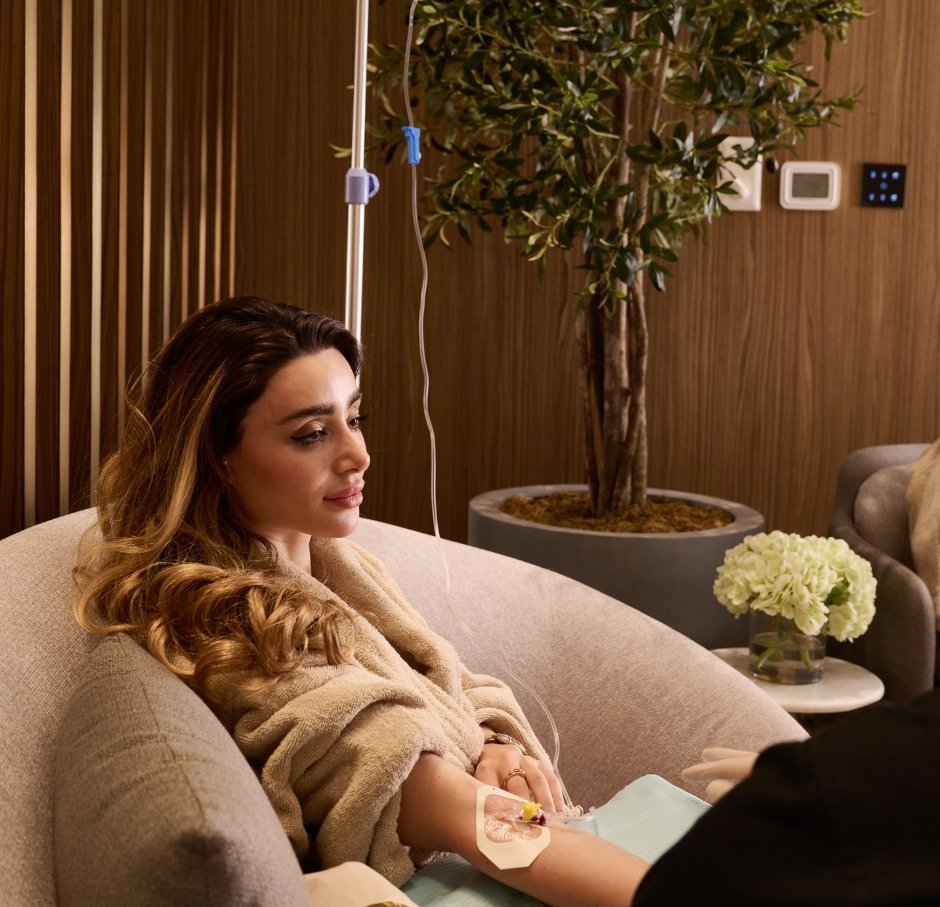
- NAD+ is infused directly into the bloodstream over 1 to 3 hours.
- Patients may feel mild sensations like warmth, chest pressure, or lightheadedness during infusion.
- The number of sessions varies — from a single booster to a full protocol over several days.
Treatments are often tailored based on individual goals — from brain fog and burnout to anxiety and mood regulation.
Is NAD+ IV Therapy Safe?
Yes, when administered by trained medical professionals, NAD+ IV therapy is generally safe. However, it’s important to:
- Undergo a medical consultation to evaluate your suitability.
- Avoid overuse; excessive NAD+ levels may cause temporary side effects like nausea or fatigue.
- Use NAD+ therapy as a complement, not a replacement, for proven treatments like cognitive-behavioral therapy (CBT) or antidepressants.
Who Might Benefit Most?
- Individuals experiencing chronic stress, burnout, or emotional exhaustion
- Patients with treatment-resistant depression or anxiety
- People seeking natural, supportive therapies for mood and cognitive health
- Those recovering from substance abuse or trauma-related disorders
Final Thoughts
While NAD+ IV therapy is not a cure for anxiety, stress, or depression, it shows promise as a supportive tool to enhance brain function, balance mood, and reduce mental fatigue. For many patients, it offers a holistic and cellular-level approach to mental wellness.
If you’re curious whether NAD+ IV therapy is right for your mental health goals, consult with a medical provider experienced in regenerative and integrative therapies.


