
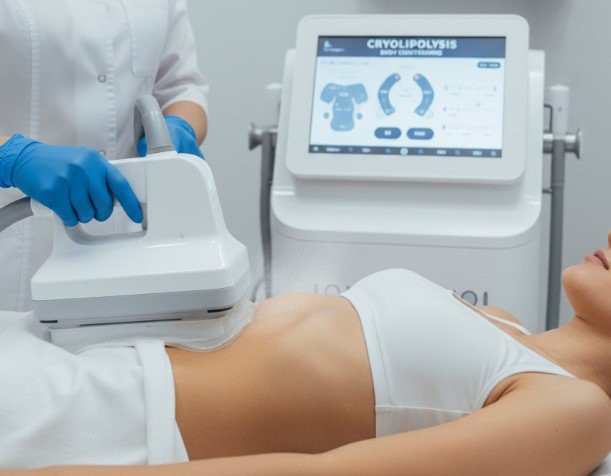
Treatment Overview
Carboxy Fat Dissolving Therapy is a non-surgical body contouring treatment that uses medical-grade carbon dioxide (CO₂) gas injections to break down fat deposits and improve circulation. When CO₂ is injected just beneath the skin, the body responds by increasing oxygen delivery, which enhances fat metabolism and stimulates collagen production. This results in both fat reduction and skin tightening.
In Korean dermatology clinics, Carboxy Fat Dissolving Therapy is widely used on the abdomen, thighs, buttocks, arms, flanks, and double chin. It is often combined with lipolytic injections, RF tightening, or mesotherapy to maximize slimming and firming effects.
Purpose & Benefits
- Fat Dissolving: Stimulates natural fat breakdown and metabolism.
- Skin Tightening: Improves elasticity by boosting collagen and elastin.
- Improved Circulation: Enhances oxygen flow for healthier skin and fat reduction.
- Cellulite Reduction: Smooths dimpling and uneven skin texture.
- Dual Effect: Reduces fat while tightening skin simultaneously.
Ideal Candidates
Carboxy Fat Dissolving Therapy in Korea is recommended for:
- Adults with localized fat deposits (abdomen, thighs, arms, or chin).
- Patients with loose or crepey skin alongside stubborn fat.
- Individuals seeking a non-surgical, minimally invasive slimming solution.
- Patients who want to reduce cellulite and stretch marks while slimming.
- Those combining therapy with RF, HIFU, or mesotherapy for stronger results.
Possible Risks & Complications
- Mild Pain or Tingling: Temporary, felt as CO₂ spreads under skin.
- Redness or Swelling: Usually subsides within hours.
- Bruising: Possible in sensitive areas.
- Variable Results: Best for mild to moderate fat deposits, not obesity.
- Not Suitable For: Pregnant women, patients with severe vascular issues, or uncontrolled metabolic diseases.
Surgical Techniques Used
- Carboxy Injection Method: Fine needles deliver CO₂ into subcutaneous tissue.
- Key Mechanisms:
- Lipolysis Activation: Increases oxygenation, helping break down fat cells.
- Collagen Remodeling: Stimulates fibroblasts for firmer skin.
- Circulation Boost: Enhances lymphatic drainage for fat elimination.
- Combination Therapy: Often paired with lipolytic injections, RF tightening, or laser lipolysis.
- Protocol: 6–10 sessions spaced 1–2 weeks apart, with maintenance every 6–12 months.
Recovery & Aftercare
- Immediately: Mild swelling, pressure, or warmth at injection site.
- 1–2 Days: Redness fades; skin feels firmer.
- After Several Weeks: Visible slimming and improved skin texture.
Aftercare Tips:
- Drink plenty of water to help flush dissolved fat.
- Avoid alcohol and heavy exercise for 24 hours.
- Use light massage if recommended by the dermatologist.
- Apply sunscreen (SPF 50+) if treated areas are exposed.
Results & Longevity
- After 1–2 Sessions: Skin feels tighter; minor fat reduction noticeable.
- After 4–6 Sessions: Visible slimming and cellulite reduction.
- After 8–10 Sessions: Significant fat loss, smoother texture, and firmer skin.
- Long-Term: Results last 6–12 months; lifestyle and maintenance sessions extend outcomes.
Treatment Process in Korea
1. Consultation & Body Analysis
- Dermatologist examines fat deposits, cellulite, and skin laxity.
- Customized Carboxy plan created.
2. Preparation
- Skin cleansed; numbing cream may be applied.
3. Carboxy Therapy Session
- Step 1: CO₂ gas injected into targeted fat areas with fine needles.
- Step 2: Mild pressure or warmth felt as gas spreads under skin.
- Step 3: Optional add-ons (lipolysis injections, RF, or HIFU).
4. Post-Treatment Care in Clinic
- Cooling cream applied if needed.
- Aftercare instructions provided.
5. Follow-Up
- 6–10 sessions recommended.
- Maintenance every 6–12 months.
Unique Korean Advantages
- Next-Gen Carboxy Devices: Advanced systems ensure safe, precise gas delivery.
- Safe for Asian Skin: Low risk of pigmentation or scarring.
- Holistic Programs: Carboxy therapy often paired with slimming injections and RF.
- Non-Surgical Slimming: Popular for patients avoiding liposuction.
- Affordable Packages: Multi-session deals available in Seoul clinics.
Cost Range (Estimated)
- Small Areas (Arms, Chin, Knees): USD 150 – 300 per session
- Medium Areas (Abdomen, Thighs, Buttocks): USD 300 – 600 per session
- Full Body Packages: USD 2,000 – 4,000
Additional Costs:
- Consultation: USD 20 – 50
- Add-ons (lipolysis injections, RF tightening, mesotherapy): USD 200 – 600 per session
- Premium Combination Programs (Carboxy + Lipolysis + RF): USD 3,000 – 6,000
Popular Clinics in Seoul
- Oracle Dermatology: Carboxy fat dissolving + RF contouring.
- Banobagi Dermatology: Carboxy for cellulite and post-pregnancy fat.
- Renewme Skin Clinic: Carboxy + mesotherapy fat reduction packages.
- View Plastic & Dermatology: Integrated Carboxy + lipolysis injection care.
- Chaum Anti-Aging Center: Premium body slimming with Carboxy + exosomes.


