
Treatment Overview
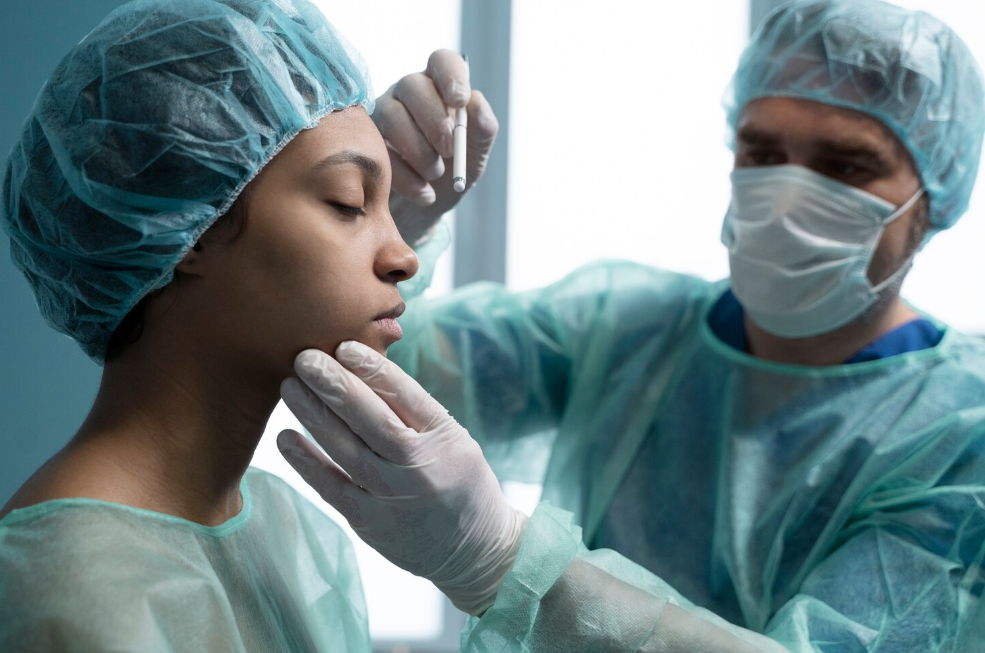
Cartilage graft revision rhinoplasty is a corrective nose surgery performed to improve the results of a previous rhinoplasty using cartilage grafts. This procedure addresses issues such as asymmetry, collapse, implant-related complications, or unnatural nasal contours. By using cartilage—commonly from the septum, ear, or rib—surgeons can rebuild and reinforce nasal structure while creating natural, balanced aesthetics.
In Korea, cartilage graft revision rhinoplasty is highly refined. Korean surgeons are globally recognized for their advanced grafting techniques, precision, and ability to handle complex secondary surgeries. By prioritizing both function and aesthetics, Korean clinics provide patients with long-lasting, natural results that restore confidence.
Purpose & Benefits
The main purpose of cartilage graft revision rhinoplasty is to reconstruct and refine the nose after a failed or unsatisfactory prior surgery. Benefits include:
- Rebuilding structural support lost during previous surgery.
- Correcting deformities, asymmetry, or irregular contours.
- Replacing problematic implants with natural cartilage.
- Enhancing nasal tip definition and stability.
- Improving nasal airflow and correcting collapse.
- Creating natural, long-lasting results.
Ideal Candidates
Cartilage Graft Revision Rhinoplasty in Korea is suitable for individuals who:
- Previously had rhinoplasty with unsatisfactory results.
- Suffer from implant-related complications such as shifting, contracture, or extrusion.
- Have structural issues like a pinched tip, saddle nose, or collapsed bridge.
- Want safer, more natural outcomes with autologous cartilage.
- Are in good overall health with realistic expectations.
Possible Risks & Complications
As a more complex revision surgery, potential risks include:
- Prolonged swelling and longer recovery time.
- Asymmetry or irregular healing.
- Cartilage absorption, warping, or graft shifting.
- Breathing difficulties if nasal function is compromised.
- Need for additional revision in rare cases.
Surgical Techniques Used
Korean surgeons use advanced grafting and reconstructive techniques for revision, including:
- Septal Cartilage Graft (if available): Preferred for minor corrections and internal support.
- Ear Cartilage Graft: Used for tip refinement and contouring due to its curved shape.
- Rib Cartilage Graft: Strong and abundant, ideal for major reconstruction or collapsed bridges.
- Fascia/Dermal Grafts: Placed over cartilage for smoother contours and to reduce visibility.
- Tip Reconstruction: Using cartilage to strengthen and refine nasal tip shape.
- Bridge Augmentation: Rebuilding a flattened or irregular nasal bridge.
Recovery & Aftercare
- Swelling & Bruising: More significant than primary surgery, improving within 2–4 weeks.
- Splints & Dressings: External splints worn for 1–2 weeks; internal supports may be placed temporarily.
- Downtime: Light activities resumed after 10–14 days.
- Final Results: Stabilize over 6–12 months as grafts heal and adapt.
- Aftercare in Korea: Clinics provide anti-swelling therapy, scar prevention treatments, LED therapy, and long-term follow-up care.
Results & Longevity
Cartilage graft revision rhinoplasty provides durable, natural-looking results. Unlike synthetic implants, autologous cartilage integrates into the body, reducing long-term complications. With Korea’s refined surgical methods, patients achieve both improved nasal function and aesthetics that last for years.
Treatment Process in Korea
1. Consultation
- Detailed analysis with CT scans or 3D imaging.
- Discussion of prior surgeries and graft options (ear or rib cartilage preparation if needed).
2. Pre-Surgery Care
- Full medical evaluation including nasal function tests.
- Customized surgical plan balancing function and aesthetics.
3. Surgery
- Performed under general anesthesia.
- Duration: 3–5 hours depending on complexity.
- Cartilage harvested, shaped, and grafted to rebuild nasal structure.
4. Immediate Post-Surgery Care
- Recovery room monitoring for several hours.
- Application of protective splints and dressings.
5. Follow-Up & Aftercare
- Anti-swelling injections, scar care, and breathing assessments provided.
- International patients receive full medical tourism support (translation, transfers, aftercare packages).
Why Korea?
- Global Leaders in Revision Surgery: Korean surgeons are among the most experienced in complex cartilage graft revisions.
- Advanced Grafting Techniques: Expertise in rib cartilage, fascia layering, and structural reinforcement.
- Natural Results: Focus on subtle, harmonious outcomes that blend with facial features.
- Comprehensive Medical Tourism: Full support for international patients, including interpreters, aftercare, and concierge services.
Cost Range
Cartilage graft revision rhinoplasty in Korea is more expensive than implant-based revisions due to complexity and graft harvesting.
- General Price Range: ₩9,000,000 – ₩20,000,000 KRW (approx. $7,200 – $16,000 USD).
- Basic Packages Include: Surgeon’s fee, anesthesia, surgery, and follow-up care.
- Premium Packages May Include:
- Rib or ear cartilage harvesting
- Fascia/dermal grafting for refinement
- 3D imaging consultations
- Anti-swelling and scar management therapies
- VIP recovery suites and medical tourism services
Popular Clinics
- Banobagi Plastic Surgery (Seoul): Experts in rib cartilage grafting with natural results.
- ID Hospital (Seoul): Renowned for structural reconstruction using advanced grafting techniques.
- JW Plastic Surgery Clinic: Specializes in complex cartilage graft revisions and functional corrections.
- View Plastic Surgery Clinic: Internationally popular for revision cases with comprehensive aftercare.
- MINE Plastic Surgery Clinic: Known for subtle refinements and scar-control in cartilage graft revisions.


