
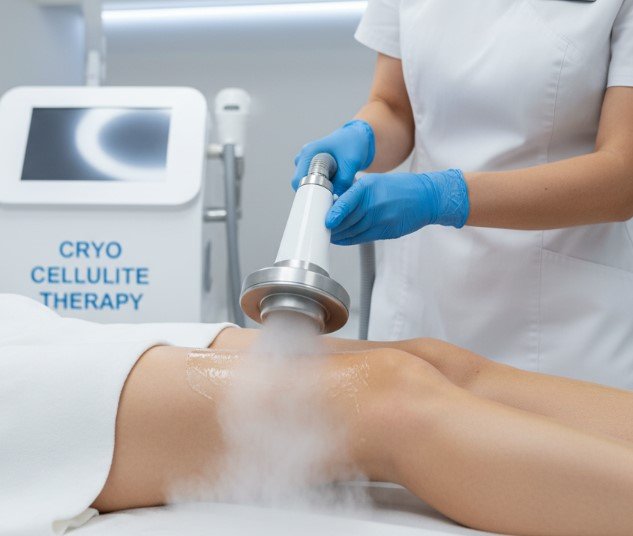
Treatment Overview
Cellulite Cryo Therapy, also known as cryolipolysis-based cellulite treatment, is a non-invasive body contouring and cellulite reduction procedure widely performed in Korean dermatology clinics. It works by applying controlled cooling to targeted fat layers, freezing fat cells without harming surrounding tissues. Over time, the body naturally eliminates the destroyed fat cells through metabolic processes, reducing cellulite, improving contour, and tightening skin.
In Korea, Cellulite Cryo Therapy is especially popular among patients who want a non-surgical solution for stubborn fat and cellulite in the thighs, buttocks, abdomen, and arms. Korean clinics often combine cryo therapy with RF (radiofrequency), mesotherapy, or lymphatic treatments to maximize results.
Purpose & Benefits
- Cellulite Reduction: Freezes and destroys fat cells contributing to dimpling.
- Fat Elimination: Targets localized fat pockets resistant to exercise.
- Skin Smoothing: Improves texture by reducing uneven bulges.
- Body Contouring: Slims and reshapes problem areas (waist, thighs, buttocks, arms).
- Non-Invasive: No surgery, no downtime, minimal discomfort.
Ideal Candidates
Cellulite Cryo Therapy in Korea is recommended for:
- Patients with mild to moderate cellulite on thighs, abdomen, buttocks, or arms.
- Adults struggling with stubborn fat despite exercise and diet.
- Individuals seeking non-surgical fat and cellulite reduction.
- Patients combining cryo therapy with RF or mesotherapy for skin tightening.
- Those preferring long-lasting, low-maintenance results.
Possible Risks & Complications
- Temporary Numbness or Redness: Due to cold exposure.
- Mild Swelling or Bruising: Common, subsides within days.
- Tingling or Sensitivity: May last for a few weeks in rare cases.
- Variable Results: Effectiveness depends on body fat composition and lifestyle.
- Not Suitable For: Pregnant women, patients with cold-related conditions (Raynaud’s, cryoglobulinemia).
Surgical Techniques Used
- Cryolipolysis Technology: Controlled cooling applied to fat layers to induce apoptosis (cell death).
- Key Mechanisms:
- Fat Freezing: Targets fat cells without damaging skin or muscle.
- Natural Elimination: Destroyed fat cells metabolized over 6–12 weeks.
- Collagen Stimulation (with add-ons): RF or mesotherapy may be combined for firmness.
- Combination Therapy: Frequently paired with RF tightening, lymphatic massage, or fat-dissolving injections.
- Protocol: 3–6 sessions, spaced 4–6 weeks apart, with optional maintenance every 6–12 months.
Recovery & Aftercare
- Immediately: Numbness, mild swelling, or redness; no downtime.
- 1–2 Weeks: Body begins eliminating fat cells, gradual improvements seen.
- After Several Sessions: Noticeable cellulite reduction and slimmer contour.
Aftercare Tips:
- Stay hydrated to help flush out fat cells.
- Massage treated areas to improve circulation.
- Avoid extreme cold exposure for a few days post-treatment.
- Maintain a healthy lifestyle for long-lasting results.
Results & Longevity
- After 1 Session: Mild tightening and slight reduction in fat bulges.
- After 2–3 Sessions: Visible cellulite reduction and smoother skin texture.
- After 4–6 Sessions: Significant slimming and long-lasting contour improvements.
- Long-Term: Results last 6–12 months or longer with proper lifestyle; maintenance sessions sustain outcomes.
Treatment Process in Korea
Consultation & Body Analysis
- Dermatologist assesses cellulite grade, fat distribution, and skin elasticity.
- Customized cryo protocol designed for targeted areas.
Preparation
- Treatment area cleaned, gel pad applied for skin protection.
Cryo Therapy Session
- Step 1: Applicator placed on problem area, suction draws tissue into cooling chamber.
- Step 2: Controlled cooling freezes fat cells for 30–60 minutes.
- Step 3: Gentle massage applied post-treatment to enhance circulation.
Post-Treatment Care in Clinic
- Cooling or soothing cream applied for comfort.
- Aftercare guidelines provided.
Follow-Up
- 3–6 sessions recommended for visible improvement.
- Maintenance every 6–12 months prolongs results.
Unique Korean Advantages
- Latest Cryo Devices: Clinics use advanced systems with improved comfort and safety.
- Combination-Oriented Programs: Often paired with RF, mesotherapy, or lymphatic massage.
- Safe for Asian Skin: Designed protocols minimize bruising and pigmentation risks.
- Holistic Approach: Addresses cellulite, fat reduction, and skin tightening together.
- Affordable Packages: Multi-session packages widely offered in Seoul.
Cost Range (Estimated)
- Single Cellulite Cryo Session: USD 200 – 400
- 3–6 Session Package: USD 800 – 2,500
- Premium Program (Cryo + RF + Mesotherapy): USD 2,500 – 5,000
Additional Costs:
- Consultation: USD 20 – 50
- Add-ons (fat-dissolving mesotherapy, collagen boosters): USD 150 – 400
- RF Tightening or HIFU: USD 200 – 500 per session
- Lymphatic Drainage Massage: USD 50 – 120
Popular Clinics in Seoul
- Oracle Dermatology: Cryo therapy combined with RF contouring.
- Banobagi Dermatology: Cryo fat-freezing with cellulite reduction programs.
- Renewme Skin Clinic: Cryo sessions paired with mesotherapy boosters.
- View Plastic & Dermatology: Integrated cryolipolysis + skin tightening protocols.
- Chaum Anti-Aging Center: Premium cryo therapy with regenerative and lymphatic add-ons.


