
Treatment Overview
Ceramic Fixed Dental Bridge in Korea is a modern restorative treatment designed to replace one or more missing teeth permanently using high-strength, aesthetic ceramic materials. The bridge is securely bonded to the surrounding natural teeth or dental implants, creating a seamless, natural-looking smile.
Korean dental clinics are internationally recognized for their digital precision and advanced ceramic technology, using CAD/CAM 3D design and fabrication to produce custom-made bridges that replicate the translucency and texture of natural enamel. Ceramic bridges are completely metal-free, ensuring excellent biocompatibility, resistance to discoloration, and long-term comfort.
This treatment is ideal for patients seeking durable, aesthetic, and natural-looking tooth replacements, combining the latest technology with the artistry of Korean dental craftsmanship.
Purpose & Benefits
The main purpose of the Ceramic Fixed Dental Bridge is to restore missing teeth while maintaining the natural harmony, balance, and function of the mouth using biocompatible ceramic materials.
Purpose:
- To permanently replace missing teeth with a fixed, natural-looking restoration.
- To maintain facial aesthetics by preventing jawbone or gum collapse.
- To improve chewing efficiency and speech clarity.
- To stabilize adjacent teeth and prevent shifting.
- To restore confidence through a natural, radiant smile.
Benefits:
- Natural Aesthetics: Ceramic closely mimics the look and feel of enamel.
- Metal-Free Biocompatibility: Prevents gum irritation and allergic reactions.
- Durable & Long-Lasting: Resistant to stains, wear, and temperature changes.
- Precision Fit: CAD/CAM technology ensures accuracy and comfort.
- Stain Resistance: Maintains long-term brightness and smoothness.
- Functional Stability: Restores full chewing and speaking function.
This treatment offers beauty, comfort, and long-term performance, making it one of Korea’s most popular dental restoration options.
Ideal Candidates
Ceramic Fixed Dental Bridges are suitable for patients looking for a permanent, natural, and durable tooth replacement solution.
Ideal Candidates Include:
- Individuals with one or more missing teeth surrounded by healthy teeth.
- Patients who want metal-free, aesthetic restorations.
- Those replacing old or discolored bridges or crowns.
- Patients preferring a non-removable, stable replacement.
- People with good oral hygiene and sufficient supporting tooth structure.
It’s perfect for patients seeking long-term functionality and aesthetic perfection through advanced restorative dentistry.
Possible Risks & Complications
While Ceramic Fixed Dental Bridges are safe and reliable, some minor considerations exist:
- Temporary Sensitivity: Mild discomfort after tooth preparation.
- Gum Irritation: Possible if oral hygiene is not maintained.
- Chipping Risk: Rare, but possible under excessive bite pressure.
- Adjustment Needs: Minor bite refinements may be required post-placement.
Korean dentists minimize these risks using high-precision scanning, top-quality materials, and expert bonding systems, ensuring comfort and longevity.
Surgical Techniques Used
Korean dental clinics employ advanced digital, adhesive, and ceramic fabrication techniques to ensure durability, precision, and natural beauty.
Common Techniques Include:
- Digital 3D Scanning (CAD/CAM): Creates an exact 3D model of the teeth for customized design.
- Tooth Preparation: Gently reshaping the supporting teeth to anchor the bridge.
- Ceramic Bridge Fabrication: Bridge milled or layered from premium ceramic for translucency and strength.
- Trial Fitting: Dentist ensures correct color, contour, and bite alignment.
- Resin Adhesive Bonding: Provides long-term stability and secure fixation.
- Finishing & Polishing: Produces an enamel-like surface with a smooth, glossy appearance.
These methods ensure high accuracy, long-lasting results, and natural aesthetics.
Recovery & Aftercare
Recovery after Ceramic Fixed Dental Bridge placement is typically fast and comfortable, allowing patients to return to normal routines immediately.
Aftercare Guidelines:
- Avoid hard or sticky foods for the first 24 hours after bonding.
- Brush twice daily with non-abrasive toothpaste.
- Use floss threaders or interdental brushes to clean under the bridge.
- Avoid grinding or clenching to prevent stress on the ceramic surface.
- Schedule regular dental visits for cleaning and maintenance.
Proper care ensures your bridge remains stable, beautiful, and long-lasting for years.
Results & Longevity
Ceramic Fixed Dental Bridges provide natural aesthetics, functional restoration, and long-term reliability, significantly improving oral health and appearance.
Expected Results:
- Seamless, natural smile enhancement.
- Restored chewing efficiency and bite alignment.
- Stable and comfortable fit without gum irritation.
- Resistance to stains and wear.
- Lifespan of 15–25 years or more with proper oral care.
Korean dental clinics use high-grade ceramic systems that retain brilliance, fit, and strength for decades.
Treatment Process in Korea
Korean dental clinics are world-renowned for digital precision and aesthetic excellence, ensuring that every ceramic bridge fits perfectly and looks naturally beautiful.
Step-by-Step Process:
- Consultation & Diagnosis: Dentist evaluates missing teeth and oral health using X-rays and 3D scans.
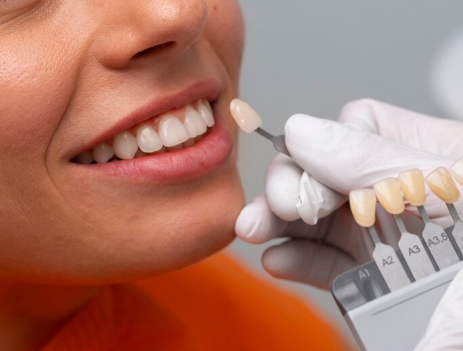
- Treatment Planning: Personalized design and shade matching to blend with natural teeth.
- Tooth Preparation: Adjacent teeth are shaped conservatively to anchor the bridge.
- Digital Impression (CAD/CAM): Creates a 3D model for precise fabrication.
- Bridge Fabrication: Crafted from high-quality ceramic using advanced milling or layering.
- Trial Fitting: Dentist checks fit, color harmony, and bite comfort.
- Bonding & Cementation: Bridge permanently fixed with resin-based cement.
- Polishing & Finishing: Final surface refinement for smoothness and shine.
- Final Evaluation: Dentist ensures comfort, aesthetics, and long-term stability.
This structured process ensures precision, functionality, and elegance, hallmarks of Korean restorative dentistry.
Why Korea Is a Top Destination
- Expert prosthodontists with experience in advanced ceramic bridge fabrication.
- Integration of CAD/CAM digital technology for superior accuracy.
- Use of biocompatible, metal-free materials for safe and long-lasting restorations.
- Personalized treatment planning for both local and international patients.
- Comprehensive post-treatment maintenance and follow-up care.
Korea’s blend of modern technology and aesthetic artistry makes it a global leader in restorative and cosmetic dentistry.
Unique Korean Methods & Technology
- AI-Assisted 3D Design: Ensures perfect bite alignment and symmetry.
- High-Translucency Ceramics: Replicates natural enamel light reflection.
- Digital Milling Systems: Achieve micro-level accuracy for perfect fit.
- Thermal and Pressure Curing: Enhances ceramic density and fracture resistance.
- Customized Shade Matching: Uses digital scanners to perfectly match natural teeth color.
These technologies provide exceptional aesthetic and structural outcomes in every restoration.
Cost Range
The cost of Ceramic Fixed Dental Bridge treatment in Korea depends on the number of units, material grade, and clinical complexity.
- Three-Unit Ceramic Bridge: ₩1,500,000 – ₩2,800,000 (USD $1,100 – $2,100)
- Premium Multi-Layer Zirconia or Lithium Disilicate Bridge: ₩3,000,000 – ₩4,500,000 (USD $2,200 – $3,400)
- Full-Arch Ceramic Bridge: ₩6,000,000+ (USD $4,500+)
Most Korean clinics include digital scanning, design, fabrication, and final bonding within their comprehensive treatment packages.
Popular Clinics
- Severance Dental Hospital (Yonsei University Health System): Specializes in aesthetic and restorative ceramic bridge treatments.
- Asan Medical Center (Seoul): Renowned for complex restorative and cosmetic dental procedures.
- Samsung Medical Dental Center (Seoul): Integrates CAD/CAM and AI-based fabrication.
- Seoul National University Dental Hospital: Offers advanced ceramic bridge solutions with academic precision.
- MizMedi Dental Clinic: Focuses on personalized ceramic bridge design and long-term care.


