
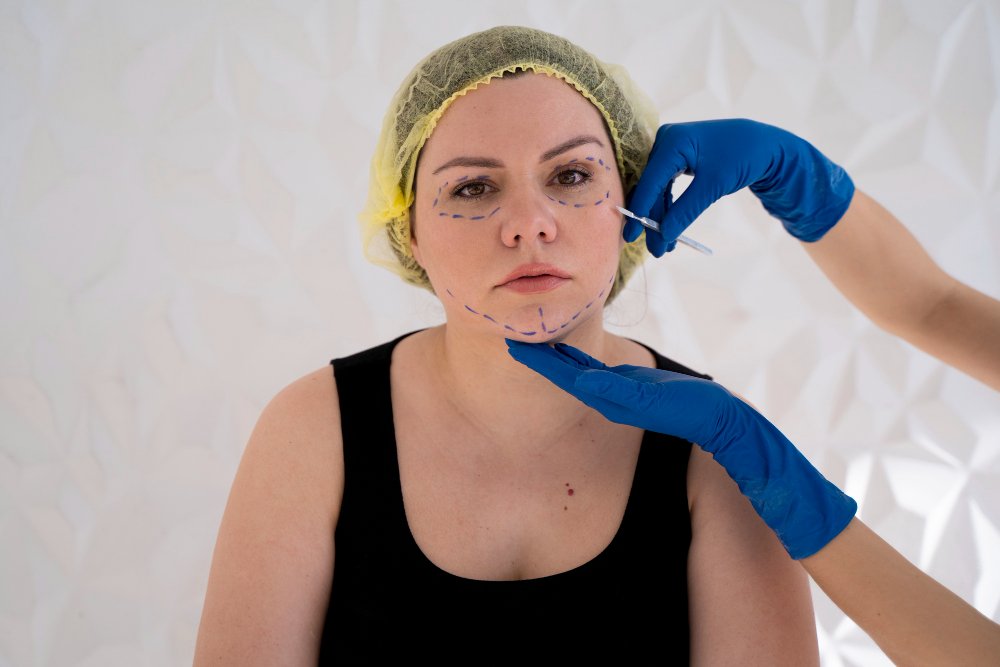
Treatment Overview
Cheek augmentation is a cosmetic procedure designed to enhance midface volume, definition, and harmony by using implants, fat grafting, or fillers. Well-defined cheeks are considered a hallmark of beauty, as they create a youthful, balanced, and attractive facial contour. In Korea, cheek augmentation is particularly popular because Korean plastic surgeons specialize in natural, subtle enhancements that harmonize with the rest of the face rather than looking artificial or overdone.
Cheek augmentation in Korea is performed with advanced surgical planning and scar-minimizing techniques, making it an attractive option for both local and international patients seeking refined midface aesthetics.
Purpose & Benefits
The main goal of cheek augmentation is to restore or enhance midface volume and balance.
Key benefits include:
- A more youthful and lifted appearance.
- Improved facial harmony and balance with the nose, chin, and jawline.
- Restoration of volume lost through aging.
- Sharper cheek definition for a more attractive profile.
- Long-lasting results (especially with implants or fat grafting).
Ideal Candidates
Cheek augmentation may be ideal for individuals who:
- Have naturally flat or underdeveloped cheeks.
- Have experienced volume loss due to aging, leading to sagging or hollowed cheeks.
- Want to achieve a more sculpted and defined midface.
- Desire permanent or long-lasting results rather than temporary filler treatments.
- Are in good overall health and have realistic expectations.
Possible Risks & Complications
While cheek augmentation is generally safe, potential risks include swelling, bruising, infection, implant shifting (if implants are used), or asymmetry. In fat grafting, some fat may be reabsorbed over time, requiring touch-ups.
In Korea, these risks are minimized through:
- 3D imaging and surgical simulation to ensure balanced results.
- Use of biocompatible implants and purified fat grafts.
- Advanced microsurgical techniques for precise placement.
- Postoperative scar and swelling management programs.
Surgical Techniques Used
There are several approaches to cheek augmentation in Korea, and the choice depends on patient goals:
- Cheek Implants: Solid silicone or porous polyethylene implants are inserted through small incisions inside the mouth or lower eyelid. This provides a permanent enhancement with minimal visible scarring.
- Fat Grafting (Autologous Fat Transfer): Fat is harvested from areas such as the thighs or abdomen, purified, and injected into the cheeks to restore natural volume. Korean clinics often use stem cell–enriched fat grafting for improved survival rates.
- Dermal Fillers: Hyaluronic acid fillers provide a non-surgical option for cheek enhancement with results lasting 12–18 months. Many Korean patients try fillers before committing to a permanent solution.
Korean surgeons often combine cheek augmentation with other facial contouring surgeries, such as chin augmentation, jawline contouring, or facelift, to achieve balanced and natural results.
Recovery & Aftercare
Recovery depends on the method used:
- Implants: Initial swelling and bruising last 1–2 weeks, with full healing in 4–6 weeks.
- Fat grafting: Swelling may last 1–2 weeks; some reabsorption occurs over 3–6 months.
- Fillers: Minimal downtime, with mild swelling resolving within days.
Korean clinics are renowned for their advanced aftercare programs, which may include:
- LED light therapy for faster healing.
- Scar and swelling management treatments.
- Regular follow-up appointments with 3D imaging to monitor results.
Results & Longevity
Results vary depending on the technique:
- Implants: Permanent and stable results.
- Fat grafting: Long-lasting, though some fat may reabsorb (typically 60–80% retention).
- Fillers: Temporary, lasting 12–18 months before requiring maintenance.
In all cases, the results aim to be natural and in harmony with the patient’s facial structure, which is the hallmark of Korean aesthetic surgery.
Treatment Process in Korea
Korea has become a top destination for facial contouring and augmentation, attracting patients worldwide. The treatment process typically includes:
- Detailed consultations with 3D facial scanning and simulation to predict results.
- Customized surgical plans designed for balance and subtle enhancement.
- Options to combine cheek augmentation with anti-aging procedures like facelift or midface lift for enhanced rejuvenation.
- Comprehensive care packages for international patients, including interpreters and recovery support.
Korean clinics are globally recognized for producing natural, scar-minimized outcomes that enhance the face without looking artificial.
Cost Range
The cost of cheek augmentation in Korea varies depending on the method:
- Cheek implants: USD $5,000 – $9,000
- Fat grafting: USD $3,000 – $6,000
- Fillers: USD $500 – $1,500 per session
Despite being affordable compared to Western countries, Korean clinics maintain world-class safety and precision standards.
Popular Clinics in Korea
Some of the most reputable clinics for cheek augmentation in Seoul include:
- Banobagi Plastic Surgery – experts in facial contouring and fat grafting.
- ID Hospital – world-renowned for facial bone contouring and implants.
- JW Plastic Surgery – specializes in natural, long-lasting results.
- View Plastic Surgery – offers advanced fat grafting and combination facial surgeries.


