
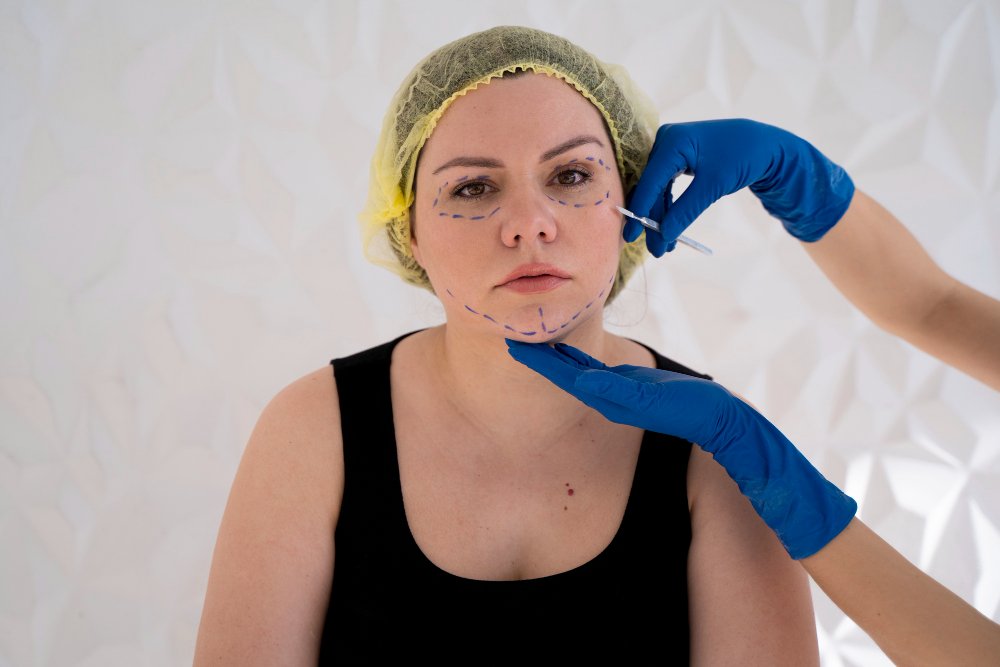
Treatment Overview
Autologous Fat Removal Surgery is a cosmetic procedure that involves the extraction and purification of a patient’s own fat, usually from areas like the abdomen or thighs, for use in facial or body contouring. In Korea, this technique is widely used both for removing unwanted fat deposits and for fat grafting (transferring fat to other areas). The procedure aims to achieve natural-looking, long-lasting results by utilizing the patient’s own tissue, reducing the risk of allergic reactions or rejection.
Purpose & Benefits
The main purposes and benefits of autologous fat removal surgery include:
- Eliminating stubborn fat deposits resistant to diet and exercise
- Enhancing body and facial contours by removing excess fat
- Using harvested fat for fat grafting to add volume or correct depressions
- Minimizing risk of allergic reaction since it uses the patient’s own tissue
- Offering a dual benefit of fat removal and potential fat transfer in one procedure
This surgery is popular for patients seeking natural and safe contouring options.
Ideal Candidates
Ideal candidates for autologous fat removal surgery are:
- Individuals with localized fat deposits that are hard to reduce naturally
- Patients interested in natural fat grafting using their own fat tissue
- Healthy adults with stable weight and realistic expectations
- Those without significant medical conditions or bleeding disorders
- People seeking minimally invasive body or facial contouring
Possible Risks & Complications
While generally safe, potential risks include:
- Swelling, bruising, and temporary discomfort at donor and treatment sites
- Infection or bleeding (rare with proper technique)
- Irregularities or asymmetry in fat removal or grafting areas
- Fat absorption or uneven fat survival in grafted areas
- Temporary numbness or changes in sensation
Expert Korean surgeons use refined methods to minimize these risks.
Surgical Techniques Used
In Korea, the surgical approach includes:
- Liposuction Techniques: Gentle liposuction to harvest fat with minimal damage
- Fat Purification: Centrifugation or filtering to isolate healthy fat cells
- Fat Injection: Precise reinjection of purified fat into target areas such as cheeks, under eyes, or hands
- Minimally Invasive Incisions: Small punctures for both fat removal and injection, leaving minimal scars
- Advanced Tools: Use of ultrasound-assisted or laser-assisted liposuction for better fat removal and skin tightening
Recovery & Aftercare
Recovery involves:
- Mild swelling and bruising for 1–2 weeks at donor and injection sites
- Patients advised to avoid strenuous exercise for about 2 weeks
- Wearing compression garments if fat removal is from the body
- Follow-up appointments to monitor fat graft survival and healing
- Maintaining a stable weight to preserve results
Results & Longevity
Results of autologous fat removal and grafting can include:
- Noticeable reduction of fat in treated areas
- Improved facial or body contours with natural volume restoration
- Long-lasting results as transferred fat integrates with existing tissues
- Enhanced skin texture and elasticity due to fat cell regeneration
- Results usually stabilize within 3–6 months after surgery
Treatment Process in Korea
The treatment process in Korea is known for its precision and patient care:
- Consultation and Assessment: Detailed body and facial analysis with imaging
- Customized Treatment Plan: Tailored fat removal and grafting strategies
- Surgical Procedure: Performed under local or general anesthesia, depending on the area and extent
- Postoperative Care: Includes swelling management, compression, and activity guidelines
- Follow-up Visits: Regular monitoring to ensure optimal healing and results
Korean clinics are known for their advanced technology, sterile environments, and experienced surgeons, making Korea a top destination for this surgery.
Cost Range
The cost of autologous fat removal surgery in Korea generally ranges from:
- ₩3,000,000 to ₩10,000,000 KRW
- Approximately $2,500 to $8,500 USD
Prices vary depending on the amount of fat removed, areas treated, and whether fat grafting is included. Most packages cover anesthesia, surgery, and follow-up care.
Popular Clinics
Top clinics in Korea specializing in autologous fat removal surgery include:
- ID Hospital – Experts in advanced fat transfer and body contouring
- Banobagi Plastic Surgery – Known for natural, safe fat grafting techniques
- THE LINE Plastic Surgery – Offers precise fat removal with minimal downtime
- GNG Hospital – Renowned for body sculpting and fat grafting procedures


