
Treatment Overview
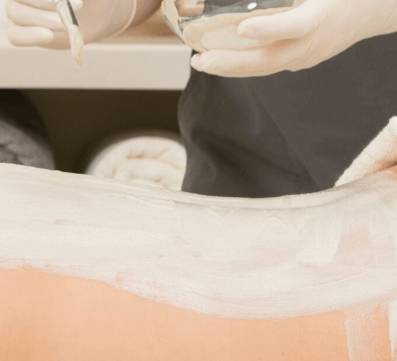
Chemical Body Peels in Korea for body whitening are medical-grade exfoliation treatments that use specially formulated acids (such as glycolic acid, lactic acid, salicylic acid, kojic acid, or arbutin-enriched blends) to gently remove the damaged outer layers of skin. By accelerating skin cell turnover, these peels help reduce pigmentation, fade dark patches, and reveal brighter, smoother, and more radiant body skin.
Korean dermatology clinics often offer customized whitening peel programs, sometimes combining them with glutathione drips, carbon laser toning, or mesotherapy for enhanced results. These treatments are popular for overall body whitening as well as localized brightening of elbows, knees, underarms, or bikini areas.
Purpose & Benefits
- Body Whitening: Lightens dark patches and brightens overall skin tone.
- Pigmentation Reduction: Fades post-inflammatory hyperpigmentation, sun damage, and uneven tone.
- Skin Renewal: Smooths rough or dull body skin.
- Hydration Boost: Certain peels improve moisture retention.
- Customizable: Peel strength adjusted for sensitive vs. thicker skin areas.
Ideal Candidates
Chemical Body Peels in Korea are recommended for:
- Individuals seeking overall lighter, brighter body skin.
- Patients with darkened elbows, knees, underarms, or bikini line.
- Those with sun damage, pigmentation, or uneven tone.
- Patients wanting a non-invasive whitening option.
- Individuals combining peels with other whitening therapies for faster results.
Possible Risks & Complications
- Mild Redness or Tingling: Temporary, fades in a few hours.
- Peeling & Flaking: Common as old skin sheds.
- Dryness or Tightness: Short-term, manageable with moisturizers.
- Rare Risks: Post-inflammatory hyperpigmentation if sun protection neglected.
- Not Suitable For: Patients with eczema, open wounds, severe skin infections, or pregnant/breastfeeding women (without approval).
Surgical Techniques Used
While non-surgical, chemical peels are applied under medical supervision:
- Superficial Peels: AHAs (glycolic, lactic) for gentle exfoliation and brightness.
- Medium-Depth Peels: TCA or kojic acid blends for deeper pigmentation.
- Whitening Peels: Arbutin- or vitamin C-enriched solutions for tone lightening.
- Layered Application: Adjusted depending on skin area and goals.
- Korean Combination Protocols: Often paired with glutathione drips, whitening injections, or laser toning.
- Sessions Required: 3–6 sessions, spaced 2–4 weeks apart.
Recovery & Aftercare
- Immediately: Skin feels smoother, mild redness possible.
- 1–3 Days: Peeling or flaking begins.
- 1–2 Weeks: Brighter, fresher skin tone visible.
Aftercare Tips:
- Apply soothing moisturizers and hydrating serums daily.
- Avoid scrubbing or harsh exfoliation until peeling subsides.
- Apply SPF 50+ on exposed areas to prevent pigmentation.
- Avoid saunas, tanning, or hot baths for 48 hours.
- Maintain hydration and a gentle skincare routine.
Results & Longevity
- After 1 Session: Fresher, smoother body skin.
- After 3 Sessions: Noticeable lightening of dark patches and even tone.
- After 6 Sessions: Significant whitening, smoothness, and improved clarity.
- Longevity: Results last 6–12 months; maintenance every 3–6 months recommended.
Treatment Process in Korea
Consultation & Skin Analysis
- Dermatologist evaluates pigmentation levels and skin sensitivity.
- Customized peel type and concentration selected.
Preparation
- Targeted body area cleansed; sensitive zones protected.
Chemical Body Peel Session
- Step 1: Peel solution applied evenly to treatment area.
- Step 2: Left on for controlled duration.
- Step 3: Neutralized and removed safely.
- Step 4: Soothing cream or hydrating mask applied.
- Session lasts ~30–60 minutes depending on area.
Post-Treatment Care in Clinic
- Cooling cream applied for comfort.
- Aftercare guidelines provided.
Follow-Up
- 3–6 sessions usually recommended.
- Maintenance every 3–6 months for lasting brightness.
Why Korea is a Top Destination
- Customized Whitening Formulas: Dermatologists use blends tailored to Asian skin.
- Safe & Gentle Protocols: Designed to minimize risks of pigmentation.
- Combination Treatments: Often integrated with whitening drips, laser toning, or mesotherapy.
- Body Whitening Programs: Specialized packages for full body or problem areas.
- Global Reputation: Korea is internationally renowned for safe and effective skin-whitening dermatology.
Cost Range (Estimated)
- Single Chemical Body Peel (Area Treatment): USD 100 – 300
- 3-Session Package: USD 300 – 700
- 6-Session Package: USD 700 – 1,500
Additional Costs:
- Consultation: USD 20 – 50
- Add-ons (glutathione drip, whitening injection, laser toning): USD 200 – 600 per session
- Premium Whitening Packages (Peels + boosters): USD 1,500 – 3,000
Popular Clinics
- Oracle Dermatology: Whitening peels combined with brightening boosters.
- Banobagi Plastic Surgery: Full-body whitening peel programs with injections.
- Renewme Skin Clinic: Customized whitening peels with mesotherapy.
- View Plastic & Dermatology: Chemical peels paired with carbon laser toning.
- Chaum Anti-Aging Center: Premium whitening programs combining peels + regenerative care.


