
Treatment Overview
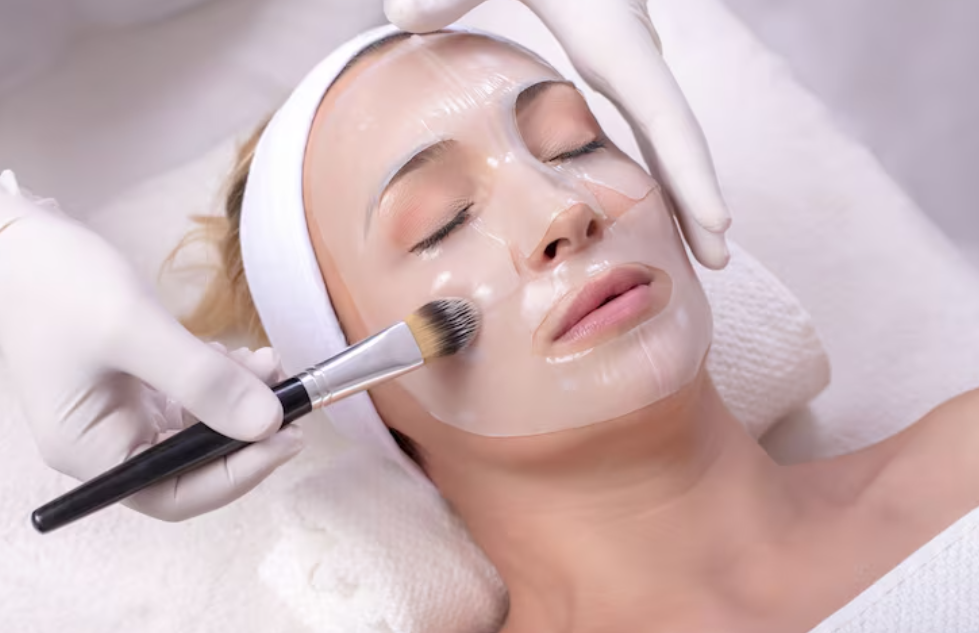
Chemical Peel is a non-surgical resurfacing treatment that uses acid-based exfoliants (such as glycolic acid, salicylic acid, lactic acid, trichloroacetic acid/TCA, or blended peels) to remove damaged outer skin layers. In Korean dermatology, chemical peels are widely used for UV-induced pigmentation, fine lines, and rough skin texture.
For sun-damaged skin, chemical peels help by exfoliating photoaged skin, reducing freckles and sunspots, improving uneven tone, and stimulating collagen renewal. Peels vary in depth — superficial, medium, or deep — depending on the degree of sun damage. Korea specializes in gentle yet effective “K-beauty peels”, which combine exfoliation with skin-calming and brightening ingredients for minimal downtime.
It belongs to the Skin Concerns: Sun-Damaged Skin / Pigmentation / Uneven Tone / Photoaging family (Chemical Peel, BB Laser, Carbon Laser Peel, IPL Photofacial, Pico Laser):
- Chemical Peel: Best for exfoliation + pigment reduction + smoothness.
- BB Laser: Best for pigmentation + glow.
- Carbon Laser Peel: Best for exfoliation + collagen stimulation.
- IPL Photofacial: Best for redness and vascular UV damage.
- Pico Laser: Best for stubborn sunspots and collagen repair.
Purpose & Benefits
- Pigmentation Reduction: Fades freckles, sunspots, and UV discoloration.
- Exfoliation & Renewal: Removes damaged surface skin cells.
- Collagen Boost: Encourages dermal regeneration and repair.
- Brightening Effect: Restores glow lost due to sun exposure.
- Wrinkle Softening: Improves fine lines caused by photoaging.
- Texture Refinement: Smooths roughness and uneven tone.
- Synergy: Often combined with lasers (BB, Pico, or IPL) and injectables (Rejuran, Exosomes).
Ideal Candidates
Chemical Peel in Korea for sun-damaged skin is recommended for:
- Adults with freckles, sunspots, or pigmentation from UV exposure.
- Patients with rough, uneven texture and early wrinkles.
- Those seeking a non-laser, minimally invasive skin renewal option.
Men and women comparing treatments:
- Chemical Peel: Best for surface pigmentation and rough texture.
- BB Laser: Best for pigmentation + brightening.
- Carbon Laser Peel: Best for gentle exfoliation + collagen stimulation.
- IPL Photofacial: Best for redness and vascular sun damage.
- Pico Laser: Best for stubborn sunspots and deeper photoaging.
Possible Risks & Complications
Chemical peels are safe in Korean dermatology clinics, but possible side effects include:
- Redness & Peeling: Temporary, as skin renews.
- Dryness or Sensitivity: Common in first few days.
- Rare Risks: Post-inflammatory hyperpigmentation (rare with Korean gentle peel protocols).
Surgical Techniques Used
Chemical peels are performed using tailored protocols:
- Superficial Peels (AHA, glycolic, lactic acid): For mild UV damage and pigmentation.
- Medium Peels (TCA blends): For deeper wrinkles and sunspots.
- Brightening Peels (Vitamin C, kojic acid, mandelic acid): For glow and pigmentation.
- Combination Therapy: Often layered with BB Laser, Rejuran, or Exosomes.
- Protocol: 3–6 sessions every 2–4 weeks for progressive improvement.
Recovery & Aftercare
- Immediately: Mild redness and tightness.
- 2–5 Days: Skin begins peeling and renewing.
- 1–2 Weeks: Brighter, smoother, and more even-toned skin appears.
Aftercare Tips:
- Apply soothing moisturizers and barrier-repair serums.
- Strictly use SPF 50+ daily to prevent rebound pigmentation.
- Avoid exfoliation, scrubs, or retinol for at least 1 week.
- Stay hydrated and protect skin from direct sun.
Results & Longevity
- Immediate: Smoother, fresher-looking skin.
- Short-Term (2–4 Weeks): Pigmentation fades, texture improves.
- Medium-Term (2–3 Months): Collagen stimulation reduces photoaging lines.
- Long-Term: Results last 6–12 months with maintenance peels.
Treatment Process in Korea
- Consultation & Skin Analysis – Doctor evaluates sun damage severity.
- Preparation – Cleansing; protective ointments applied if needed.
- Chemical Peel Session – Customized peel solution applied to face or neck.
- Optional Add-Ons – Rejuran, Exosomes, or brightening lasers for synergy.
- Post-Care – Cooling mask, soothing serums, or LED therapy.
- Follow-Up – 3–6 sessions ensure progressive rejuvenation.
Why Korea is a Top Destination
- Korea is globally known for gentle yet effective K-beauty chemical peels.
- Clinics offer customized multi-acid formulations for sun-damaged skin.
- Dermatologists integrate peels into multi-step brightening and repair programs.
- More affordable than Western dermatology centers.
- Seoul is recognized for advanced pigmentation and photoaging reversal protocols.
Cost Range (Detailed Breakdown)
Pricing for chemical peels in Korea for sun-damaged skin:
- Single Session (Full Face or Neck): USD 100 – 250
- 3–6 Session Package (recommended): USD 300 – 900
- Chemical Peel + Laser Combo (BB, IPL, Pico): USD 300 – 600 per session
- Premium Anti-Aging Package (Peel + PN Boosters + Exosomes + Brightening Therapy): USD 1,500 – 3,000
Additional Costs in Korea:
- Consultation: USD 20 – 40
- Add-ons (Rejuran, Exosomes, Vitamin serums): USD 100 – 400
💡 Patients often call chemical peels the “reset button for sun-damaged skin”, since they exfoliate UV-damaged cells while revealing fresh, healthy skin.
Popular Clinics
- Banobagi Dermatology (Seoul): Customized chemical peels + brightening lasers.
- Oracle Dermatology (Seoul): Multi-step peels for sunspots and pigmentation.
- Renewme Skin Clinic (Seoul): Gentle peel programs for photoaging repair.
- View Plastic & Dermatology (Seoul): Chemical peels + Exosomes for sun-damage recovery.
- Chaum Anti-Aging Center (Seoul): Premium peel + regenerative therapy packages.


