
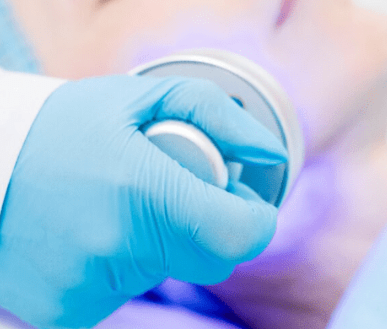
Treatment Overview
Chemical Peel with Blue Light Therapy is a widely used combination acne treatment in Korean dermatology clinics. First, a medical-grade chemical peel (commonly salicylic acid, glycolic acid, or Jessner’s solution) is applied to exfoliate dead skin cells, unclog pores, regulate oil, and reduce acne formation. Immediately after, Blue Light Therapy (415 nm wavelength) is administered to kill Cutibacterium acnes bacteria and reduce inflammation.
This two-step approach provides both chemical exfoliation and antibacterial action, making it ideal for patients with active acne, oily skin, and post-inflammatory redness.
Purpose & Benefits
- Deep Exfoliation: Peel clears away dead skin cells and unclogs pores.
- Sebum Regulation: Reduces oil production, lowering acne recurrence.
- Bacterial Reduction: Blue light destroys acne-causing bacteria.
- Inflammation Relief: Calms redness and swelling of active pimples.
- Tone & Texture Improvement: Fades dark spots and brightens complexion.
Ideal Candidates
Chemical Peel with Blue Light Therapy in Korea is recommended for:
- Patients with mild to moderate acne (inflammatory or comedonal).
- Individuals with oily, congested skin prone to blackheads and whiteheads.
- Those with post-acne pigmentation and redness.
- Patients seeking a gentle but effective acne control option with minimal downtime.
Possible Risks & Complications
This treatment is very safe in Korean dermatology settings, but mild effects may occur:
- Temporary Redness & Tingling: Normal post-peel, subsides within 24 hours.
- Mild Peeling/Flaking: 2–3 days after chemical exfoliation.
- Dryness: If peel concentration is strong, easily managed with moisturizers.
- Rare Risks: PIH (post-inflammatory hyperpigmentation) if aggressive peels are used on sensitive Asian skin—minimized with tailored Korean low-strength protocols.
Surgical Techniques Used
- Chemical Peel:
- Salicylic acid (BHA): Penetrates oily pores, reduces blackheads.
- Glycolic acid (AHA): Exfoliates surface for tone/texture.
- Jessner’s solution: Combination peel for acne + pigmentation.
- Blue Light LED (415 nm): Destroys acne bacteria and reduces inflammation.
- Protocol: 3–6 sessions, spaced 2–4 weeks apart.
Recovery & Aftercare
Immediately: Mild redness, tightness, and tingling.
2–3 Days: Light peeling or flaking of dead skin cells.
1 Week: Clearer pores, calmer acne, and brighter skin tone.
Aftercare Tips:
- Use SPF 50+ daily to prevent pigmentation.
- Apply gentle moisturizers to counteract dryness.
- Avoid harsh exfoliants, scrubs, or retinoids for 5–7 days.
- Do not pick at peeling skin.
Results & Longevity
- After 1 Session: Pores feel cleaner, acne less inflamed.
- After 2–3 Sessions: Noticeable reduction in pimples and oil production.
- After 4–6 Sessions: Long-term improvement in acne control, scars, and pigmentation.
Maintenance peels every 1–2 months may be recommended for acne-prone patients.
Treatment Process in Korea
Consultation & Skin Analysis
Dermatologist selects appropriate peel type and strength for acne-prone skin.
Preparation
Gentle cleansing; sometimes light extraction before peel.
Chemical Peel + Blue Light Session
- Step 1: Peel applied to skin for a controlled time, then neutralized.
- Step 2: Blue light applied for 10–20 minutes to kill bacteria and reduce redness.
- Step 3: Cooling mask or calming ampoule applied.
Duration: 30–45 minutes.
Post-Treatment Care
Moisturizer and sunscreen applied.
Patients can return to daily activities immediately.
Follow-Up
3–6 treatments recommended for optimal results.
Unique Korean Advantages
- Gentle Low-Strength Protocols: Reduce irritation while maintaining efficacy.
- Combination Therapy: Pairing peel + blue light ensures deeper acne control.
- Multi-Step Acne Programs: Often combined with Aqua Peel, LED red light, or whitening drips.
- Cost-Effective Multi-Sessions: Affordable compared to Western clinics.
Cost Range (Estimated)
- Single Peel + Blue Light Session: USD 100 – 200
- Peel + Blue Light + Extraction: USD 150 – 300
- Premium Package (Peel + Blue Light + LED/Drips): USD 300 – 500
Example Korean Packages:
- Standard Program (3 sessions): USD 300–500
- Acne Care Program (Peel + Blue Light + Extraction): USD 500–800
- Premium Package (Peel + Blue Light + Whitening Drip): USD 900–1,200
Popular Clinics in Seoul
- Oracle Dermatology: Salicylic peels + Blue Light for acne-prone skin.
- Banobagi Dermatology: Combination acne protocols with peel + LED.
- Renewme Skin Clinic: Chemical peels + Blue/Red light for acne and PIH.
- View Dermatology: Acne care programs with peel + light therapy.
- Chaum Anti-Aging Center: Premium acne facials with peel + Blue Light + boosters.


