
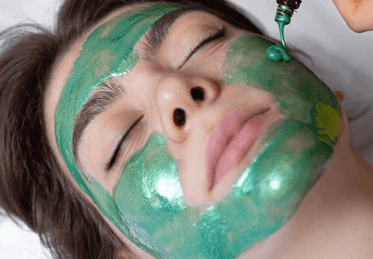
Treatment Overview
Salicylic Acid Chemical Peel is a dermatologist-supervised treatment widely offered in Korean skin clinics to manage hormonal acne and oily skin. Salicylic acid is a Beta Hydroxy Acid (BHA) that is oil-soluble, meaning it penetrates deep into pores to dissolve excess sebum, unclog blackheads/whiteheads, and reduce inflammation.
Hormonal acne often appears as cyclical breakouts around the jawline, chin, and lower face due to fluctuating androgens stimulating oil production. Salicylic acid peels help balance sebum activity, calm inflamed lesions, and improve post-acne pigmentation. In Korea, they are often paired with LED therapy, Aqua Peel, or acne drips for maximum effectiveness.
Purpose & Benefits
- Sebum Control: Reduces excess oil production triggered by hormones.
- Deep Pore Cleansing: Dissolves keratin plugs, unclogs pores, and prevents breakouts.
- Inflammation Reduction: Calms redness, swelling, and irritation.
- Blackhead & Whitehead Removal: Clears comedones common in oily/hormonal skin.
- Scar & Pigmentation Prevention: Minimizes post-inflammatory hyperpigmentation (PIH).
- Skin Refinement: Improves overall smoothness and clarity.
Ideal Candidates
Salicylic Acid Peel in Korea is recommended for:
- Patients with hormonal acne flare-ups around the chin/jawline.
- Individuals with oily or combination skin prone to clogged pores.
- Those with inflammatory acne lesions and comedones.
- Patients with acne marks, pigmentation, or uneven skin tone.
- Individuals seeking a non-invasive acne treatment with minimal downtime.
Possible Risks & Complications
Salicylic acid peels are safe when performed in Korean dermatology clinics, but mild effects may occur:
- Redness or Tingling: Temporary, fades within hours.
- Dryness or Flaking: Common for 2–3 days after treatment.
- Rare Risks: Irritation in very sensitive or eczema-prone skin.
Korean clinics customize the concentration (10–30%) to suit individual skin tolerance.
Surgical Techniques Used
- Application of Salicylic Acid Solution (10–30%): Targets acne-prone and oily areas.
- Short Exposure (2–5 minutes): Monitored carefully to avoid over-exfoliation.
- Neutralization: Peel is neutralized and skin is cleansed.
- Soothing & Hydration: Calming masks or serums applied to restore barrier.
Protocol: Typically 4–6 sessions, spaced 2–4 weeks apart, with maintenance every 2–3 months.
Recovery & Aftercare
Immediately: Skin feels cleaner, lighter, and refreshed.
1–2 Days: Mild dryness or flaking may occur.
1–2 Weeks: Breakouts decrease, pores appear smaller, and tone evens out.
Aftercare Tips:
- Apply hydrating moisturizers and barrier creams.
- Use SPF 50+ sunscreen daily to prevent pigmentation.
- Avoid scrubs, acids, or retinoids for 3–5 days post-peel.
- Stick to gentle, non-comedogenic skincare.
Results & Longevity
- After 1 Session: Reduced oiliness and clearer pores.
- After 3–4 Sessions: Fewer hormonal breakouts and improved healing.
- After 6 Sessions: Long-term acne control, refined texture, and fewer dark marks.
Maintenance sessions every 2–3 months are common in Korea for hormonal acne management.
Treatment Process in Korea
Consultation & Skin Diagnosis
Dermatologist checks acne severity, hormonal pattern, and skin sensitivity.
Preparation
Gentle cleansing; sensitive areas may be protected.
Salicylic Acid Peel Session
- Step 1: Application of salicylic solution to acne-prone areas.
- Step 2: Peel left for 2–5 minutes under monitoring.
- Step 3: Peel neutralized and skin cleansed.
- Step 4: Soothing mask or serum applied.
Duration: 20–30 minutes.
Post-Treatment Care
Barrier cream and sunscreen provided; downtime minimal.
Follow-Up
4–6 sessions recommended for optimal results.
Unique Korean Advantages
- Gentle Protocols: Safe dilution and exposure times tailored to Asian skin.
- Combination Packages: Frequently paired with LED light, Aqua Peel, or acne drips.
- Scar Prevention Focus: Healing serums and cooling care included in most programs.
- Widely Accessible: Available in both dermatology and premium K-beauty clinics.
Cost Range (Estimated)
- Single Salicylic Acid Peel Session: USD 70 – 130
- Peel + Extraction/LED Therapy: USD 120 – 200
- Peel + Aqua Peel/Soothing Mask: USD 150 – 250
Example Korean Packages:
- Standard Program (5 sessions): USD 350 – 550
- Acne Care Program (5 sessions with LED/Extraction): USD 600 – 900
- Premium Program (5–6 sessions with Exosome/Whitening Drip): USD 1,000 – 1,600
Popular Clinics in Seoul
- Oracle Dermatology: Specializes in salicylic acid peels for acne-prone skin.
- Banobagi Dermatology: Combination salicylic + Aqua Peel programs.
- Renewme Skin Clinic: Salicylic peels paired with LED healing therapy.
- View Dermatology: Multi-step acne protocols with chemical peels.
- Chaum Anti-Aging Center: Premium acne programs with salicylic + regenerative boosters.


