
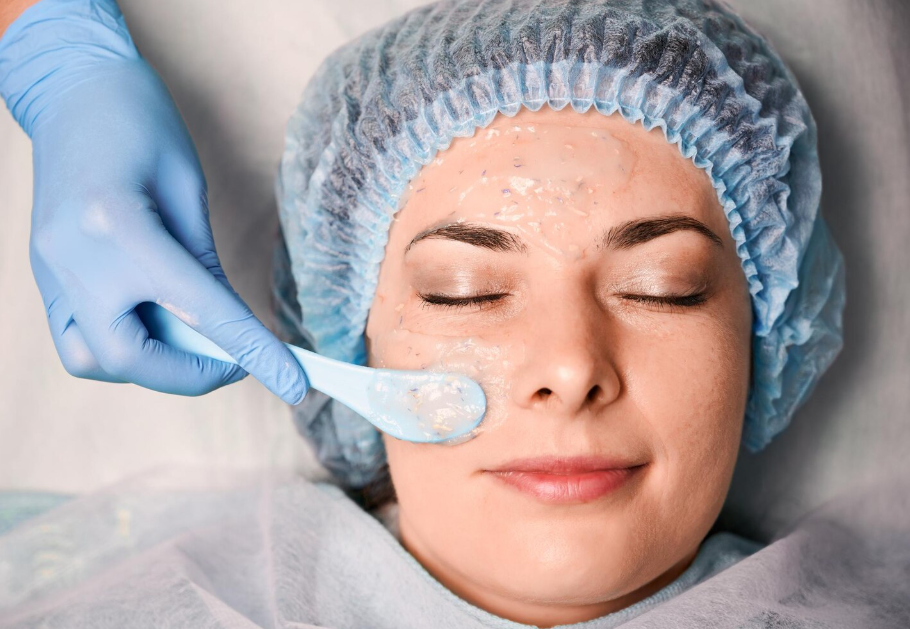
Treatment Overview
Chemical Peels are one of the most popular and affordable dermatology treatments in Korea for post-inflammatory hyperpigmentation (PIH), acne-related dark marks, freckles, sun spots, and uneven skin tone.
A chemical peel uses a controlled application of acids (such as glycolic acid, salicylic acid, lactic acid, TCA, or blended brightening formulas) to exfoliate the outer skin layers. This removes pigmented keratinocytes, accelerates skin turnover, and stimulates new cell growth — helping to fade PIH safely and gradually.
In Korean dermatology, chemical peels are often performed in gentle, repeated sessions, sometimes called “K-Peels”, customized for Asian skin types that are prone to pigmentation rebound. Clinics also combine peels with laser toning, Pico lasers, or whitening drips for faster, more complete results.
Purpose & Benefits
- PIH Reduction: Gradually fades dark spots caused by acne or skin inflammation.
- Skin Brightening: Reveals fresher, more even-toned skin.
- Texture Improvement: Smooths roughness and softens acne marks.
- Pore Refinement: Certain peels reduce oiliness and unclog pores.
- Affordable & Accessible: A cost-effective alternative to laser therapy.
Ideal Candidates
Chemical Peels in Korea are recommended for:
- Adults with post-acne PIH or pigmentation from inflammation/injury.
- Patients with mild to moderate PIH and dull skin.
- Individuals who want budget-friendly, low-downtime brightening treatments.
Possible Risks & Complications
While safe in experienced Korean clinics, peels can cause temporary effects:
- Redness or Tingling: Lasts a few hours post-procedure.
- Flaking/Peeling: Normal renewal process over 3–5 days.
- Dryness or Tightness: Short-term effect manageable with hydration.
- Rare Risks: PIH worsening or irritation if peel is too strong (minimized by Korean gentle-layering protocols).
Surgical Techniques Used
- Superficial Peels: Glycolic, lactic, or salicylic acid — best for acne-related PIH.
- Medium Peels: TCA for more stubborn or deeper pigmentation.
- Brightening Combination Peels: Kojic acid, mandelic acid, or arbutin blends tailored for pigmentation.
- Protocol: Typically 3–6 sessions spaced 2–4 weeks apart; maintenance every 3–6 months.
Recovery & Aftercare
- Immediately: Skin feels tight or warm.
- 1–3 Days: Light peeling, flaking, or darkening of PIH spots.
- 1 Week: Brighter, smoother skin with visible spot reduction.
Aftercare Tips:
- Daily SPF 50+ sunscreen to prevent recurrence.
- Use hydrating, barrier-repair creams and serums.
- Avoid retinoids, scrubs, and exfoliants for 5–7 days.
- Do not pick at peeling skin.
Results & Longevity
- After First Peel: Fresher, brighter complexion.
- 2–3 Peels: Visible fading of PIH and improved tone.
- 3–6 Peels: Significant reduction of pigmentation and smoother texture.
- Long-Term: Maintenance peels every 3–6 months help sustain results.
Treatment Process in Korea
Korea is known for its gentle, multi-session peel protocols tailored for pigmentation-prone skin.
- Consultation & Skin Analysis – Dermatologist evaluates PIH depth and skin sensitivity.
- Preparation – Skin cleansing, degreasing, and protection of sensitive areas.
- Chemical Peel Application – Customized solution applied to affected areas or full face.
- Neutralization & Soothing – Peel neutralized; calming mask or serum applied.
- Post-Care – Sunscreen and recovery creams recommended.
- Follow-Up – Multiple sessions planned, often combined with lasers (Nd:YAG, Pico) or brightening drips for maximum effect.
Unique Korean Advantages:
- Gentle “Layered Peeling” Technique: Safer for Asian skin, lowers PIH risk.
- Combination Programs: Peels + lasers + whitening drips.
- Affordable Packages: Clinics offer bundled sessions at competitive pricing.
- Advanced Formulas: Korean peels often contain brightening and anti-inflammatory ingredients.
Cost Range (Estimated)
- Single Session (Full Face): USD 80 – 150
- 3–6 Session Package: USD 250 – 700
- Premium Program (Peel + Laser + Whitening Drip): USD 800 – 1,800
Additional Costs:
- Consultation: USD 20 – 50
- Add-ons:
- Whitening drips (Glutathione, Vitamin C): USD 100 – 200
- Skin boosters (Rejuran, PN, exosomes): USD 150 – 400
- Post-peel repair kits: USD 50 – 100
Example Korean Packages:
- Basic PIH Peel Program (3 sessions): USD 300–400
- Advanced Program (Peel + Whitening Drips): USD 600–900
- Premium Program (Peel + Pico/Fraxel + Boosters): USD 1,500–2,200
Popular Clinics in Seoul
- Oracle Dermatology: Customized PIH peels + acne pigment treatment.
- Banobagi Dermatology: Chemical peels + toning lasers for PIH.
- Renewme Skin Clinic: Brightening peels with antioxidant serums.
- View Plastic & Dermatology: Peels + Fraxel for acne PIH + texture.
- Chaum Anti-Aging Center: Premium chemical peel protocols with regenerative boosters.


