
Treatment Overview
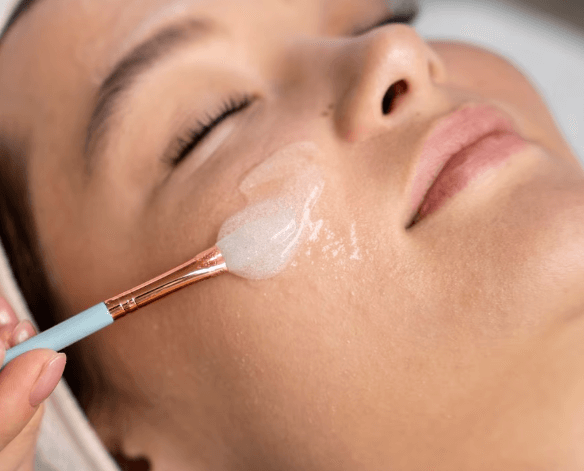
A Chemical Whitening Peel in Korea is a professional dermatological treatment that uses specially formulated chemical solutions to exfoliate the skin, remove damaged outer layers, and stimulate cell turnover. This process helps reduce pigmentation, sun damage, dullness, and uneven tone, ultimately leaving the skin brighter and more radiant. Korean dermatology clinics are globally recognized for their advanced techniques and high-quality skincare protocols, making this treatment particularly popular among both locals and international patients.
Purpose & Benefits
The primary goal of a chemical whitening peel is to achieve brighter, smoother, and more youthful-looking skin. Benefits include:
- Reduction of dark spots, freckles, and melasma.
- Improvement of uneven skin tone and texture.
- Reduction in acne scars and post-inflammatory hyperpigmentation.
- Boosted collagen production for firmer skin.
- Enhanced absorption of skincare products.
Ideal Candidates
This treatment is ideal for:
- Individuals experiencing dull or tired-looking skin.
- Patients with pigmentation issues such as melasma, freckles, or age spots.
- Those seeking a non-surgical method for skin rejuvenation.
- People with mild acne scarring and uneven texture.
- Anyone desiring overall skin brightening with minimal downtime.
Possible Risks & Complications
While chemical peels are generally safe when performed by experienced dermatologists, some risks may include:
- Temporary redness, peeling, and dryness.
- Increased skin sensitivity to sunlight.
- Risk of hyperpigmentation or hypopigmentation if aftercare is not followed.
- Rare chance of infection if skin is not properly cared for post-procedure.
Surgical Techniques Used
Though not a surgical procedure in the traditional sense, chemical whitening peels use controlled chemical exfoliation techniques. The most common peeling agents in Korea include:
- Alpha Hydroxy Acids (AHA) like glycolic and lactic acid.
- Beta Hydroxy Acid (BHA) such as salicylic acid.
- Trichloroacetic Acid (TCA) for deeper peels.
- Korean multi-acid blends designed for brightening and whitening.
These solutions are carefully applied to the skin in precise concentrations, ensuring safe penetration and effective exfoliation without damaging deeper layers.
Recovery & Aftercare
Recovery from a chemical peel is usually quick, with most patients experiencing mild redness, tightness, and peeling for a few days. Dermatologists in Korea provide detailed aftercare, which typically includes:
- Gentle cleansers and hydrating creams.
- Strict use of broad-spectrum sunscreen.
- Avoidance of direct sun exposure, saunas, and harsh products.
- Regular hydration and soothing treatments if needed.
Results & Longevity
Results are visible within one to two weeks, as the skin appears brighter, smoother, and more even-toned. Longevity varies depending on the depth of the peel and the individual’s skincare routine. Superficial peels may require multiple sessions, while medium-depth peels can provide longer-lasting results. With proper sun protection and maintenance treatments, improvements can last for several months to a year.
Treatment Process in Korea
Korea is renowned for its innovative skincare technologies and dermatology expertise, making it a global hub for chemical peel treatments. The process typically involves:
- A comprehensive skin consultation using advanced diagnostic tools.
- Customized chemical solutions tailored to individual skin concerns.
- Use of cutting-edge application methods ensuring even distribution and safety.
- Combination therapies such as laser toning, LED therapy, or infusion treatments to maximize results.
What sets Korea apart is its focus on precision, innovation, and patient comfort. Clinics often use patented Korean peeling formulas that minimize downtime and side effects while enhancing whitening effects. Korea’s dermatologists are also known for combining chemical peels with holistic skincare programs, offering both immediate improvements and long-term skin health. This combination of advanced techniques, patient-centered care, and affordable pricing makes Korea one of the top destinations for chemical whitening peels worldwide.
Cost Range
The cost of a Chemical Whitening Peel in Korea depends on the depth of the peel, the number of sessions required, and the clinic’s reputation. On average:
- Superficial peels: KRW 80,000 – KRW 150,000 per session.
- Medium-depth peels: KRW 200,000 – KRW 400,000 per session.
- Customized whitening peel packages: KRW 500,000 – KRW 1,000,000 for multiple sessions.
International patients often find these costs highly competitive compared to Western countries, while still receiving top-tier dermatological care.
Popular Clinics
Some of the most well-regarded clinics in Korea offering chemical whitening peels include:
- Banobagi Dermatology Clinic (Seoul) – famous for customized peel programs.
- Regen Clinic (Seoul) – known for skin brightening and anti-aging treatments.
- Oracle Dermatology Clinics (nationwide) – trusted by both locals and medical tourists.
- ID Hospital Dermatology Center (Seoul) – combines peels with advanced laser and whitening therapies.
- Wonjin Beauty Medical Group (Seoul) – offers a full range of dermatological and aesthetic treatments.


