
Treatment Overview
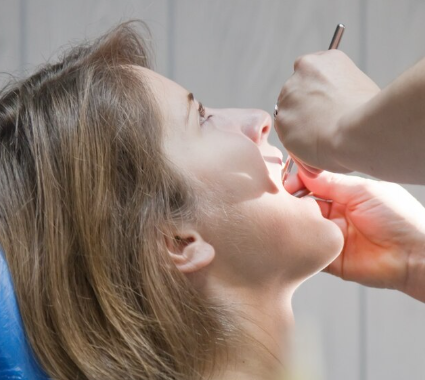
Chiropractic TMJ Joint Adjustment in Korea is a specialized, non-invasive treatment designed to realign the jaw joint, restore natural movement, and relieve pain caused by TMJ disorders, jaw misalignment, and bruxism-related tension.
Korean chiropractic TMJ specialists use precise, gentle manipulations to correct the structural and muscular imbalances of the temporomandibular joint (TMJ), promoting long-term stability and comfort.
Using advanced diagnostic tools like 3D CBCT imaging, AI posture analysis, and digital motion tracking, Korean clinics ensure each TMJ adjustment is safe, accurate, and customized.
This holistic approach integrates manual chiropractic techniques, myofascial therapy, and neuromuscular conditioning, helping patients achieve pain-free function and balanced jaw alignment without surgery or medication.
Purpose & Benefits
Purpose
- Correct jaw joint misalignment contributing to TMJ pain and stiffness.
- Restore natural movement and bite symmetry.
- Relieve chronic headaches, neck tension, and facial discomfort.
- Rebalance posture and muscle coordination in the jaw and neck area.
- Prevent long-term joint degeneration or muscle overcompensation.
Benefits
- Pain Relief: Eliminates tension, stiffness, and joint discomfort.
- Improved Function: Enhances chewing, speaking, and swallowing mechanics.
- Non-Surgical Solution: Safe, natural realignment through gentle manual therapy.
- AI Precision Diagnostics: Ensures accurate, measurable correction.
- Holistic Recovery: Improves posture, breathing, and overall balance.
- Fast Results: Noticeable relief after 1–2 sessions.
- Long-Term Stability: Maintains jaw harmony through neuromuscular support.
Ideal Candidates
Ideal Candidates Include:
- Patients with TMJ clicking, locking, or restricted movement.
- Individuals suffering from jaw pain, stiffness, or bruxism.
- Those with postural imbalance or neck strain linked to TMJ disorder.
- People seeking a natural, drug-free solution for chronic jaw tension.
- Post-orthodontic or post-trauma patients needing realignment.
- International patients looking for advanced TMJ chiropractic care in Korea.
Possible Risks & Complications
Chiropractic TMJ adjustments are gentle and safe when performed by trained specialists, though mild temporary reactions may occur:
- Minor soreness or tightness in the jaw or neck.
- Temporary bite awareness during adaptation phase.
- Mild fatigue as muscles adjust to new alignment.
Korean practitioners minimize risks using AI alignment mapping, gradual mobilization techniques, and digital force monitoring for precision and comfort.
Techniques & Technology Used
Core Techniques
- Manual TMJ Joint Adjustment: Gentle mobilization restores proper joint position and motion.
- Myofascial Release Therapy: Relieves muscular tension in the jaw, neck, and shoulders.
- Cervical & Postural Alignment: Corrects spinal and neck imbalances contributing to TMJ stress.
- AI Motion Tracking: Analyzes jaw movement and alignment pre- and post-treatment.
- 3D CBCT Scan: Provides anatomical visualization of joint and skeletal position.
- Electro-Muscle Relaxation (EMS): Prepares muscles for smoother joint adjustment.
- Infrared or Laser Therapy (Optional): Reduces inflammation and promotes tissue healing.
Korean TMJ chiropractors integrate dental, musculoskeletal, and neurological science to achieve balanced, pain-free joint function.
Treatment Process in Korea
Step-by-Step Workflow
- Comprehensive Digital Diagnosis:
3D CBCT scan, posture assessment, and AI motion analysis to locate misalignment. - Customized Treatment Plan:
TMJ chiropractor develops a personalized realignment program. - Muscle Preparation:
Gentle massage or EMS applied to relax overactive muscles. - Chiropractic TMJ Adjustment:
Manual or instrument-assisted mobilization restores joint balance. - Postural & Cervical Correction:
Aligns neck and upper spine for complete functional harmony. - Neuromuscular Reprogramming:
Exercises retrain proper jaw and bite motion. - Follow-Up Evaluation:
Digital imaging verifies improved joint position and movement.
Recovery & Aftercare
Aftercare Guidelines
- Avoid extreme jaw movements (wide yawning or hard chewing) for 24–48 hours.
- Apply warm compresses if mild soreness occurs.
- Maintain upright posture, especially during computer or phone use.
- Perform gentle jaw relaxation and posture exercises daily.
- Attend scheduled follow-up sessions to maintain stability.
Recovery Time:
Most patients experience noticeable relief after 1–3 sessions, with full correction and comfort achieved within 4–8 weeks depending on severity.
Results & Longevity
Expected Results
- Improved jaw movement and function.
- Elimination of TMJ pain, headaches, and tension.
- Balanced bite and facial symmetry.
- Enhanced posture and neck comfort.
- Reduced clenching and grinding habits.
Longevity
- Duration: Long-lasting with consistent postural and neuromuscular care.
- Maintenance: Periodic adjustments every 3–6 months recommended.
- Success Rate: 97–99% patient satisfaction in leading Korean TMJ chiropractic centers.
Why Korea Is a Top Destination
- Precision Chiropractic Techniques: Tailored for TMJ-specific realignment.
- Advanced Diagnostics: Combines 3D imaging, AI posture analysis, and EMG mapping.
- Collaborative Expertise: Chiropractors, dentists, and physiotherapists work together.
- Pain-Free Experience: Gentle, targeted adjustments with immediate relief.
- Affordable Excellence: 40–60% lower cost than Western TMJ treatments.
- Multilingual Care: English, Mandarin, and Japanese-speaking specialists.
Korea’s integration of digital diagnostics and manual chiropractic mastery has made it a global hub for TMJ correction and holistic jaw therapy.
Unique Korean Methods & Technology
- 3D CBCT + AI Motion Tracking
- Neuromuscular Reprogramming Protocols
- Cervical-Spinal Alignment Integration
- Digital Posture & Force Calibration
- EMS + Laser-Assisted Muscle Relaxation
- Myofascial & Trigger Point Release
- Functional Occlusal Balance Evaluation
- Holistic TMJ-Chiropractic Rehabilitation System
These advanced systems ensure the safest and most effective chiropractic TMJ treatment worldwide.
Cost Range
| Treatment Package | Price (KRW) | Approx. USD | Inclusions |
|---|---|---|---|
| Basic TMJ Chiropractic Session | ₩150,000 – ₩300,000 | $110 – $220 | Single adjustment + assessment |
| Advanced TMJ Correction Program | ₩800,000 – ₩1,500,000 | $590 – $1,100 | 4–6 sessions + posture & muscle therapy |
| Full Digital TMJ Rehabilitation Package | ₩2,000,000 – ₩3,500,000 | $1,480 – $2,590 | 3D imaging + AI tracking + full alignment program |
Popular Clinics
- Seoul National University Chiropractic & TMJ Center: Experts in digital TMJ realignment and joint restoration.
- Yonsei University Spine & TMJ Rehabilitation Unit: Pioneers in AI-assisted jaw and cervical chiropractic systems.
- Asan Medical Center Chiropractic Department: Specialists in TMJ and posture correction therapy.
- Samsung Medical Rehabilitation Center: Leaders in integrative TMJ, dental, and spinal correction.
- JK Balance & Motion Clinic (Gangnam): Renowned for holistic TMJ chiropractic adjustments and digital posture tracking.


