
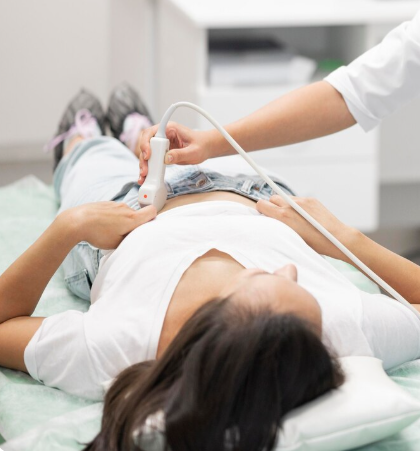
Treatment Overview
CO₂ Fractional Laser Vaginal Rejuvenation is a minimally invasive, non-surgical procedure that uses controlled fractional CO₂ laser energy to gently heat and ablate micro-columns of the vaginal mucosa. This stimulates collagen remodeling, elastin regeneration, and neovascularization within the vaginal wall and peri-urethral tissues.
In Korea, this technology is widely used in pelvic-floor and uro-gynecology clinics to address symptoms of vaginal laxity, atrophy, and mild stress urinary incontinence. The laser improves tissue strength and elasticity, restoring vaginal wall firmness and urethral support. It is performed as an outpatient procedure, typically without anesthesia or downtime.
Purpose & Benefits
Purpose:
- Strengthen and rejuvenate vaginal and peri-urethral tissue to enhance support for the bladder neck.
- Stimulate natural collagen and elastin production to improve tissue tone.
- Reduce mild to moderate SUI by improving urethral closure and vaginal elasticity.
- Address symptoms of vaginal dryness, atrophy, and laxity in peri- and post-menopausal women.
Benefits:
- Non-surgical, painless, and quick (15–30 minutes per session).
- Improves both urinary control and sexual wellness.
- No general anesthesia or hospital stay required.
- Short recovery period and minimal side effects.
- Suitable for women who prefer non-invasive functional and aesthetic improvement.
- Combines medical benefits (incontinence relief) with intimate wellness enhancement.
Ideal Candidates
Ideal candidates include:
- Women with mild to moderate stress urinary incontinence (leakage during coughing, sneezing, or exercise).
- Postpartum women experiencing vaginal laxity or reduced tissue tone.
- Perimenopausal or postmenopausal women with vaginal dryness, atrophy, or thinning mucosa.
- Women desiring both functional (continence) and cosmetic (tightening) improvement.
- Patients seeking non-surgical alternatives before considering invasive pelvic repairs.
- Individuals medically fit without active vaginal infection, malignancy, or pregnancy.
Possible Risks & Complications
CO₂ laser vaginal rejuvenation is considered very safe when performed by certified professionals, though potential risks include:
- Temporary redness, mild swelling, or heat sensation in the treated area.
- Light spotting or watery discharge for several days post-treatment.
- Rare superficial burns or irritation if energy settings are too high.
- Temporary increased sensitivity or dryness.
- Ineffectiveness in severe pelvic-floor damage or prolapse requiring surgical repair.
- Maintenance sessions may be required to sustain long-term benefits.
Overall, complications are rare, and most patients experience rapid recovery with minimal discomfort.
Techniques Used
Korean clinics employ fractional CO₂ laser systems specifically designed for gynecologic applications. The device emits microscopic laser beams in a fractional pattern, creating controlled micro-injuries that trigger the body’s natural healing and collagen synthesis.
Key approaches include:
- Intravaginal Laser Treatment: Fractional laser probe inserted into the vaginal canal to target internal mucosal walls and peri-urethral support zones.
- External Laser Rejuvenation: Applied to vulvar or labial tissue for tightening and rejuvenation.
- Hybrid Treatment Protocols: Combination of CO₂ laser with radiofrequency (RF) or HIFU tightening for enhanced results.
- Customized Parameters: Energy settings adjusted based on vaginal depth, wall thickness, and patient’s symptom severity.
Korean uro-gynecology centers often integrate this with pelvic-floor muscle assessment, biofeedback, or EMS therapy for comprehensive rehabilitation.
Recovery & Aftercare
Recovery:
- No downtime; patients can resume normal activities immediately.
- Mild sensitivity or discharge may persist for 1–3 days.
- Sexual intercourse and tampon use should be avoided for about 3–5 days.
Aftercare:
- Follow all clinic instructions for hygiene and moisturization.
- Maintain hydration and use prescribed soothing gels or vaginal moisturizers.
- Attend follow-up sessions as recommended (usually 2–3 sessions spaced a few weeks apart).
- Continue pelvic-floor exercises to enhance long-term strength and results.
- Avoid hot baths or saunas for several days after treatment.
Results & Longevity
Results:
- Noticeable improvement in vaginal tightness, tone, and moisture typically appears within 2–4 weeks after the first session.
- Many patients report reduced urinary leakage and improved bladder control after completing a full treatment course.
- Enhanced lubrication and sensitivity improve sexual comfort and satisfaction.
Longevity:
- Results last approximately 12–18 months, depending on age, hormonal status, and lifestyle.
- Maintenance sessions (once or twice a year) are recommended to sustain collagen renewal and tissue strength.
- Continued pelvic-floor training and healthy lifestyle habits extend results further.
Treatment Process in Korea
Why Korea is a Top Destination:
- South Korea is internationally recognized for pioneering intimate-health laser technology and advanced uro-gynecology care.
- Clinics combine functional pelvic-floor therapy with aesthetic gynecology, providing a holistic approach.
- Use of the latest CO₂ fractional laser systems developed in Korea ensures safety, precision, and comfort.
- High regulatory standards, expert gynecologists, and exceptional clinical hygiene make Korean facilities globally trusted.
- Bilingual staff, medical-tourism coordination, and privacy-focused care attract patients from abroad.
Typical Process:
- Consultation: Evaluation by a certified OB/GYN or uro-gynecologist; pelvic exam and discussion of goals.
- Preparation: The area is cleaned, and a topical anesthetic may be applied for comfort.
- Treatment: The CO₂ laser probe delivers micro-fractional energy pulses inside the vaginal canal in a rotating pattern. The process takes 15–30 minutes.
- Post-Treatment Care: The patient can leave immediately; mild discharge may occur for a few days.
- Follow-Up: Recommended 2–3 sessions spaced 4–6 weeks apart for optimal collagen remodeling.
- Maintenance: Annual touch-up treatments maintain long-term tightening and SUI improvement.
Unique Korean Methods & Technology:
- Integration of fractional CO₂ with advanced scanning patterns for even energy delivery.
- Combination treatments with RF or HIFU for deeper tissue remodeling.
- Personalized energy mapping guided by pelvic ultrasound or vaginal elasticity testing.
- Incorporation of collagen-boosting topical serums post-procedure for enhanced healing.
Cost Range (Details)
- Single Session: ₩ 400,000 – 1,200,000 KRW (≈ US $300 – $900).
- Full Treatment Course (3 Sessions): ₩ 1,200,000 – 2,500,000 KRW (≈ US $900 – $1,900).
- Comprehensive Pelvic-Floor Rehabilitation Packages: ₩ 2,000,000 – 4,000,000 KRW (≈ US $1,500 – $3,000) including CO₂ laser, EMS, and biofeedback therapies.
- Diagnostic add-ons such as pelvic ultrasound or vaginal elasticity testing may cost an additional ₩ 200,000 – 400,000 KRW (≈ US $150 – $300).
Prices vary based on device brand, clinic location, and physician expertise but remain cost-effective compared to Western markets.
Popular Clinics in Korea
- Leading women’s hospitals in Seoul specializing in CO₂ laser vaginal rejuvenation and pelvic-floor restoration.
- Gangnam-based OBGYN centers combining laser rejuvenation with RF and EMS therapies.
- Premium uro-gynecology clinics offering comprehensive SUI and intimate-health programs for international patients.
- Postpartum rehabilitation and wellness centers focusing on vaginal laxity and urinary incontinence recovery.
- Women-exclusive laser clinics emphasizing privacy, safety, and functional-aesthetic results.


